Archive · 2 Jan 2026
10-Minute Delivery Debate Heats Up

The 10-minute delivery promise in India's quick-commerce sector is not just a labor issue but a bigger problem about how markets compete.
Right now, companies race to deliver faster, which hurts workers.
The article says this isn't just about paying workers more.
It's about whether a market that rewards extreme speed is fair.
In the US and Europe, regulators have tried different ways to make this fairer, like setting pay rules or controlling how companies use technology.
India needs to think about these bigger questions too, not just worker rights, but how the market itself is designed.
Meanwhile, gig workers protested against poor pay and working conditions, and the debate continues on whether 10-minute deliveries are necessary or if longer delivery times could balance safety and environmental risks.

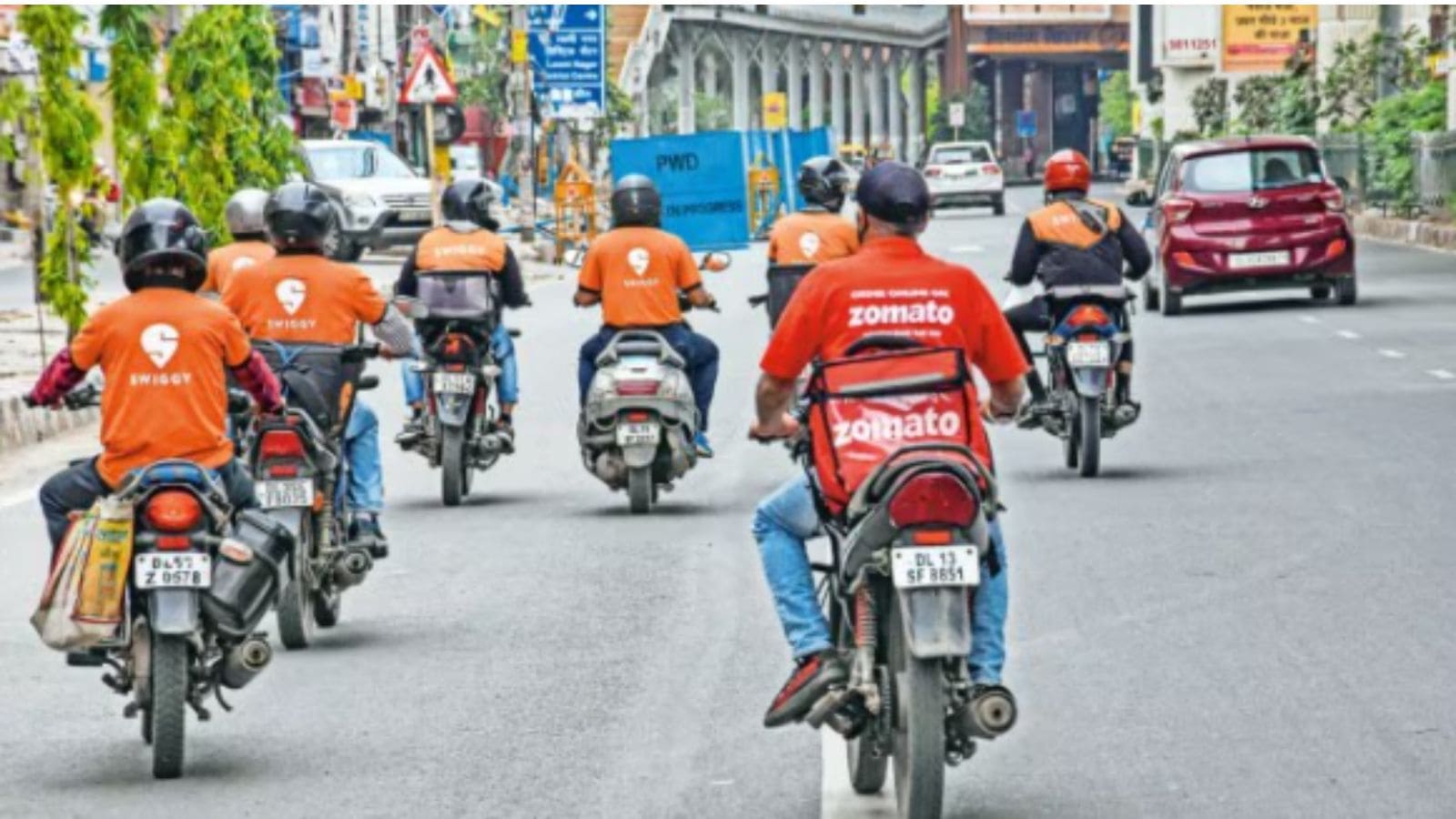
India's quick-commerce sector competes primarily on 10-minute delivery times, raising concerns about market structure and worker conditions.
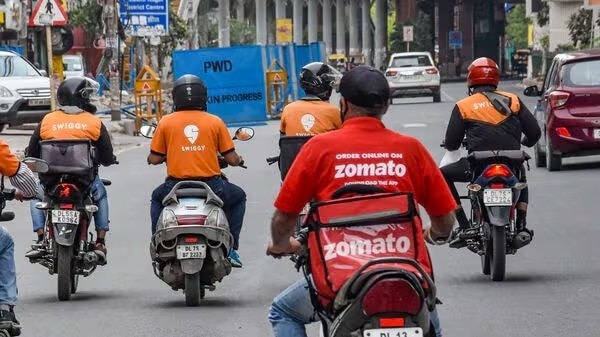
Former Jet Airways CEO Sanjiv Kapoor questioned the necessity of 10-minute deliveries, suggesting longer delivery times could balance safety and environmental risks.
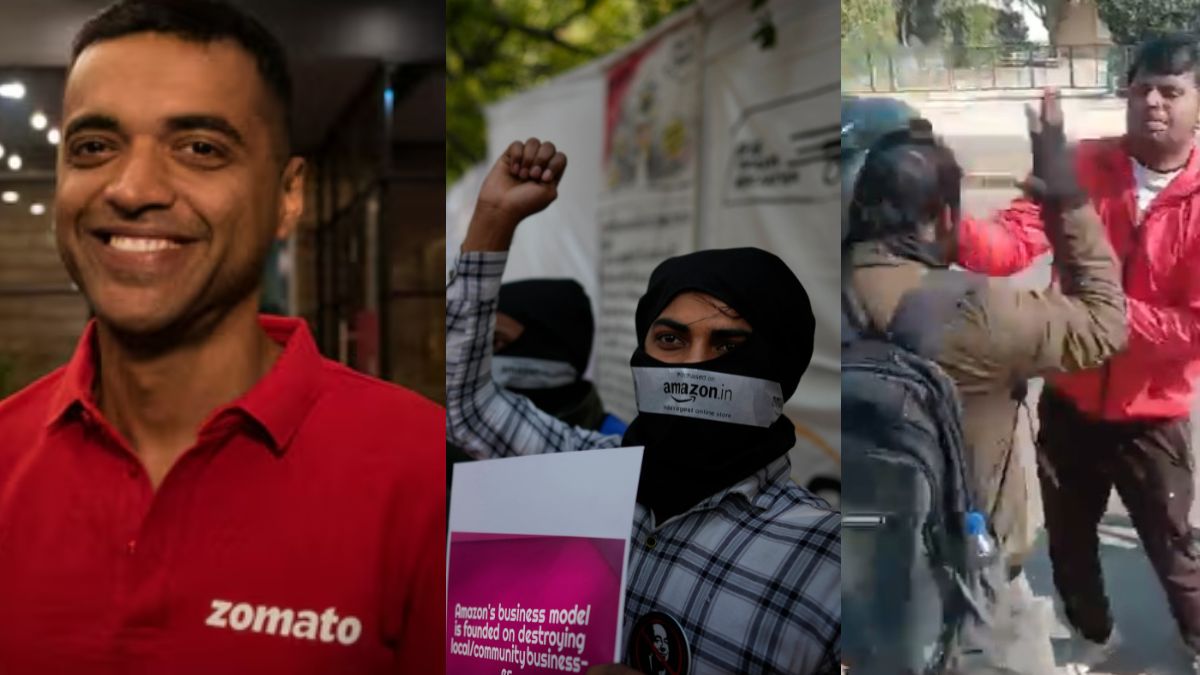
Zomato's Deepinder Goyal defended the 10-minute delivery model, attributing it to the density of stores and not the speed of delivery partners.
Gig workers protested against poor pay, lack of social security benefits, and working conditions, with Zomato reporting a 65% annual attrition rate among delivery partners.
Goyal clarified that delivery partners are not penalized for late deliveries and are provided with medical and life insurance.
- Who
- India's quick-commerce sector, gig workers, regulators, and former Jet Airways CEO Sanjiv Kapoor
- What
- The 10-minute delivery model and its implications, including worker protests and debates on market structure
- When
- Present and future regulatory considerations, with recent protests on New Year's Eve
- Where
- India, with references to US and EU regulatory approaches
- Why
- To evaluate the legitimacy and sustainability of the 10-minute delivery model and address worker concerns
- Sector
- Quick-commerce
- Competitive Standard
- 10-minute delivery
- Primary Issue
- Market structure built around extreme speed
- Current Debate Focus
- Labour laws and worker conditions
- Underlying Problem
- Efficiency evaluation in competition law
- Regulatory Approach in US
- Minimum pay standards, internalizing costs
- Regulatory Approach in EU
- Focus on algorithmic management
- Author's Suggestion
- Scrutiny at market design level
- Delivery Partner Insurance
- Medical and life insurance provided
- Annual Attrition Rate
- 65%
- Delivery Partner Speed
- Average 15 kmph
- Delivery Partner Incentives
- No penalties for late deliveries
- Strike Participation
- 0.1% miscreants causing trouble
- New Year's Eve Orders
- 75 lakh orders delivered
Sources
Rethinking speed: ‘10-Minute Delivery’ is more than a labour law problem

"Delivery Agents Don't Have Timer": Zomato CEO Explains 10-Minute Model

Do we really need 10-minute deliveries? Ex-Jet Airways CEO asks Zomato's Deepinder Goyal
‘At the cost of stress, safety...’: Former Jet Airways CEO Sanjiv Kapoor questions 10 min delivery culture

‘Gig economy doesn’t need more regulation’: Zomato’s Deepinder Goyal on delivery agents’ strike
Gig workers’ strike: In X post, Deepinder Goyal counters ‘agents of political interests’ (proof attached)