

Archive · 10 Oct 2026
Report Says US Administrations Sidelined Tibet for China Relations
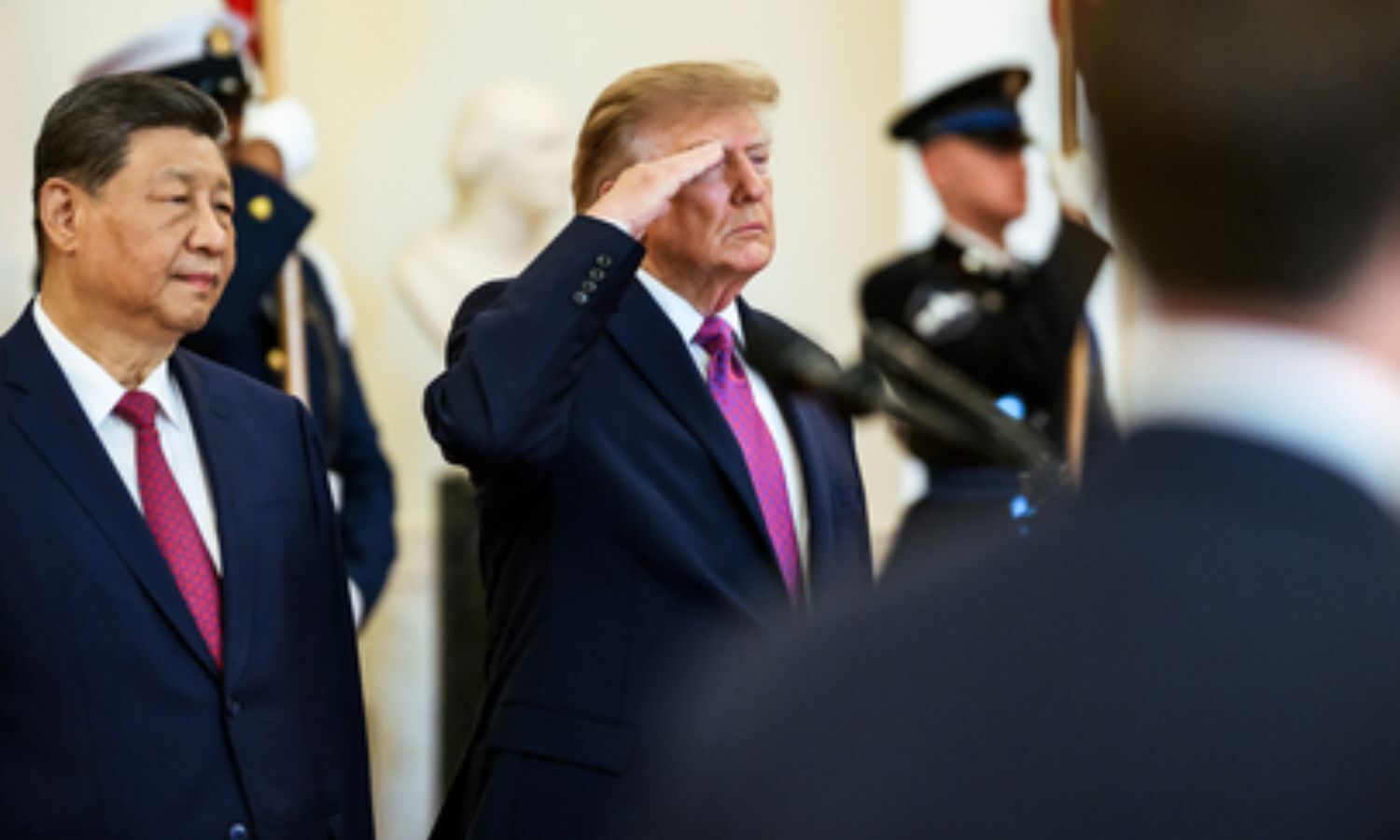
A report says the United States put its relationship with China ahead of speaking up for Tibet.
It connects this change to President Richard Nixon’s 1972 visit to China.
The report argues that later US presidents, from both major parties, mostly continued this approach.
It says leaders worried that raising Tibet could harm trade and other cooperation with China.
The report says the United States sometimes made symbolic gestures, such as meetings with the Dalai Lama.
But it argues that these gestures did not create much pressure on Beijing.
It also raises concerns about Tibetan culture, the environment and Tibet’s political status.
These are the report’s arguments, rather than a response from US or Chinese officials.

A report in The Tibet Express argues Nixon’s 1972 opening to China sidelined Tibet in US diplomacy.
Khedroob Thondup says US administrations of both parties have generally avoided challenging Beijing over Tibet.
The report says trade and broader strategic cooperation with China took priority over Tibetan autonomy.
It describes US engagement on Tibet as largely symbolic, citing occasional Dalai Lama meetings, congressional resolutions and human rights reports.
The report warns that cultural, environmental and diplomatic issues in Tibet have received insufficient international pressure.
- Who
- Khedroob Thondup, writing in The Tibet Express, criticizes successive US administrations’ approach to Tibet.
- What
- The report argues that US administrations prioritized geopolitical and economic ties with China over challenging Beijing on Tibet.
- When
- The account focuses on the period since Richard Nixon’s 1972 visit to China.
- Where
- Tibet and US–China relations.
- Why
- According to the report, Washington sought to protect trade and broader strategic cooperation with Beijing.
- Publication
- The Tibet Express
- Author cited
- Khedroob Thondup, identified in the article as the nephew of the 14th Dalai Lama
- Key historical event
- Richard Nixon’s visit to Beijing in 1972
- Report’s central argument
- US administrations have generally put broader relations with China ahead of substantive pressure over Tibet.
- US actions described
- Occasional meetings with the Dalai Lama, congressional resolutions and human rights reports
- Issues raised
- Tibetan autonomy, cultural and religious policies, environmental projects, and diplomatic isolation
- Water claim
- The report says Tibet’s rivers sustain nearly two billion people.