

Archive · 7 Dec 2025
Owaisi and Kabir Criticize Ayodhya Verdict

Asaduddin Owaisi, a political leader, criticized Prime Minister Narendra Modi for saying that old wounds were healing in Ayodhya.
Owaisi said that the Supreme Court had ruled that there was no proof that a temple was demolished to build the Babri Masjid.
He called December 6 a Black Day because the mosque was demolished on that day in 1992.
He also mentioned that the court verdict was based on faith and that the country belongs to all religions.
PM Modi had recently hoisted a flag at the Ram temple in Ayodhya, saying that a 500-year-old resolve had been fulfilled.
Meanwhile, Humayun Kabir, a suspended Trinamool Congress legislator, laid the foundation stone for a mosque in Murshidabad on December 6, the same day Ambedkar's Mahaparinirvan Diwas is observed.
Kabir claimed he was exercising his constitutional right and suggested that the state government supported him.
He invoked the Supreme Court's 2019 Ayodhya verdict, claiming it acknowledged the demolition of the Babri Masjid and did not bar the construction of a mosque elsewhere.
Kabir's actions are seen as a political provocation aimed at mobilizing Muslim voters ahead of the West Bengal Assembly elections.
He is in talks with Asaduddin Owaisi for a coalition in the state in next year’s Assembly polls.

Asaduddin Owaisi criticized PM Modi's comments about healing centuries-old wounds in Ayodhya.
Owaisi cited the Supreme Court's verdict that there is no evidence the Babri Masjid was built by demolishing a temple.
Humayun Kabir laid the foundation stone for a mosque in Murshidabad on December 6, invoking the Supreme Court's Ayodhya verdict.
Kabir is in talks with Asaduddin Owaisi for a coalition in the West Bengal Assembly elections.
PM Modi hoisted a saffron flag at the Ram temple, stating that a 500-year-old resolve had been fulfilled.
- Who
- Asaduddin Owaisi, Humayun Kabir, Prime Minister Narendra Modi
- What
- Criticism of PM Modi's comments on Ayodhya and foundation stone laying for a mosque
- When
- December 6
- Where
- Hyderabad, Murshidabad, Ayodhya
- Why
- Disagreement over the historical and legal aspects of the Ayodhya verdict and political mobilisation ahead of elections
Asaduddin Owaisi and Humayun Kabir
Prime Minister Narendra Modi and BJP
Historical and Legal Aspects of Ayodhya Verdict
Asaduddin Owaisi and Humayun Kabir
Owaisi and Kabir argue that the Supreme Court's verdict was based on faith and that the demolition of the Babri Masjid was acknowledged, allowing for the construction of a mosque elsewhere.
Prime Minister Narendra Modi and BJP
PM Modi and the BJP view the construction of the Ram Temple as the fulfillment of a 500-year-old resolve and a closure to the historical dispute.
Political Intentions and Timing
Asaduddin Owaisi and Humayun Kabir
Kabir's foundation-laying ceremony for a Babri Mosque-like structure is seen as a political provocation aimed at mobilizing Muslim voters ahead of the West Bengal Assembly elections.
Prime Minister Narendra Modi and BJP
The BJP and PM Modi's actions are framed as fulfilling a historical and cultural promise to the Hindu community.
- Event
- Criticism of PM Modi's Ayodhya comments and foundation stone laying for a mosque
- Date
- December 6
- Speakers
- Asaduddin Owaisi, Humayun Kabir, Prime Minister Narendra Modi
- Location
- Hyderabad, Murshidabad, Ayodhya
- Issue
- Babri Masjid demolition and Ayodhya verdict
- Court Verdict
- Acknowledged the demolition of the Babri Masjid and allowed the construction of a Ram Temple
- PM's Action
- Hoisted saffron flag at Ram temple
- Owaisi's Claim
- December 6 is a Black Day
- Kabir's Action
- Laid foundation stone for a mosque, plans for coalition with AIMIM
Sources
Owaisi takes exception to PM Modi’s ‘centuries-old wounds healing’ comments

Constitution Wounded On Dec. 6: Owaisi
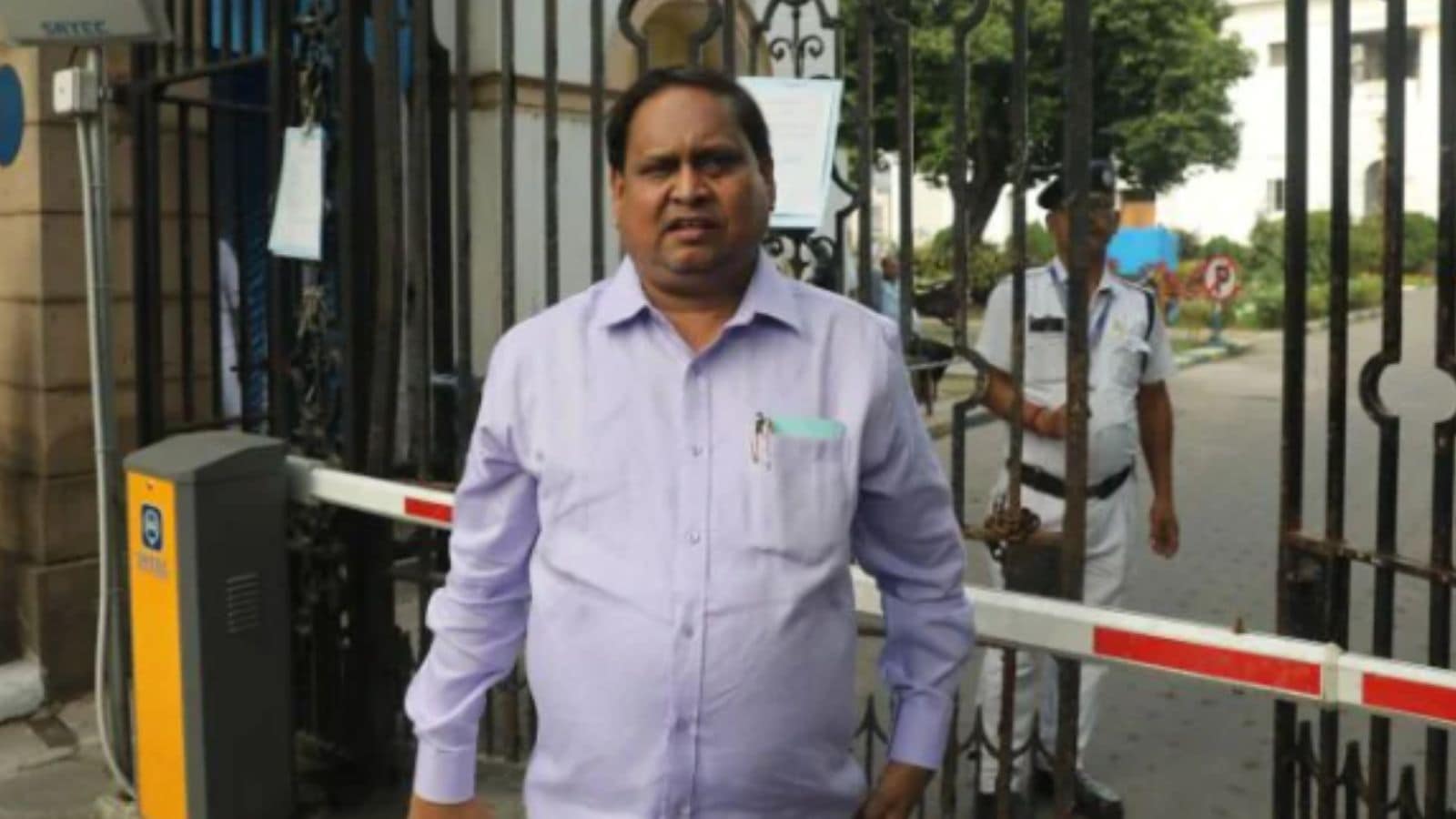
‘Spoken to Owaisi’ for tie-up in Assembly polls’: After laying ‘Babri’ stone in Murshidabad, suspended TMC MLA Humayun Kabir says ready to fight TMC and BJP
