

Archive · 10 Nov 2025
Nitish Kumar's Prohibition Policy Divides Bihar Along Gender, Class Lines
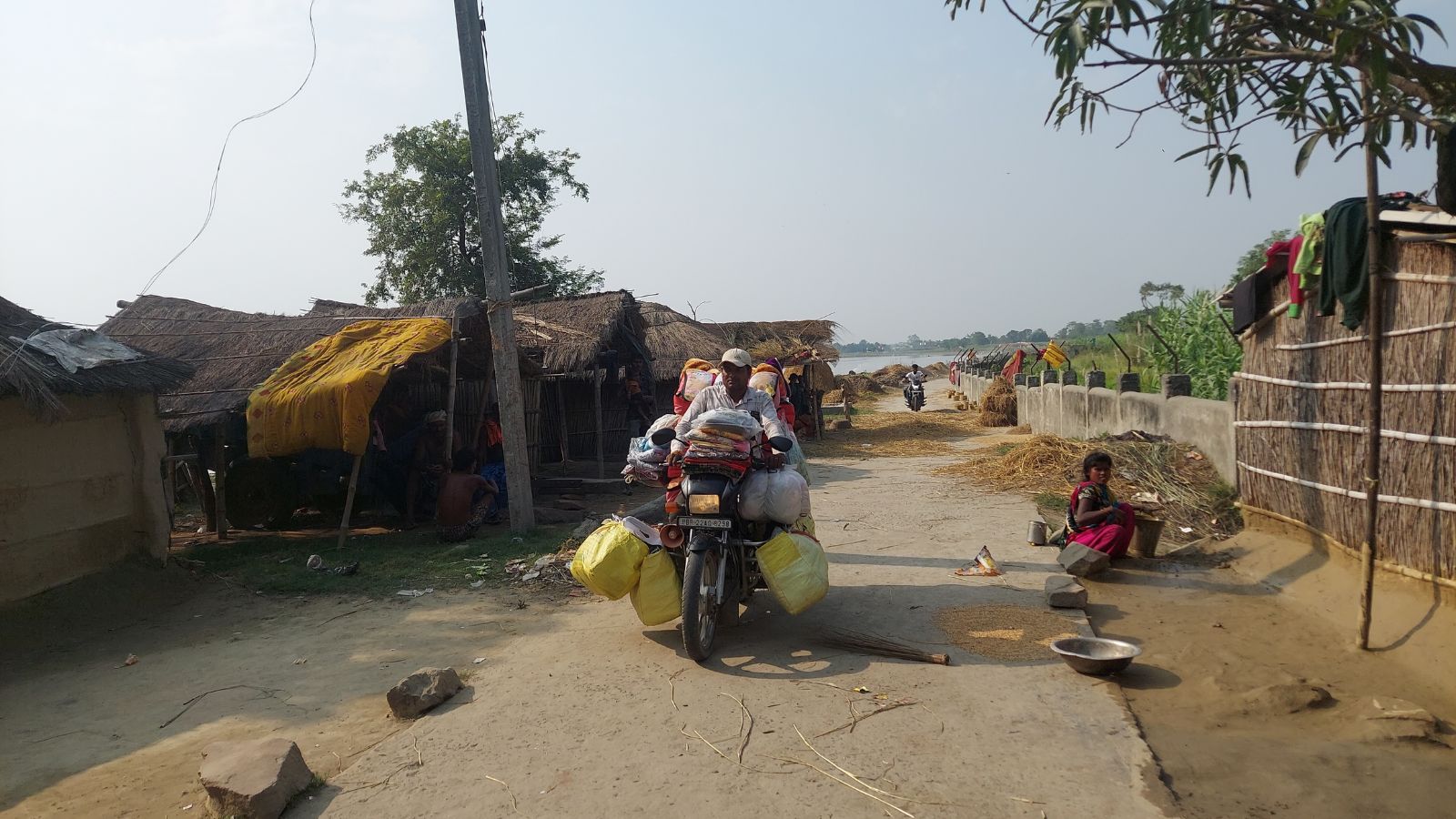
Imagine a rule in Bihar, India, that says no one can buy or sell alcohol.
This rule was made by Chief Minister Nitish Kumar a few years ago.
Now, during an election, everyone is talking about it.
Many women think it's a great idea because when men don't drink, they come home peacefully and use their money for the family instead of on alcohol.
However, many men disagree.
They say that even though alcohol is banned, it's still available, but now it costs much more.
They also say that many poor people end up in jail for drinking.
Some politicians want to remove the ban, while others want to keep it.
So, this one rule is causing big disagreements among people, families, and political groups in Bihar.

Bihar's prohibition policy, implemented in 2016, is a deeply divisive issue during the current election campaign.
Women largely support the ban, citing reduced domestic violence and improved household finances.
Men often oppose the ban, arguing that liquor remains available at higher prices and that the poor bear the brunt of enforcement.
The policy has led to a loss of state revenue and the rise of a black market.
Prohibition is splitting opinions along gender, caste, and party lines, impacting Nitish Kumar's campaign.
- Who
- Chief Minister Nitish Kumar, men and women across various castes and economic strata in Bihar, political parties
- What
- Bihar's prohibition policy, enforced since 2016, has become a highly polarizing issue, sharply dividing opinions and voters, particularly along gender lines.
- When
- During the Bihar election campaign, with the policy having been in effect since 2016.
- Where
- Across Bihar, with specific examples from villages like Rewa (Muzaffarpur), Hussainganj (Siwan), Basudeva (Gopalganj), and Musahar Tola (West Champaran).
- Why
- The policy is debated due to its social benefits (reduced domestic violence, improved finances) versus its economic drawbacks (lost revenue, black market) and enforcement issues (jails full of the poor, smuggling, police misuse), leading to deep divisions within families, castes, and political parties.
Arguments for Lifting Prohibition
Arguments for Maintaining Prohibition
Availability and Cost of Alcohol
Arguments for Lifting Prohibition
Liquor is still available but more expensive, with only the poor facing legal consequences.
Arguments for Maintaining Prohibition
While some illegal liquor is still available, the ban is better than before, and there's now a fear of the law, reducing the younger generation's habit.
Economic Impact
Arguments for Lifting Prohibition
The state has lost significant revenue, and a black market has flourished, benefiting smugglers and potentially corrupt police.
Arguments for Maintaining Prohibition
Socially, the ban has curbed domestic violence and improved household finances, bringing peace to homes.
Enforcement and Justice
Arguments for Lifting Prohibition
Jails are filled with poor individuals caught for drinking, and police misuse and rampant smuggling are issues.
Arguments for Maintaining Prohibition
Despite its enforcement issues, the policy has been seen as a positive step by women, reducing household quarrels and enhancing 'ghar ki shanti'.
- Policy Name
- Bihar Prohibition Policy
- Enforcement Start Date
- 2016
- Key Supporters
- Women across castes
- Key Opponents
- Men across castes, some political parties (CPI(ML)L, Jan Suraaj)
- Economic Impact
- Loss of excise revenue, flourishing black market
- Social Impact
- Reduced domestic violence, improved household finances, restored 'ghar ki shanti' (home peace) according to women