

Archive · 30 Sep 2025
Ancient Shaktism Tradition Rooted in Telangana History
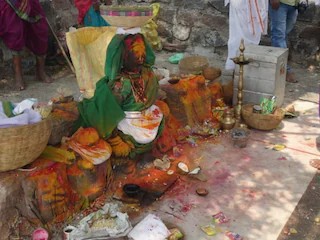
Imagine a very old tradition, like a family recipe passed down for thousands of years.
In Telangana, people have been worshipping goddesses since ancient times.
These goddesses, like Attagaamini and Jogulamba, are connected to ideas like fertility and good fortune.
People built temples and created special sculptures, some with flowers instead of heads.
This worship has shaped the region's culture, with names of places reflecting their devotion.
Even visitors from long ago wrote about these traditions, which are still alive today.
The Telangana government works to preserve these ancient temples and statues for everyone to see.

Shaktism worship in Telangana dates back to the 5th century BCE.
The goddess Attagaamini is mentioned in Buddhist texts.
Local Gond tribals still worship Attagāmini as Padmalpuri Kako.
Idols of goddesses like Lajjagauri and Jogulamba have been found across the state.
The Telangana heritage department is preserving ancient sculptures and idols.
- Who
- Devotees of Shaktism
- What
- Historical presence and worship of the goddess in Telangana.
- When
- References dating back to the 5th century BCE.
- Where
- Telangana, specifically locations like Alampur, Mancherial, and Keesaragutta.
- Why
- To understand the ancient religious traditions and cultural identity of the region.
- Primary Focus
- Shaktism in Telangana
- Earliest Reference
- 5th century BCE
- Early Goddess Mentioned
- Attagaamini
- Important Locations
- Alampur, Mancherial district, Keesaragutta
- Sculptures Preserved
- 7th-century CE Mahishasuramardhini idols