

Archive · 30 Sep 2025
IPS Officer Explores Gen-Z Activism, Adapting to Digital Protests
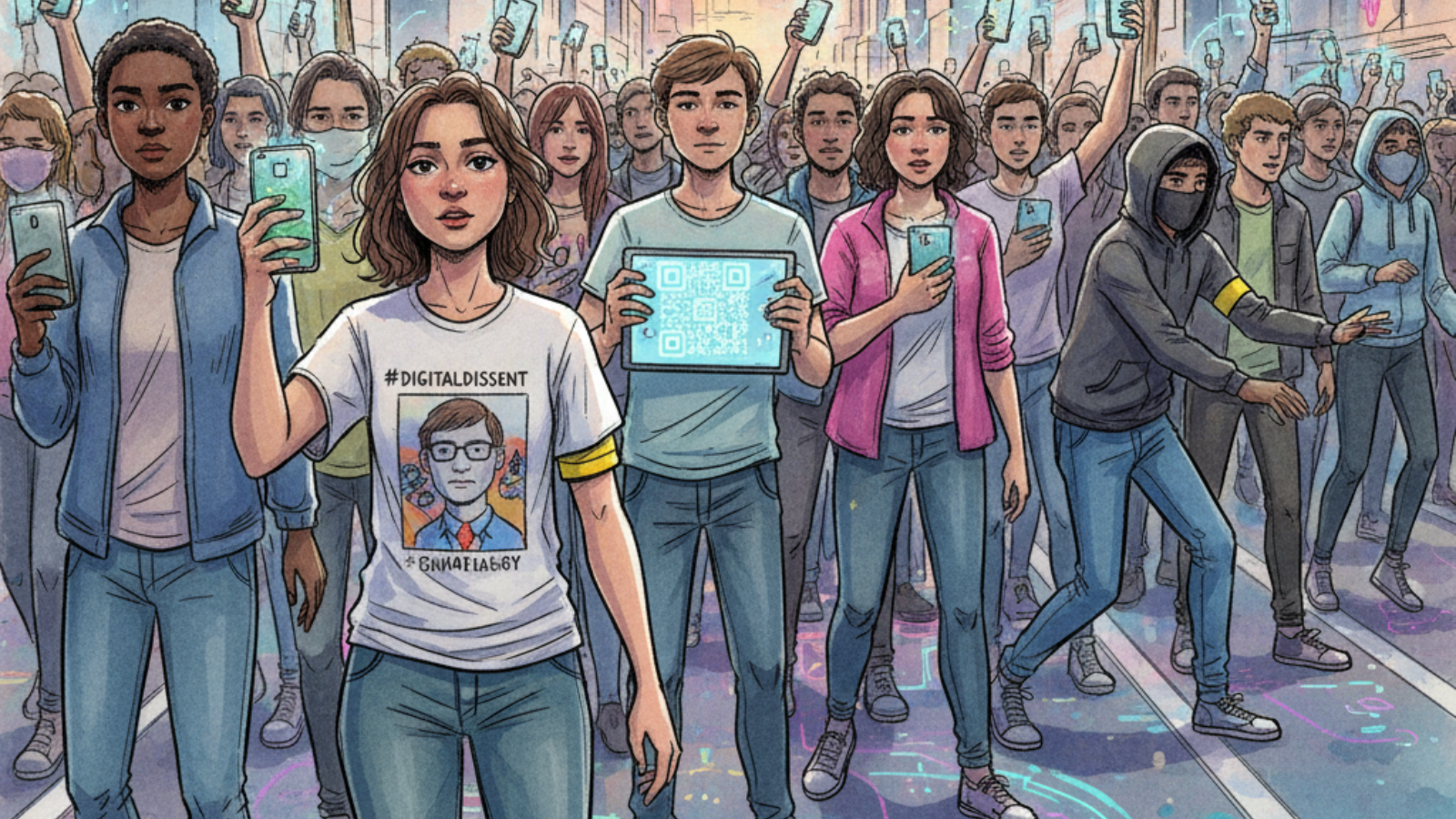
Gen-Z, today's young adults, are changing how people protest, using smartphones and social media to organize quickly.
They value being genuine and fast-paced over traditional methods.
This new kind of protest can bring about big changes but also be vulnerable to being taken over by those who want to cause trouble.
Older generations help support Gen-Z, while younger generations amplify their message.
Protests now spread rapidly online and in real life, happening at the same time.
Authorities need to learn how to manage these new types of protests, making sure to separate peaceful protesters from those causing violence.
These protests are able to influence government action.

Gen-Z activists use networks, not committees, prioritizing authenticity and speed.
Digital tools compress mobilization from weeks to hours, changing protest dynamics.
Older generations offer support, while younger generations amplify Gen-Z causes.
Protests blend online and offline actions, with rapid spread and impact.
Authorities must adapt to the changing nature of digitally-driven protests to maintain order.
- Who
- O P Singh, a Haryana IPS officer, analyzes Gen-Z activists.
- What
- The article explores how Gen-Z activism functions, its impact, and necessary adaptations.
- When
- The article discusses current trends in youth activism.
- Where
- The context is global, with examples from various locations.
- Why
- To understand and adapt to the evolving dynamics of digital age protests.
- Author
- O P Singh (Haryana IPS officer)
- Book Title
- Why We Gather: Crowds, Smartphones and The Future of Democracy
- Focus
- Gen-Z activism and its impact
- Gen-Z Traits
- Networked, authentic, values speed
- Key Issue
- Adapting to the changing nature of protest