

Archive · 7 Oct 2026
RBI Raises Repo Rate to 5.50% as Inflation Risks Grow

India’s central bank has made its main interest rate higher, raising it from 5.25% to 5.50%.
This is the first increase since February 2023.
The committee that sets the rate voted together to approve the hike.
It also moved its policy stance toward tightening, though reports differ on the vote for that change.
The RBI is concerned that oil, food and other prices could keep rising.
A weaker rupee, weather problems and tighter financial conditions around the world add to those concerns.
The Governor said a rate cut is unlikely soon, and the next move could be another increase or no change.
Higher rates can make borrowing more expensive, while the RBI also reported changes to how customers can share financial information through Account Aggregators.

On October 7, 2026, the RBI raised its repo rate by 25 basis points, from 5.25% to 5.50%—its first hike since February 2023.
The Monetary Policy Committee unanimously approved the rate increase and, by a reported 4-2 majority, shifted its stance to calibrated tightening.
The RBI cited inflation risks including higher oil and commodity prices, food-price pressures, unfavourable monsoon conditions, a weaker rupee and tighter global financial conditions.
The Governor indicated that a near-term rate cut is unlikely; the next policy move could be another hike or a pause.
One report said the RBI raised its FY27 growth forecast to 7.1% from 6.7% and its inflation forecast to 5.2% from 5%; the articles also reported new interoperability arrangements for NBFC Account Aggregators.
- Who
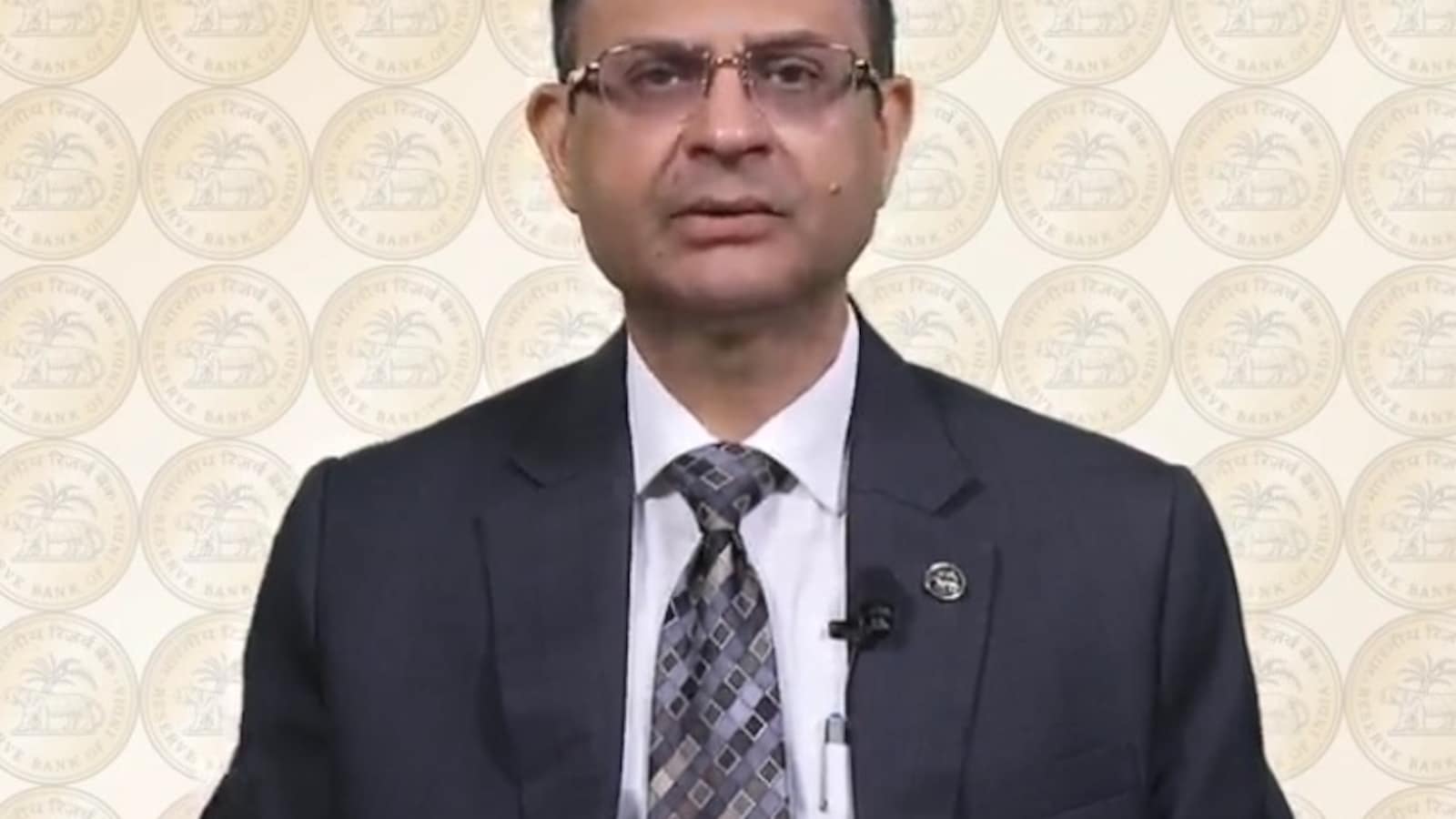
- The Reserve Bank of India’s Monetary Policy Committee, chaired by Governor Sanjay Malhotra.
- What
- Raised the repo rate by 25 basis points to 5.50% and changed its policy stance to calibrated tightening.
- When
- Wednesday, October 7, 2026.
- Where
- India.
- Why
- The RBI cited rising inflation risks, including higher oil and commodity prices, food-price pressures, unfavourable monsoon conditions, a weaker rupee and tighter global financial conditions.
Tighter policy
Pause and growth considerations
Whether further rate increases may be needed
Tighter policy
The RBI’s calibrated-tightening stance and cited inflation risks signal that another rate hike remains possible if price pressures persist.
Pause and growth considerations
The reported policy options also include a pause, while the RBI described domestic activity as resilient; the articles do not report a decision to raise rates again.
Inflation control versus borrowing costs
Tighter policy
The RBI raised rates to address inflation risks before they become entrenched.
Pause and growth considerations
Higher policy rates can raise borrowing costs for banks and may eventually increase rates and EMIs for borrowers.
- New repo rate
- 5.50%, up from 5.25%
- Rate increase
- 25 basis points
- Rate decision
- Approved unanimously by the MPC
- Policy stance
- Changed from neutral to calibrated tightening; reports say the stance change passed by majority, with one specifying 4-2
- Other policy rates
- Standing deposit facility rate: 5.25%; marginal standing facility rate and Bank Rate: 5.75%
- August CPI inflation
- Reported as 4.8% or 4.82%, depending on the article
- FY27 forecasts
- One article reported GDP growth forecast at 7.1%, up from 6.7%, and inflation forecast at 5.2%, up from 5%
- Account Aggregators
- The RBI enabled interoperability among NBFC Account Aggregators for sharing financial information with regulated entities
Sources

RBI MPC meeting October 2026: Repo rate hiked by 25 bps to 5.50%; growth, inflation forecast, other key takeaways
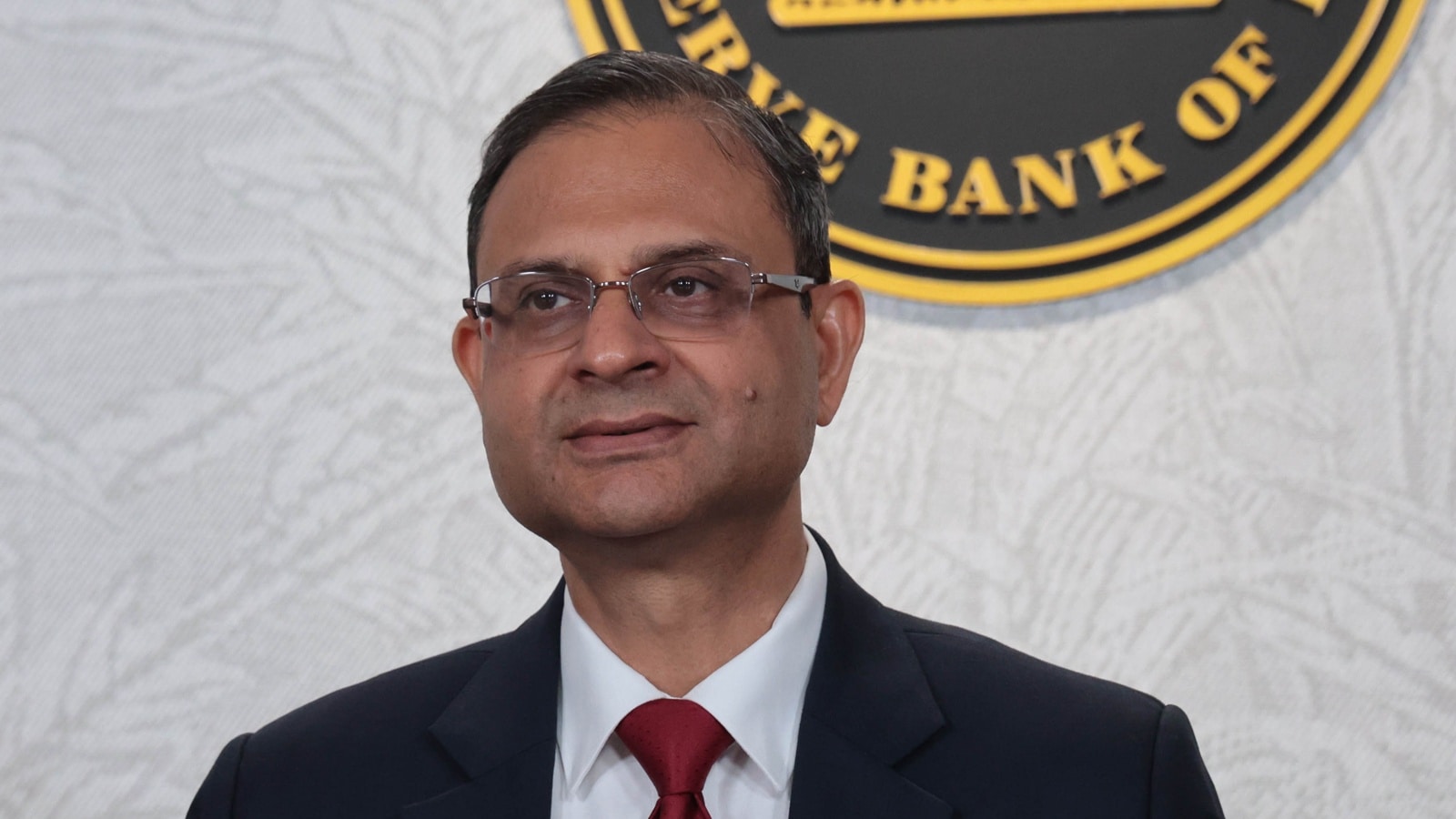
RBI raises repo rate to 5.5%, first hike since 2023
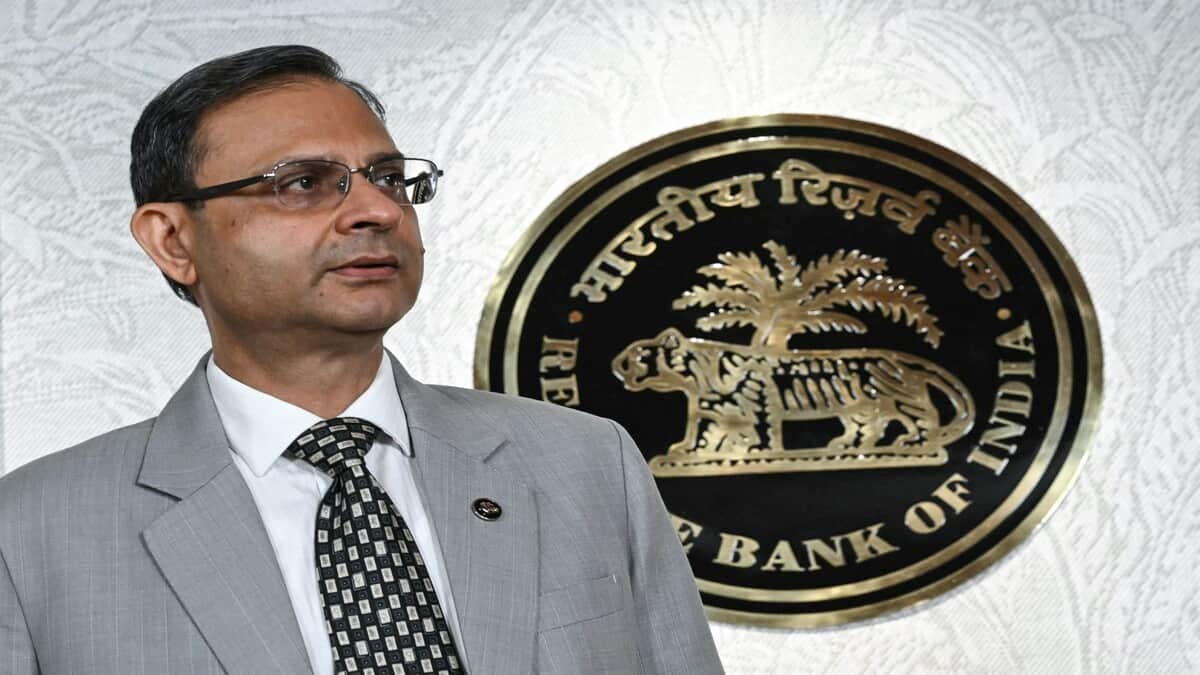
RBI hikes repo rate by 25 bps to 5.5% as inflation fight takes centre stage
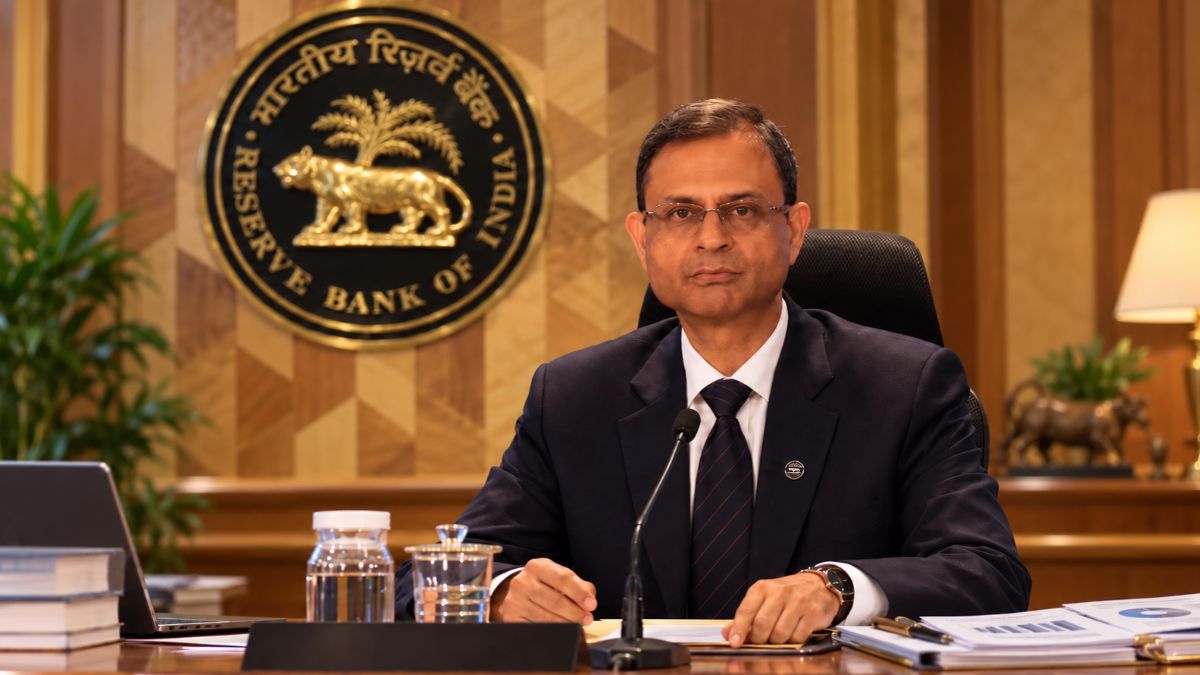
RBI MPC: First rate hike in 4 years to 40 bps GDP forecast boost, 7 key takeaways
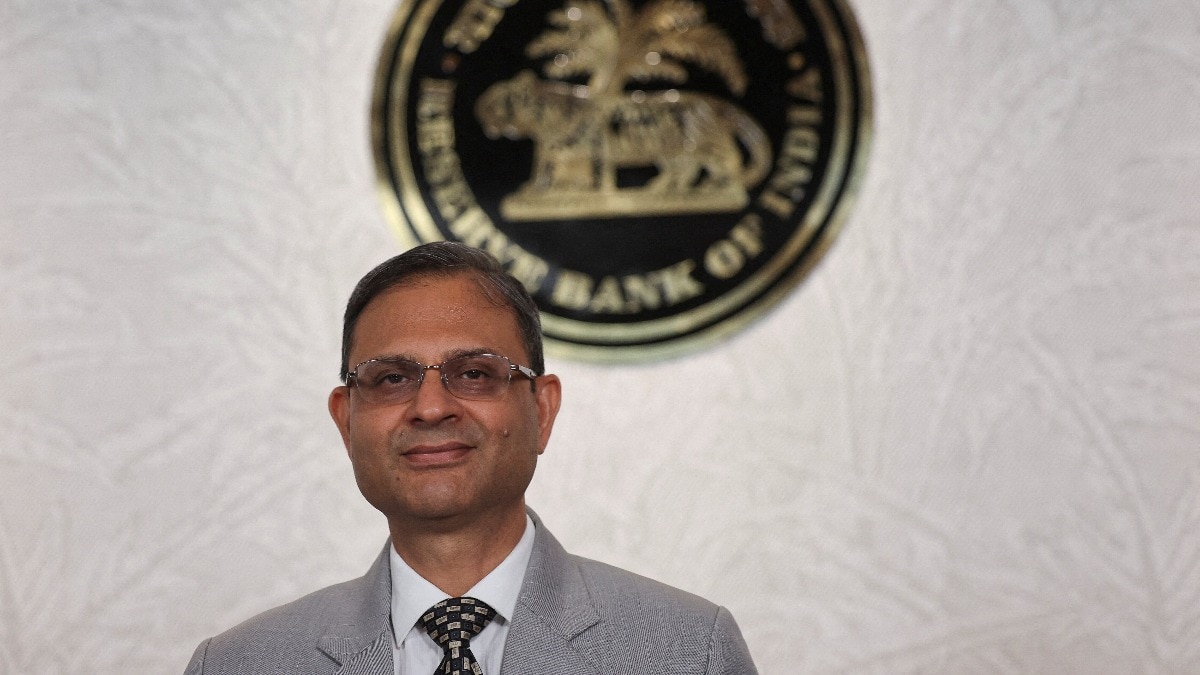
RBI MPC: Repo rate hiked by 25 bps to 5.5%, rate cut unlikely in near term
RBI Hikes Repo Rate By 25 Bps To 5.50%, Signals Shift To Calibrated Tightening
RBI Hikes Repo Rate By 25 Basis Points To 5.5% Amid Rising Inflation
RBI MPC Meeting Outcome Oct 2026: Most important parts of Governor speech you should not miss
