Archive · 20 Sep 2026
India Needs Fearless Civil Liberties Activists Amid Authoritarian Threats
Civil liberties groups try to protect people from unfair treatment and government abuse.
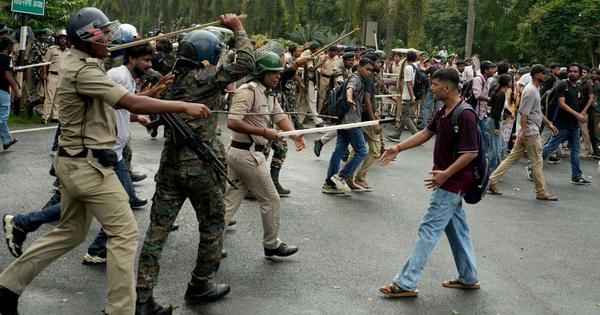
They investigate events such as police violence, prison problems, and attacks on minority communities.
Volunteers visit places where events happened and speak with people there.
They turn these accounts into reports that courts, journalists, and the public can examine.
The reports may show details missing from official explanations.
Some groups first focused mainly on violence by the State.
Women activists argued that violence in homes, including dowry deaths, should also be included.
The groups later accepted women’s rights as part of democratic rights.
The author says their work is especially important because he believes India is facing growing authoritarianism and majoritarianism.

The article reviews India’s civil liberties movement through Ankita Pandey’s book, Becoming Allies.
The Association for Protection of Democratic Rights emerged in Calcutta in the early 1970s, while the People’s Union for Democratic Rights has issued nearly 300 reports.
Fact-finding investigations document testimony, provide historical context, and identify inconsistencies in official police and administrative accounts.
Civil liberties groups operate through volunteers and face pressure from the State, social prejudice, and concerns about maintaining political independence.
The author argues that activists are increasingly important amid alleged police brutality, media apathy, judicial indifference, majoritarianism, and authoritarianism.
- Who
- Indian civil liberties organizations, activists, lawyers, journalists, academics, and volunteers, including the People’s Union for Democratic Rights and the Association for Protection of Democratic Rights.
- What
- The article examines the history, methods, internal debates, and continuing importance of India’s civil liberties movement.
- When
- The movement discussed developed from the early 1970s onward; the author focuses on its importance in the present context.
- Where
- India, including organizations operating in Delhi, West Bengal, Andhra Pradesh, and Maharashtra.
- Why
- The author says civil liberties activists are needed to document alleged State wrongdoing, challenge official accounts, and defend democratic rights.
Broader Civil Liberties Approach
State-Focused Approach
Scope of rights work
Broader Civil Liberties Approach
Women activists argued that domestic violence, dowry deaths, and women’s rights should be treated as democratic-rights issues.
State-Focused Approach
Some male activists initially argued that groups should focus exclusively on public violence committed by the State.
Political independence
Broader Civil Liberties Approach
Civil liberties groups should criticize State wrongdoing while remaining independent of all political parties.
State-Focused Approach
The article describes State hostility and political pressures as challenges, but does not present a defense of partisan alignment.
Official accounts
Broader Civil Liberties Approach
Fact-finding reports should challenge official narratives by documenting testimony, context, and inconsistencies.
State-Focused Approach
Official police and administrative records are described as technical, depersonalized, and sometimes containing gaps or fudged information.
- Book discussed
- Ankita Pandey’s Becoming Allies: Civil Liberties Activism in India
- Earliest organization
- The Calcutta-based Association for Protection of Democratic Rights took shape in the early 1970s.
- PUDR reports
- The People’s Union for Democratic Rights has published close to 300 reports, according to the article.
- Fact-finding method
- Groups send teams to conduct on-the-spot investigations and document testimony.
- Report functions
- Reports systematize testimony, add context, and expose gaps or inconsistencies in official records.
- Funding and structure
- The groups described are volunteer-driven and do not accept foreign or corporate funds.
- Internal debate
- Activists debated whether domestic violence and women’s rights belonged within the civil liberties framework.