

Archive · 28 Sep 2025
Experts Advise on Safely Breaking a Fast
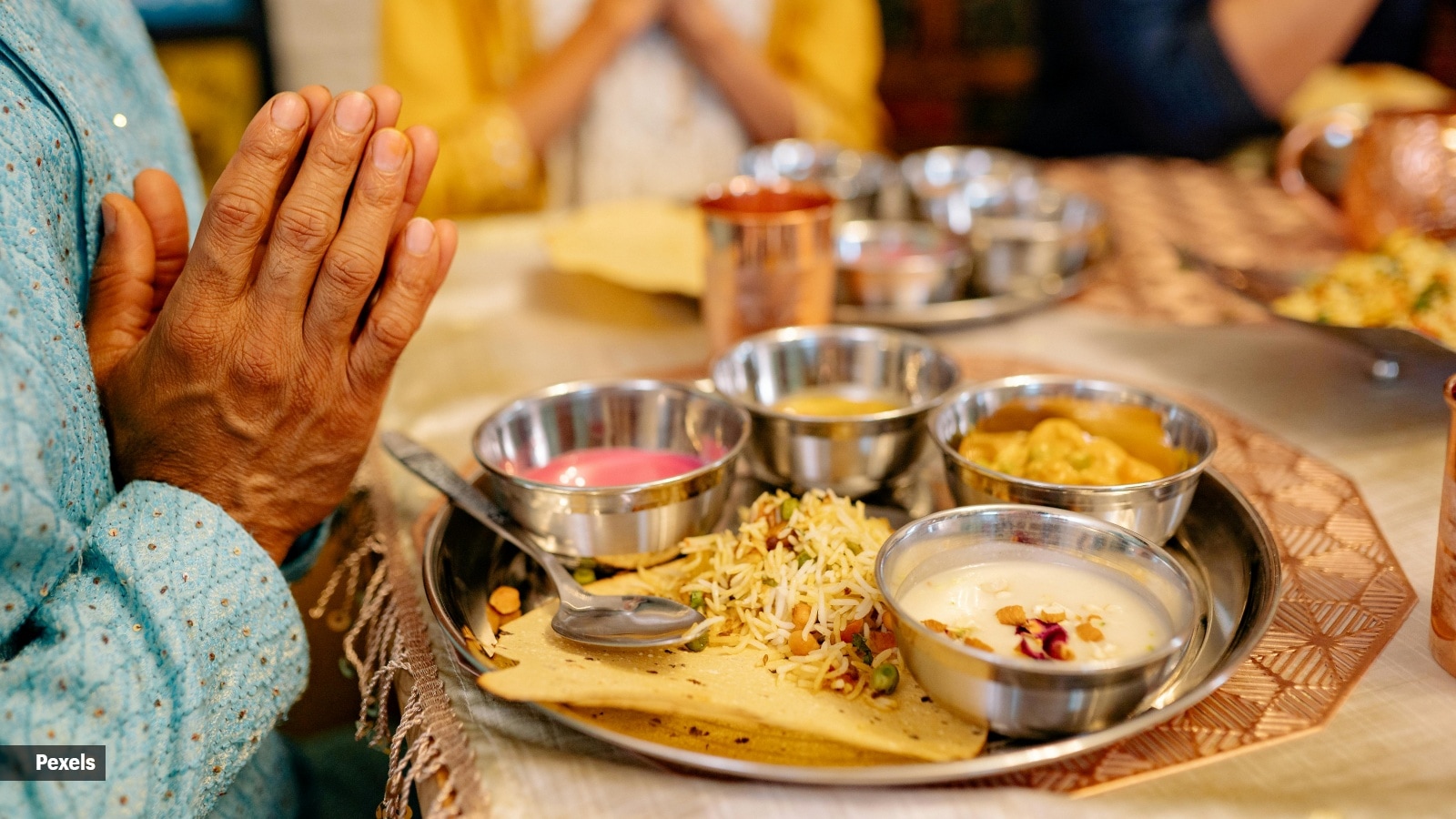
When you fast, your body gets a break from food.
The way you start eating again is important.
Experts say to eat slowly with foods that are easy to digest and won't make your blood sugar jump up.
Think of it like gently starting a car engine.
Avoid sugary foods, white bread, or big meals right away, as they can cause problems like bloating or feeling tired.
Instead, start with fluids, fruits, and things like boiled eggs.
If you have health issues like diabetes, be extra careful and choose foods that won't cause a sugar rush.

Experts emphasize that how you break a fast is as important as the fast itself.
Avoid sugary or starchy foods to prevent blood sugar spikes.
Recommended first foods include fluids, fruits, protein, healthy fats, and steamed vegetables.
Heavy meals post-fast can cause digestive issues and potential electrolyte imbalances.
People with health conditions should be extra cautious and follow specific dietary guidelines.
- Who
- Nutritionists, doctors and a biochemist.
- What
- Guidelines on how to break a fast safely.
- When
- After a period of fasting.
- Where
- N/A
- Why
- To avoid digestive issues and blood sugar fluctuations.
- Key Concern
- Avoiding blood sugar spikes and digestive distress.
- Recommended First Foods
- Fluids (water, broth), fruits (berries), protein (boiled egg), healthy fats (almonds), steamed vegetables.
- Foods to Avoid
- Sugary/starchy foods, white bread, pastries, sweetened drinks, heavy or spicy meals.
- Potential Risks
- Bloating, acid reflux, cramping, nausea, and electrolyte imbalances.
- Diabetic Precautions
- Avoid high-glycemic carbs, choose balanced options like moong dal khichdi, monitor blood sugar.