

Archive · 25 Jul 2026
Weaponisation of CCTVs: Surveillance and Privacy Concerns
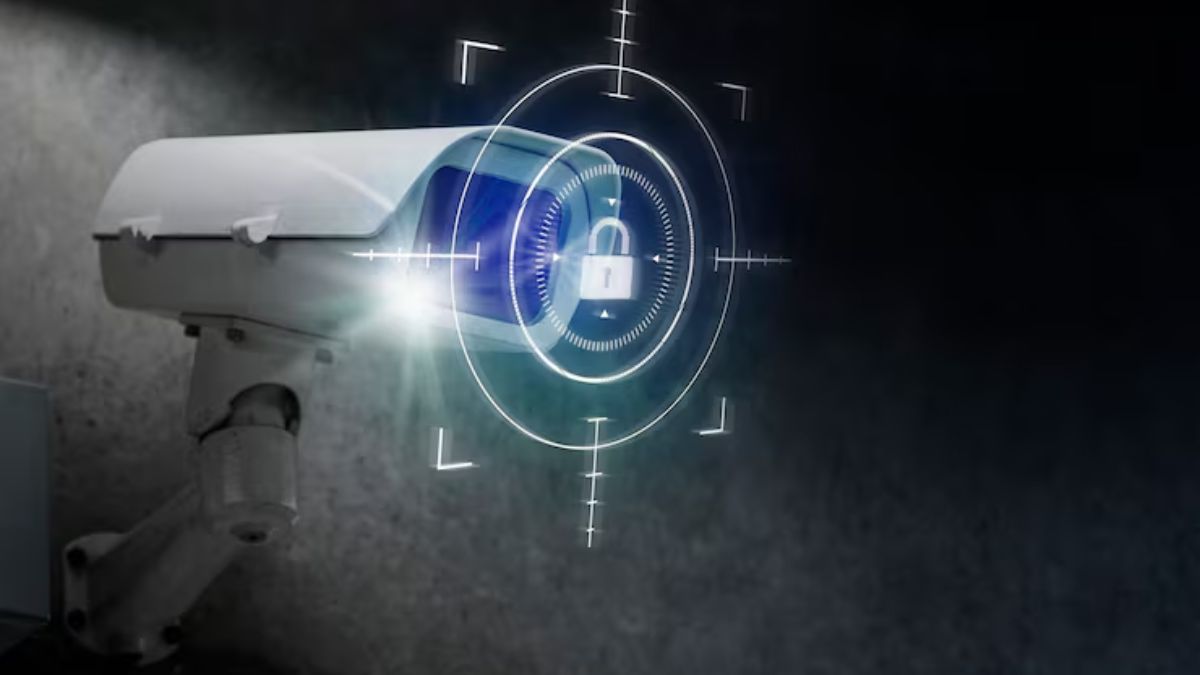
CCTV cameras are being used more and more for surveillance.
Countries like China, the US, Russia, Israel, and India have many cameras watching public spaces.
These cameras, combined with AI, can track people and their activities.
While some say this helps keep us safe, others worry about privacy.
There are concerns that the government and companies might misuse this data.
Some groups are pushing for stricter rules to protect people's privacy.
The Indian government has started requiring safety checks for CCTV cameras, but more needs to be done to balance security and privacy.

CCTV cameras are being used for surveillance by governments and intelligence agencies.
AI and machine learning enhance the ability to track individuals and identify suspicious behaviors.
Many CCTV systems have vulnerabilities, including weak passwords and unpatched software.
Civil liberty groups are advocating for stricter regulations to protect privacy.
The Indian government has implemented mandatory safety checks for internet-connected CCTV cameras.
- Who
- Governments, intelligence agencies, civil liberty groups, and technology companies.
- What
- The weaponisation of CCTVs for surveillance and intelligence gathering.
- When
- The evolution of CCTV use for surveillance has been ongoing, with notable incidents such as Russia's use before the Ukraine invasion in 2022, Hamas's hacking of Israel’s networks in 2023, and Israel's espionage capabilities in 2024.
- Where
- Globally, with specific mentions of countries like China, the US, Russia, Israel, and India.
- Why
- To enhance public safety, deter crime, and gather intelligence, but also to raise concerns about privacy, civil liberties, and potential misuse of data.
Pro-Surveillance
Privacy Advocates
Security vs. Privacy
Pro-Surveillance
Pro-surveillance groups argue that extensive CCTV networks enhance public safety by deterring crime and enabling real-time monitoring of suspicious activities.
Privacy Advocates
Privacy advocates contend that widespread surveillance infringes on civil liberties, leading to a chilling effect on personal behavior and potential misuse of data.
Technological Advancements
Pro-Surveillance
Proponents highlight the benefits of AI and machine learning in identifying patterns and suspicious behaviors, which can prevent criminal activities.
Privacy Advocates
Critics argue that the same technologies can be misused to target innocent individuals, leading to false arrests and unwarranted surveillance.
Government Oversight
Pro-Surveillance
Supporters of surveillance believe that government oversight is necessary to maintain public order and security.
Privacy Advocates
Opponents demand stricter regulations, including mandatory data-purging timelines and warrants for accessing historical video data, to prevent abuse of power.
- Countries with High CCTV Coverage
- China, New York, London, Moscow, Sydney, Hyderabad, Indore, Bangalore, Delhi, Chennai, Pune, Kochi, Lucknow
- AI and Surveillance
- AI and computer vision algorithms scan thousands of video streams simultaneously, identifying individuals and unusual behaviors.
- Vulnerabilities in CCTV Systems
- Many CCTV systems have minimal safeguards, including basic or default passwords, unpatched software, and reliance on indifferent service providers.
- Civil Liberty Concerns
- Civil liberty groups are pushing for bans on facial recognition in public places, mandatory data-purging timelines, and warrants for location logs.
- Government Regulations
- The Indian government has implemented mandatory STQC approval for internet-connected CCTV cameras, requiring disclosure of hardware architecture, origin of chipsets, firmware, software, cybersecurity, vulnerability assessment tests, and supply chain information.