Archive · 13 Jun 2025
NASA Launches Rocket Mission to Study Ionospheric Layers
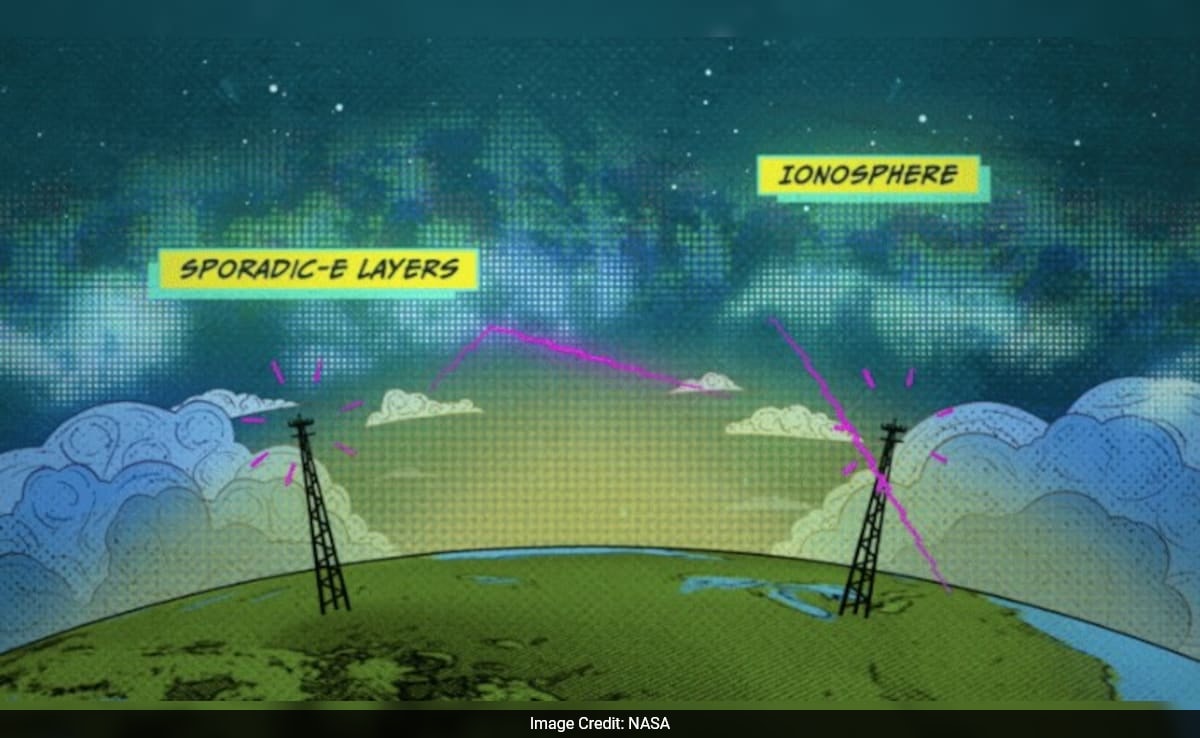
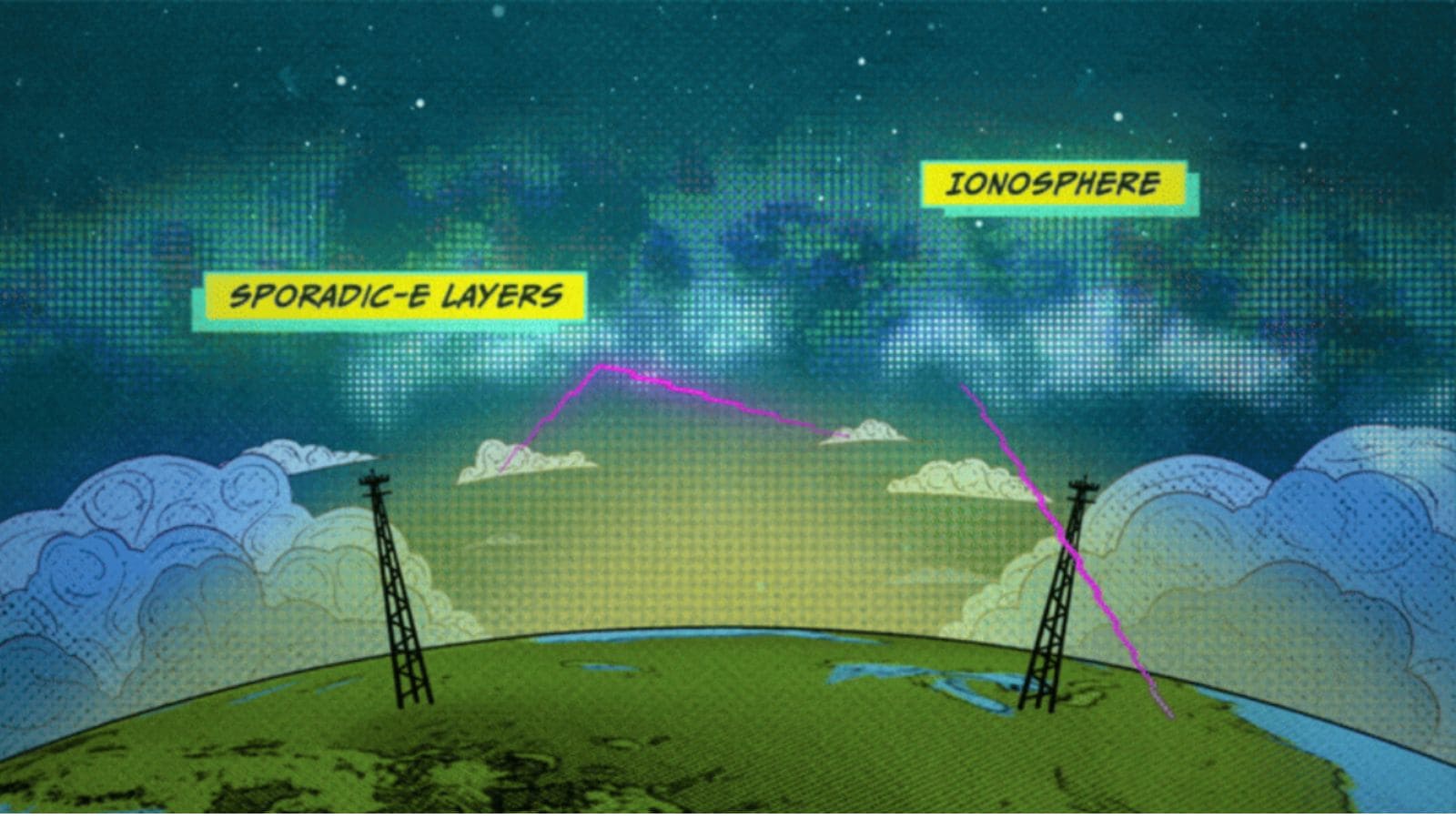
NASA is sending rockets from the Marshall Islands to study high-altitude, cloud-like formations called Sporadic-E layers.
These layers can mess up radio signals, making it harder to communicate over the radio or use radar.
The scientists want to figure out how these layers form, move and why they make it difficult to communicate.
These layers are made of charged particles and metals left by meteors.

NASA is launching rockets from Kwajalein Atoll to study Sporadic-E layers.
The mission, named SEED, begins June 13th.
Sporadic-E layers are cloud-like structures that can disrupt radio communications.
These layers cause radio signals to reflect back to Earth.
Scientists aim to understand the formation and dynamics of these layers.
- Who
- NASA scientists are conducting the mission.
- What
- NASA is launching rockets to study Sporadic-E layers.
- When
- The mission begins June 13th.
- Where
- Rockets will be launched from Kwajalein Atoll in the Marshall Islands.
- Why
- To understand how Sporadic-E layers form and disrupt radio communications.
- Mission Name
- SEED
- Launch Location
- Kwajalein Atoll, Marshall Islands
- Target
- Sporadic-E layers
- Objective
- Study the formation and dynamics of Sporadic-E layers.
- Impact
- Potential disruption of radio communications