

Archive · 30 Jul 2026
Trump- Netanyahu Alliance Shapes Middle East Dynamics and Policy
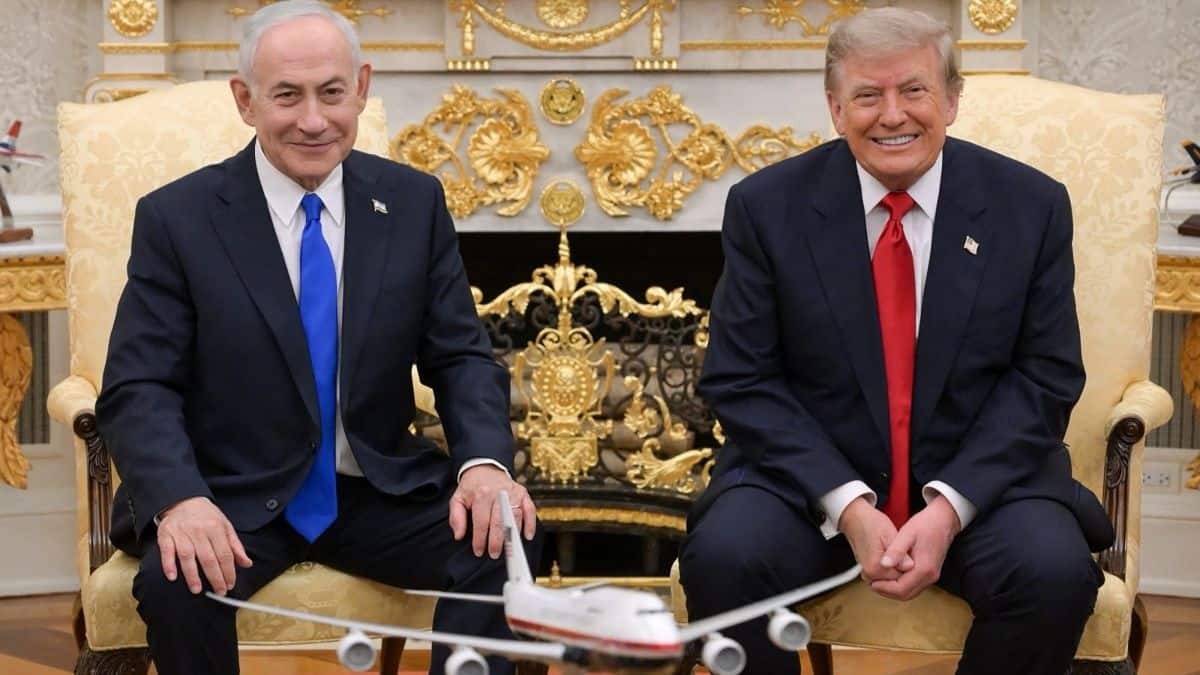
Donald Trump and Israeli Prime Minister Benjamin Netanyahu have worked together to change how the U.S. talks to the Middle East.
They made the U.S. officially say Jerusalem is Israel's capital and moved the U.S. embassy there.
They also helped Israel make peace deals with countries like the UAE and Bahrain, called the Abraham Accords.
In July 2026, they met at the White House to talk about Iran.
Trump wants to talk with Iran about nuclear weapons, while Netanyahu wants to keep military pressure on Iran.
The U.S. people are split on how to treat Netanyahu, with many Democrats not trusting him and many Republicans supporting him.
Jewish groups in the U.S. also disagree: some want more military action, while others want diplomacy.
The two leaders use their partnership to support each other's political goals at home.
Their meetings show how U.S. and Israeli politics are closely linked.

Trump and Netanyahu's partnership reshaped U.S. policy, recognizing Jerusalem and the Golan Heights.
Their alliance led to the Abraham Accords, normalizing ties with several Arab states.
A July 28, 2026 meeting highlighted diverging views on Iran, with Trump favoring diplomacy and Netanyahu pushing military pressure.
U.S. public opinion of Netanyahu is split, with Democrats largely disapproving and Republicans more supportive.
American Jewish advocacy groups are divided, with AIPAC and AJC backing military action while many voters favor diplomatic solutions.
- Who
- Donald J. Trump and Benjamin Netanyahu
- What
- Their alliance and July 28, 2026 meeting on U.S.-Iran policy
- When
- July 28, 2026 (meeting) and earlier events
- Where
- White House, Washington, D.C.
- Why
- To coordinate U.S. and Israeli strategies on Iran and regional conflicts, and to maintain political support
- Key Leaders
- Donald J. Trump, Benjamin Netanyahu
- Meeting Date
- July 28, 2026
- Location
- White House, Washington, D.C.
- Main Issue Discussed
- U.S.-Iran policy and regional conflicts
- Outcome
- No new strategy; diverging views