

Archive · 9 Nov 2025
Darbhanga Raj: From Prosperous Zamindari to Modern Challenges
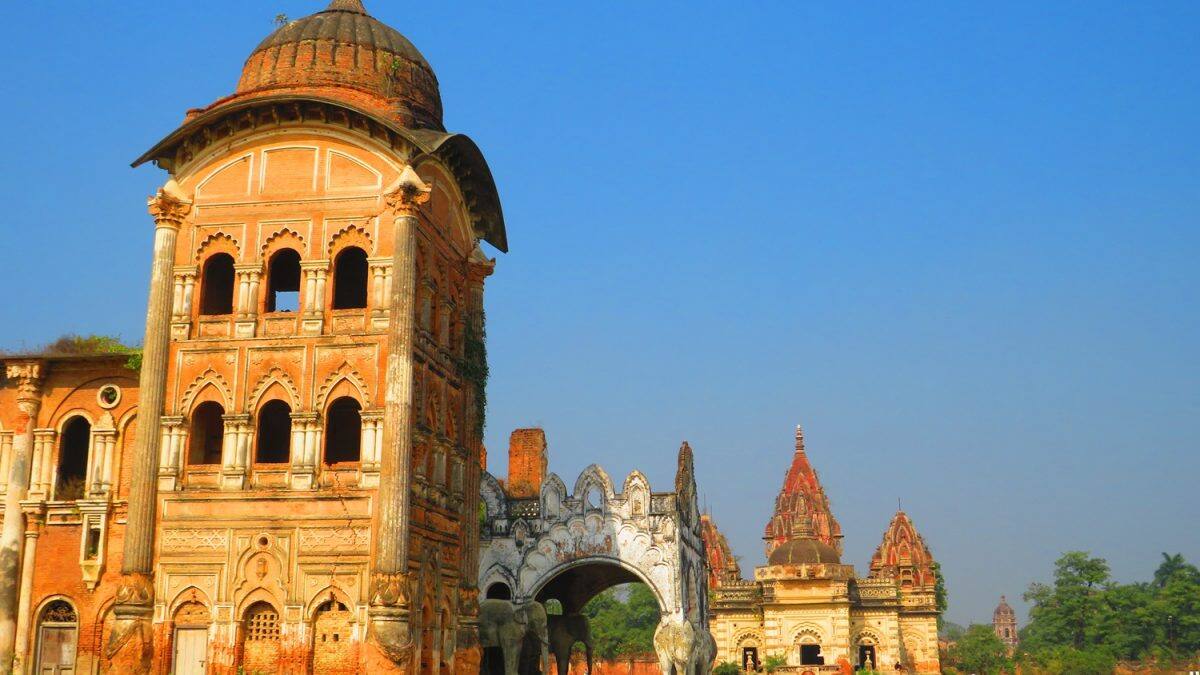
Imagine a very, very rich family that owned a huge amount of land a long time ago in India, called the Darbhanga Raj.
They were so powerful they acted like kings, even though they were not royalty.
They were great at managing their land and also supported art and music.
One member of the family, Kameshwar Singh, was super rich and started a private airline and owned newspapers!
But after India became independent, the rules changed, and they weren't allowed to own so much land anymore.
Their big houses became schools or offices, and many precious things were sold or lost.
Today, the town of Darbhanga is busy, and young people often leave to find jobs elsewhere, but some old palaces are still used for learning.

Darbhanga was once a highly prosperous and well-managed administrative unit, functioning as a powerful zamindari with king-like influence.
The Darbhanga Raj originated in the mid-16th century, with its status cemented in 1684, allowing it to endure through various dynastic changes.
At its peak, the Raj covered over 2,000 square miles and fostered significant cultural growth, patronizing arts, music, and painting.
Maharaja Kameshwar Singh was a prominent figure who expanded the family's wealth into diverse businesses, including aviation and media, and was a patron of sports.
The abolition of the Zamindari system after Independence led to the decline of the Darbhanga Raj, with its assets being nationalized, sold, or lost, and its former palaces now serving different purposes.
- Who
- The ruling family of the Darbhanga Raj, descendants of Mahamahopadhyaya Mahesh Thakur.
- What
- The rise and fall of the Darbhanga Raj, a historically prosperous zamindari that functioned like a kingdom, and its legacy in modern times.
- When
- From the mid-16th century to the present day, with particular focus on its peak prosperity around Independence and its decline thereafter.
- Where
- Darbhanga, Bihar, India, with its influence extending to Bengal, Varanasi, Ranchi, Shimla, and Mumbai.
- Why
- The zamindari was established to maximize land revenue; it grew and prospered due to stability and strong rule, but declined after the abolition of the Zamindari system and imposition of taxes post-Independence.
- Founding
- Mid-16th century, under Mughal Emperor Akbar
- Status Change
- 1684, Aurangzeb's farman made it permanent property, no tribute to Bengal Nawab
- Peak Size
- Over 2,000 square miles, 4,495 villages
- Notable Figures
- Mahamahopadhyaya Mahesh Thakur, Maharaja Kameshwar Singh
- End of Zamindari System
- Shortly after India's Independence
- Kameshwar Singh's Ventures
- Darbhanga Aviation, owned 'The Indian Nation' and 'Aryavart' dailies, founded All-India Football Federation
- Loss of Wealth
- Jewellery auctioned in 1967, properties sold or nationalized