Archive · 25 Sep 2026
Sitharaman Defends UPI MDR Decision Against Opposition Pressure Claims
India is introducing a new fee for some large payments made to businesses through UPI.
The fee is called the Merchant Discount Rate, or MDR.
It will be 0.4% for certain business payments above Rs 2,000.
Businesses will pay it, not customers.
Payments between people and most everyday merchant payments will remain free.
Small merchants collecting up to Rs 1 lakh per month through UPI QR codes will also be exempt.
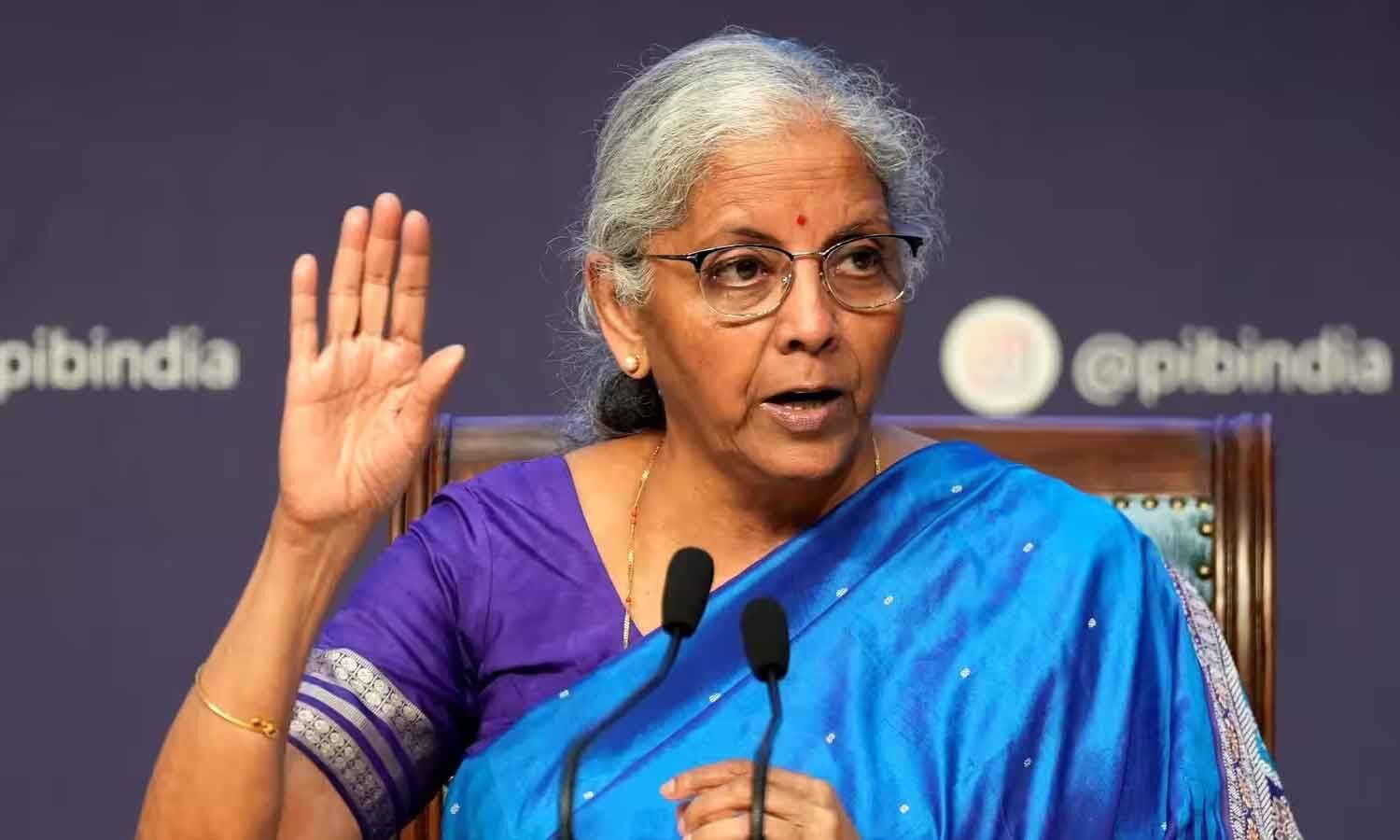
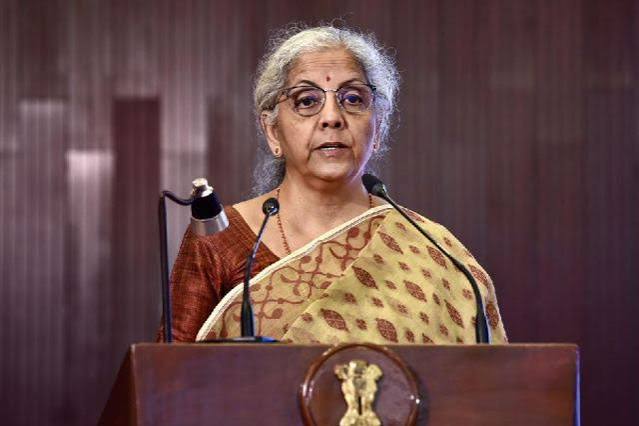
Finance Minister Nirmala Sitharaman says the fee was decided by payment companies and banks, not imposed because of pressure from another country.
The money will be shared within the payment system rather than going to the government as a tax.

Nirmala Sitharaman rejected Opposition allegations that external pressure, including from the United States, influenced the UPI MDR decision.
A 0.4% Merchant Discount Rate will apply from October 15 to specified person-to-merchant UPI payments above Rs 2,000.
Merchants, rather than consumers, will pay the charge, which is capped at Rs 300 for transactions of Rs 75,000 or more.
Small merchants collecting up to Rs 1 lakh monthly through UPI QR codes, along with person-to-person payments, will remain exempt.
MDR revenue will be shared among banks and UPI entities, while 5% of collections will fund UPI adoption among small merchants.
- Who
- Finance Minister Nirmala Sitharaman, the National Payments Corporation of India, payment banks, merchant banks, UPI entities, and Opposition parties are involved.
- What
- A 0.4% MDR will be charged on specified person-to-merchant UPI payments above Rs 2,000.
- When
- The MDR is scheduled to begin on October 15; the National Payments Corporation of India issued its circular on September 15.
- Where
- The decision concerns India's Unified Payments Interface ecosystem.
- Why
- The payment ecosystem says the MDR is intended to create a sustainable revenue framework and support continued UPI use.
Opposition Criticism
Government and Payment Ecosystem Position
External pressure
Opposition Criticism
Opposition parties allege that the MDR decision was influenced by external pressure, particularly from the United States.
Government and Payment Ecosystem Position
Sitharaman called the allegation absolutely baseless and said the decision was made professionally by the payment ecosystem.
Nature of the charge
Opposition Criticism
Opposition criticism characterizes the measure as a charge affecting UPI users and questions its introduction.
Government and Payment Ecosystem Position
Sitharaman said the MDR is not a tax, cess, or surcharge, will be paid by merchants, and will not go to the government's Consolidated Fund.
Purpose and impact
Opposition Criticism
Opposition parties question the need for a charge on selected UPI transactions and criticize the policy.
Government and Payment Ecosystem Position
The payment ecosystem says the MDR will create a sustainable revenue framework, while exemptions preserve free payments for individuals and most everyday merchant transactions.
- Standard MDR
- 0.4% on specified person-to-merchant UPI payments above Rs 2,000.
- Who pays
- Merchants pay the MDR; consumers are not charged.
- Maximum charge
- Rs 300 for transactions of Rs 75,000 or more.
- Small-merchant exemption
- Merchants collecting up to Rs 1 lakh monthly through UPI QR codes remain exempt.
- Revenue distribution
- Forty percent goes to customers' banks, 30% to payment gateways, 20% to the UPI app, and 10% to the sponsoring bank.
- Special rates
- Essential services face a flat Rs 5 fee above Rs 2,000, while capital-markets transactions have a 0.02% rate capped at Rs 300.
- Small-merchant fund
- Five percent of total MDR collections will support a fund promoting UPI use by small merchants.