Archive · 25 Nov 2025
Mountains Warming Faster Than Global Average
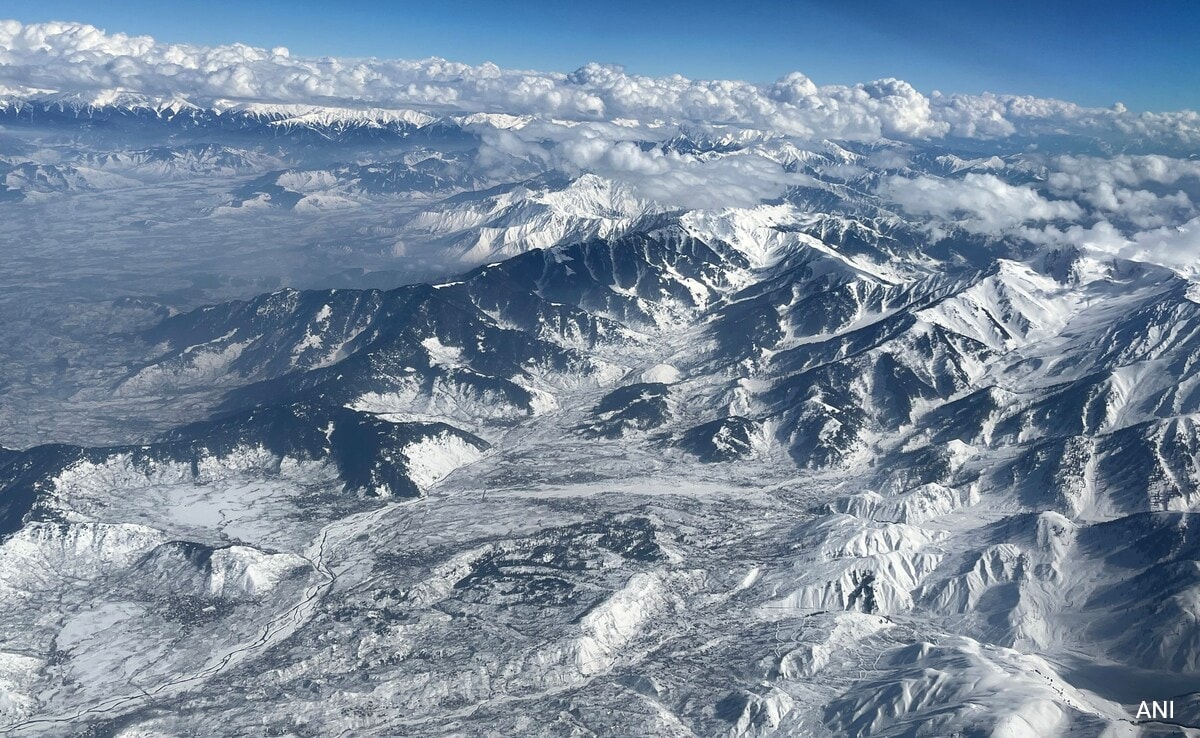
Scientists found that mountains are getting warmer much faster than the rest of the world.
Since 1950, mountains have been warming about 50% faster than the global average.
This means they are also drying out and losing snow quicker.
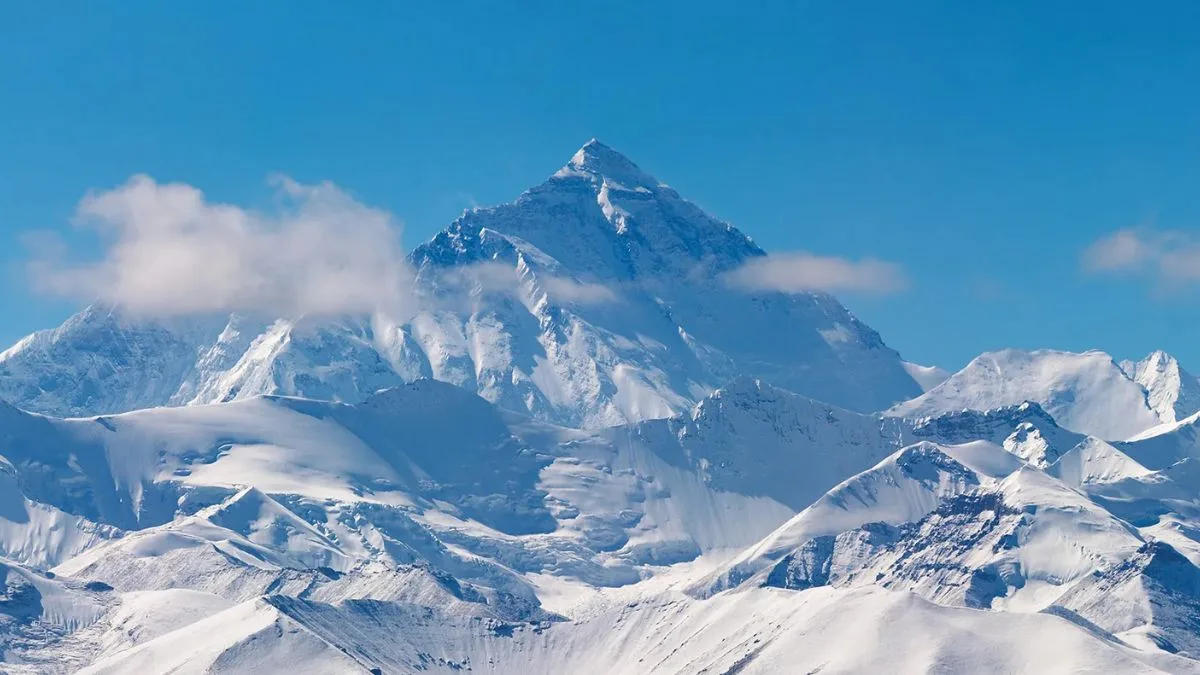
The study looked at many mountain ranges, like the Himalayas and the Alps.
The warming is caused by things like changes in sunlight reflection, humidity, and tiny particles in the air.
This is bad news because over a billion people rely on mountain snow and ice for their water.
As the mountains warm, animals and plants are moving higher up, but they might run out of space, which could change ecosystems and even cause some species to disappear.
The study also predicts that this warming will continue into the future.
In India, the average temperature has risen by 0.89 degrees Celsius from 2015 to 2024 compared to the early 20th century, and this trend is expected to continue, with additional warming of 1.2 to 1.3 degrees Celsius by mid-century.
Marine heatwaves and compound climate hazards are also becoming more frequent, posing additional risks.

Mountains are warming 50% faster than the global average since 1950, with enhanced drying and snowmelt.
India's average temperature increased by 0.89°C from 2015-2024 compared to the early 20th century, with projected additional warming of 1.2-1.3°C by mid-century.
Duration of marine heatwaves could increase from 20 days/year to 200 days/year by mid-century.
Average southwest monsoon rainfall has declined by 0.5-1.5 mm/day per decade over the Indo-Gangetic Plains and northeast India.
Himalayan glaciers are losing mass at an accelerating rate, with losses increasing from 0.17 m-water equivalent/year to 0.28 m-water equivalent/year.
- Who
- Researchers led by the University of Portsmouth, including scientists from India's Uttaranchal and Jawaharlal Nehru universities, and other institutes
- What
- Mountains are warming 50% faster than the global average since 1950, with enhanced drying and snowmelt
- When
- Data analyzed from 1950 to 2020, with predictions for the 21st century
- Where
- Global mountain regions, including the Himalayas, Alps, Tibetan Plateau, and High-Mountains Asia
- Why
- Factors include surface albedo, specific humidity, aerosol levels, and loss of snow and ice
Environmental Concerns
Regional Variations
Warming Rates
Environmental Concerns
Mountains are warming 50% faster than the global average, posing significant risks to ecosystems and water supplies.
Regional Variations
There is significant regional variation in warming rates, with some areas experiencing more rapid changes than others.
Impact on Snow and Ice
Environmental Concerns
Accelerated snowmelt and glacier loss are critical concerns, affecting water availability for over a billion people.
Regional Variations
Intermediate elevations are most affected by snow loss, as the snowline moves higher, leading to rapid changes in these areas.
Future Predictions
Environmental Concerns
Continued warming is predicted, with uncertain precipitation changes, which could exacerbate climate hazards.
Regional Variations
Some models predict continued warming, but the extent and impact of precipitation changes remain uncertain.
- Enhanced Warming
- 0.21°C per century (1980-2020)
- Enhanced Drying
- 11.5 mm per century (1980-2020)
- Accelerated Snow Melt
- 25.6 mm per century (1980-2020)
- Study Lead
- Nick Pepin, University of Portsmouth
- Key Mountain Regions Studied
- Alps, Tibetan Plateau, High-Mountains Asia
- Future Warming Prediction
- 0.13°C per century in the 21st century
- Dependent Population
- Over 1 billion people worldwide
- India's Temperature Increase
- 0.89°C (2015-2024 compared to early 20th century)
- Projected Additional Warming in India
- 1.2 to 1.3°C by mid-century
- Marine Heatwaves Duration Increase
- From 20 days/year (1970-2000) to 200 days/year by mid-century
Sources
Mountains Experience Warming 50% Faster Than Global Average: Study
Himalayan warming rises faster than global average, posing risks to over a billion people
India's average temperature rose by 0.89 degrees Celsius, compound climate hazards to rise: Study