

Archive · 27 Sep 2025
Population: A Complex Issue with Diverse Global Implications
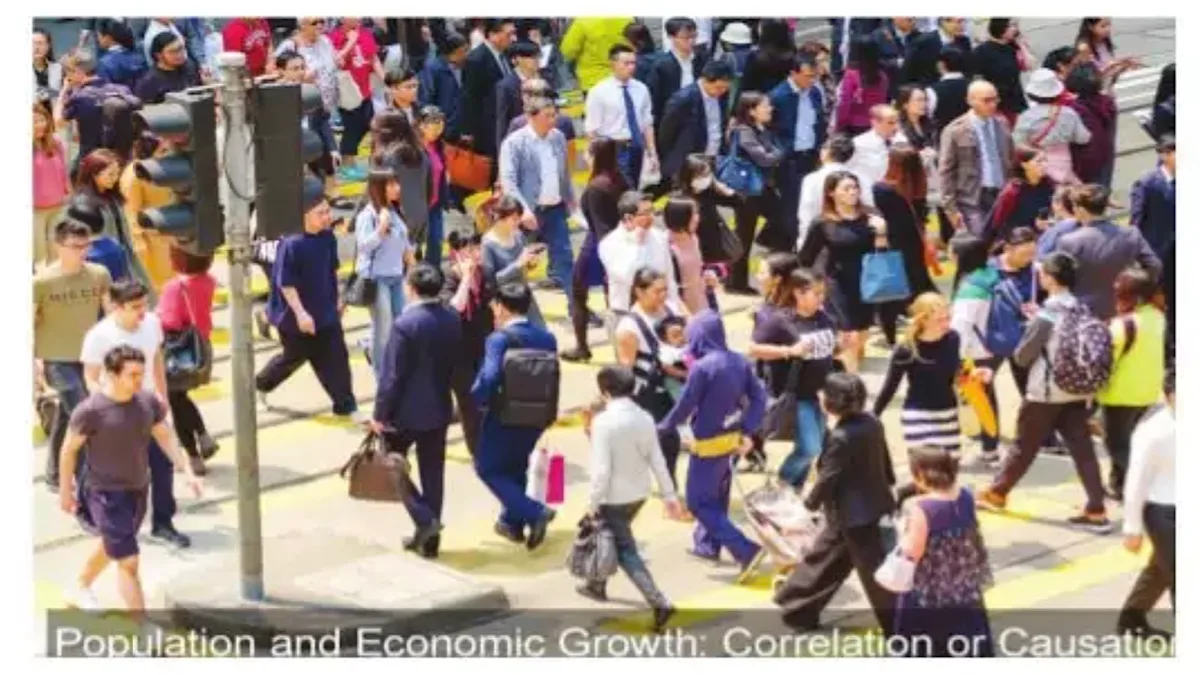
Imagine the world is getting crowded, but some countries are shrinking.
The article talks about how population is a big issue.
Some places have too many people, causing problems like poverty.
Others have too few people, which affects things like the economy.
In the past, people like Plato thought about how many people is too many.
Different places need different things to manage their population.
Some places want more babies, while others want fewer.
It's about finding a balance to make sure everyone has what they need.

Global economic uncertainty and population changes pose challenges to both developed and emerging economies.
Ancient thinkers and modern analysts alike have debated the implications of population growth.
China is projected to experience the largest population decline between 2024 and 2054.
India's population recently surpassed China, becoming the world's most populous nation.
Government efforts to address population issues have been inconsistent, with some initiatives being politically motivated.
- Who
- The article discusses global population trends, differing perspectives on population, and governmental approaches to population control.
- What
- The article discusses population growth and its impact on various aspects of society.
- When
- The article refers to events from as early as 72,000 BC up to 2024 and beyond.
- Where
- The article references global locations and includes examples in Europe, China, and India.
- Why
- The article explores the challenges and complexities of population management and control.
- Human Population (Nov 2022)
- 8 billion
- India's Projected Working Age Population (2030)
- 100 crore
- China's Projected Population Loss (2024-2054)
- 204 million
- China's Projected Population (2100)
- Decline by 786 million