

Archive · 3 Aug 2026
Algorithmic Feeds Fuel GenZ Fake Content and Mobilization
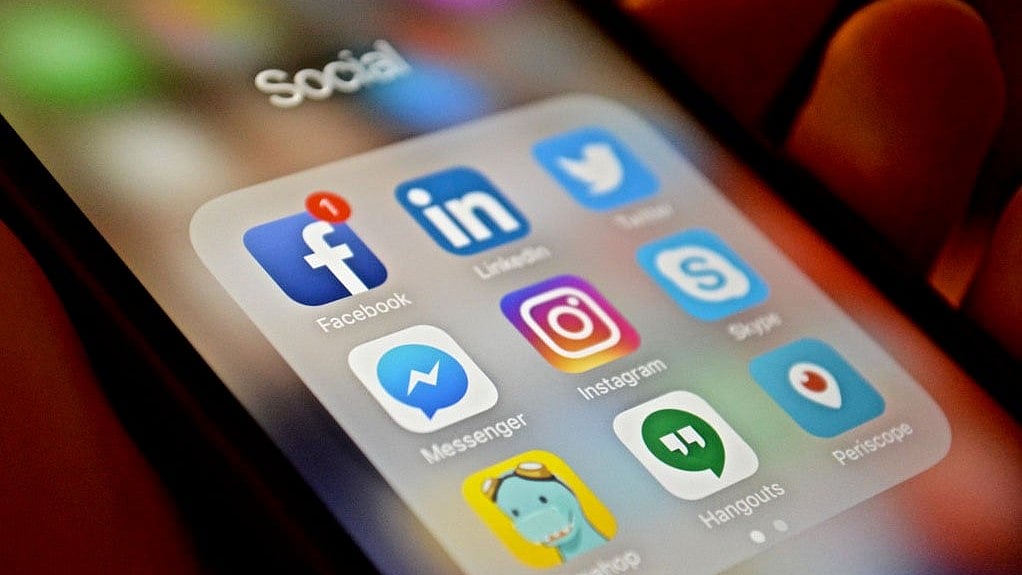
India has about 407 million GenZ people who spend a lot of time on social media.
The feeds they see are chosen by algorithms that want to keep them scrolling, so they show more exciting or angry posts.
This can make people think things that aren’t true and even cause real fights.
Companies like Meta and Twitter have been blamed for spreading hate and fake news, especially in places like Myanmar.
Experts say banning these platforms would upset young people, so they suggest new rules instead of a full ban.

India’s GenZ (407 million) spends ~7 hours daily on social media, making them a key voter demographic.
Algorithmic feeds prioritize engagement, rewarding outrage and polarisation, which can distort debate and fuel violence.
Meta, Twitter, and Facebook have been accused of amplifying harmful content, with Meta’s algorithms linked to hate‑speech in Myanmar and radicalisation in South Asia.
Events such as Myanmar atrocities, Nepal’s 2025 platform‑ban‑triggered uprising, Bangladesh protests, and India’s NEET paper‑leak mobilization show how algorithms shape political emotions.
Experts argue outright bans would provoke generational backlash; instead, they call for legal, economic, and narrative controls over platforms.
- Who
- Indian GenZ youth and experts such as Lt Gen (retired) Abhay Krishna
- What
- Algorithm-driven social media feeds spread fake content and shape political emotions
- When
- Current, with events in 2025 and recent protests
- Where
- India, South Asia, Myanmar, United States
- Why
- Algorithms prioritize engagement over truth, leading to misinformation and mobilization
- GenZ population in India
- 407 million
- Average daily screen time (18-25)
- 7 hours
- Key platforms
- Meta, Twitter, Facebook, TikTok, Discord
- Countries affected
- India, Myanmar, Nepal, Bangladesh, United States
- Main concerns
- Misinformation, radicalisation, political violence

