

Archive · 27 Jul 2026
Panel recommends long-term deals to curb fertilizer import costs
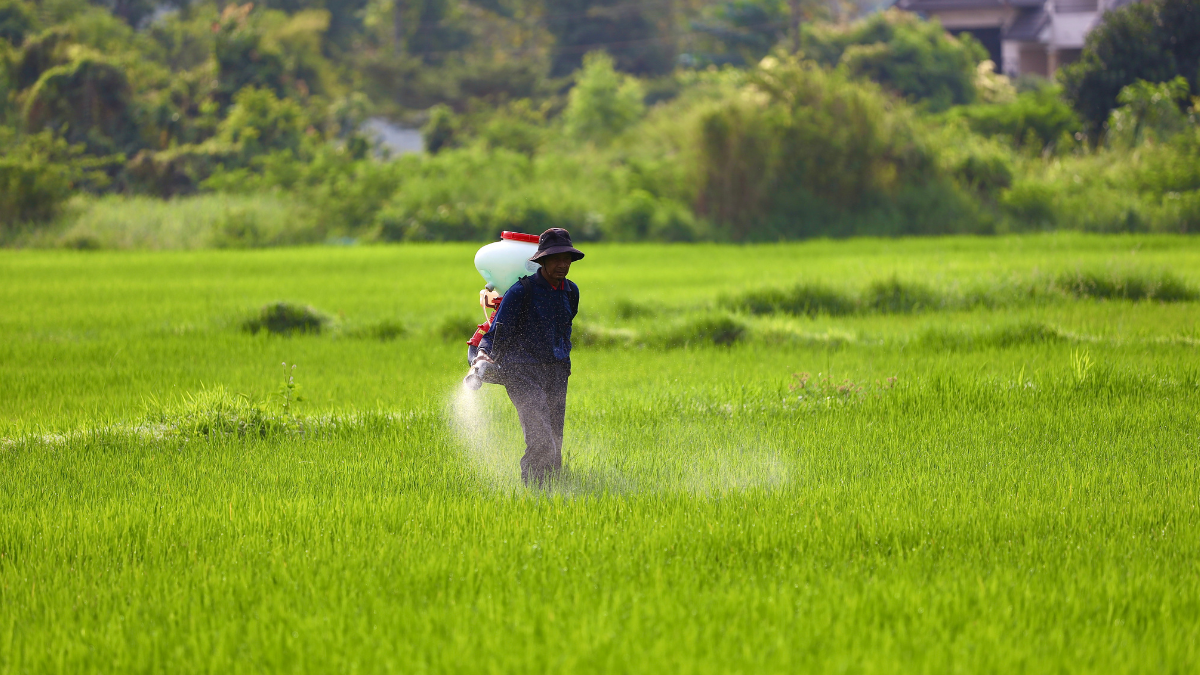
A committee in India has suggested that the government should make long-term deals and partner with other countries to get the materials needed for making fertilizers.
This is because India relies heavily on imports for fertilizers, which can be expensive and affected by global politics.
The committee wants India to have its own mines in other countries to get these materials more easily and cheaply.
They also warned that if the government changes how it subsidizes urea, a common fertilizer, it could become more expensive for farmers.

India imports 28 million tonnes of fertilizers annually, with high dependence on imports for key nutrients.
The committee recommends long-term agreements and joint ventures to secure raw materials abroad.
India has achieved 80% self-sufficiency in urea production but still imports 90% of the required gas.
The committee opposes bringing urea under the nutrient-based subsidy regime, fearing higher prices for farmers.
India entirely depends on imports for potash and imports 50-60% of its DAP requirements.
- Who
- Parliamentary Standing Committee on Chemicals and Fertilisers
- What
- Recommended long-term agreements and joint ventures to reduce fertilizer import costs
- When
- Monday
- Where
- India
- Why
- To reduce the impact of global fertilizer price fluctuations and ensure stable supply
Government and Fertilizer Industry
Farmers and Consumers
Urea Subsidy Regime
Government and Fertilizer Industry
The government and industry argue that bringing urea under the nutrient-based subsidy regime would stabilize prices and ensure fair market determination.
Farmers and Consumers
Farmers and consumers oppose this move, fearing that it would lead to higher urea prices, making it more expensive for farmers to purchase.
- Fertilizer Import
- 28 million tonnes in FY26
- Total Fertilizer Consumption
- Over 70 million tonnes in FY26
- Urea Import
- 10 million tonnes in the last fiscal year
- Total Urea Consumption
- 40 million tonnes in the last fiscal year
- LNG Import for Urea Manufacturing
- 80% of feedstock
- Urea Self-Sufficiency
- 80%
- DAP Import Dependence
- 50-60%
- Potash Import Dependence
- 100%