

1 week ago
In Pune, Rahul Gandhi opens space, Congress looks backward

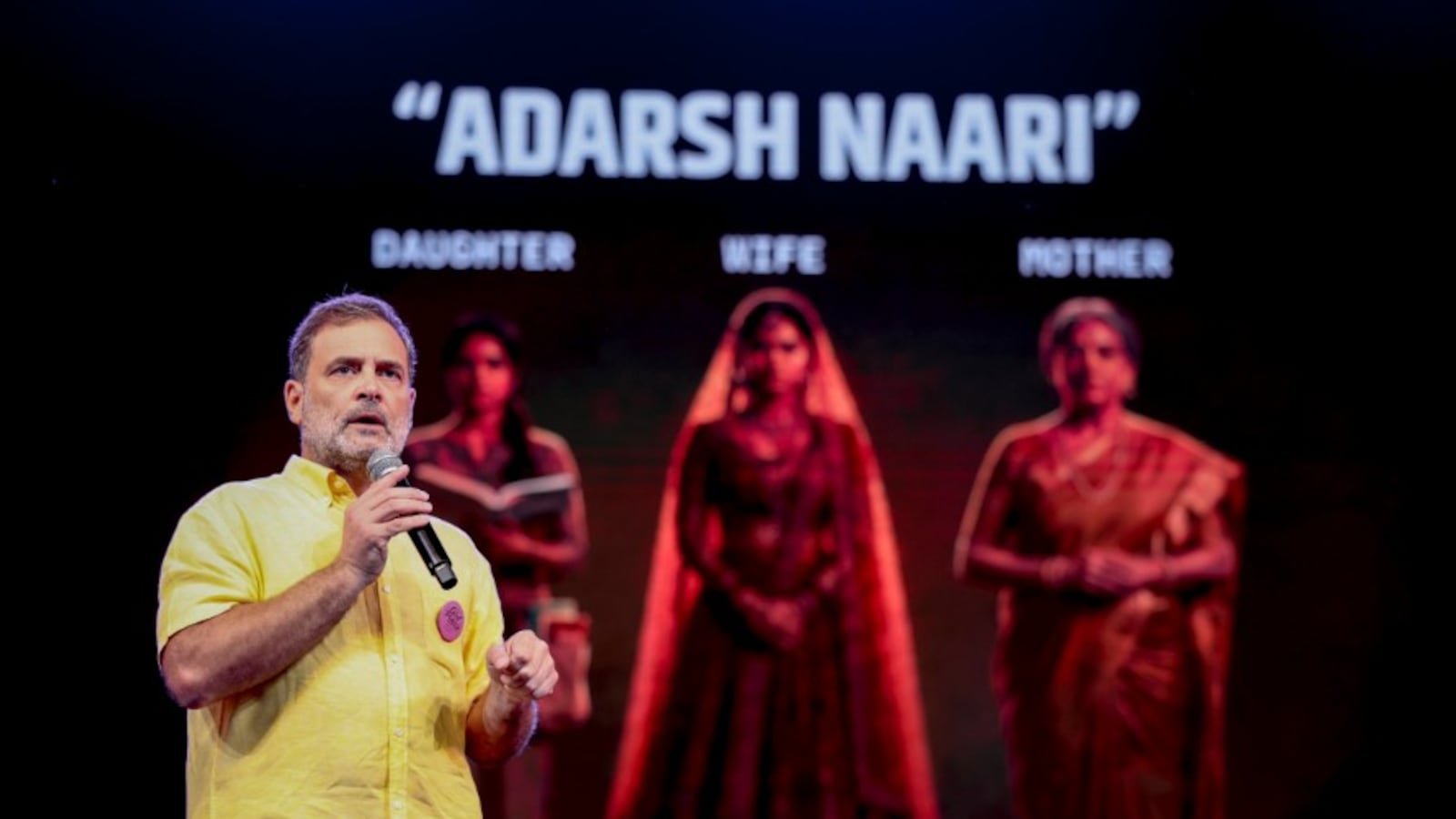
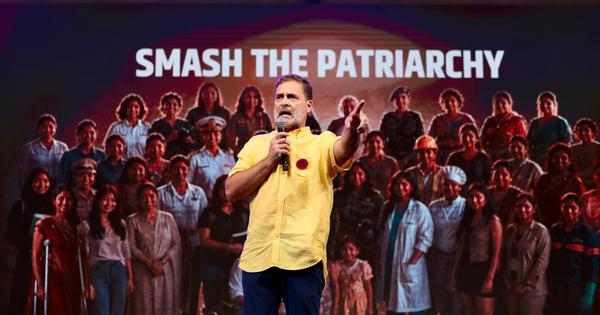
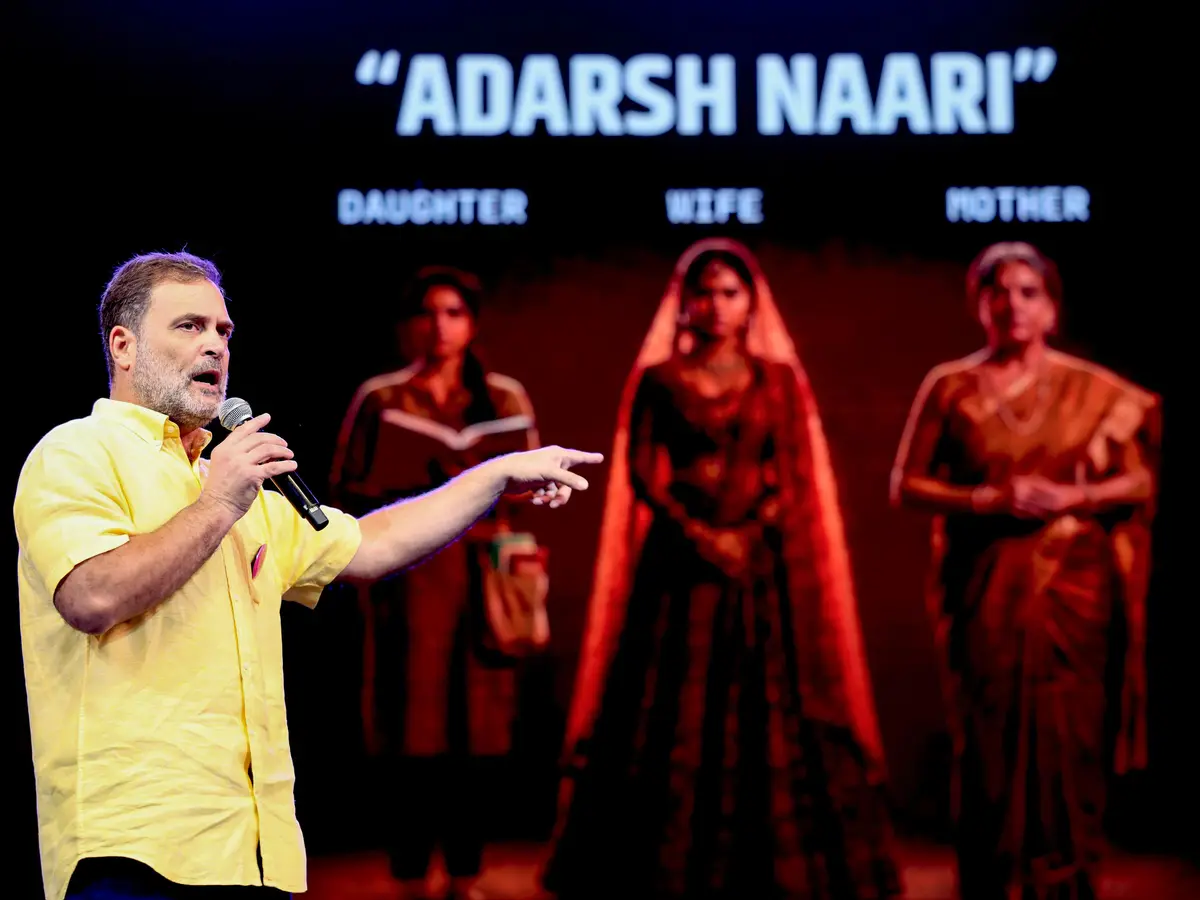
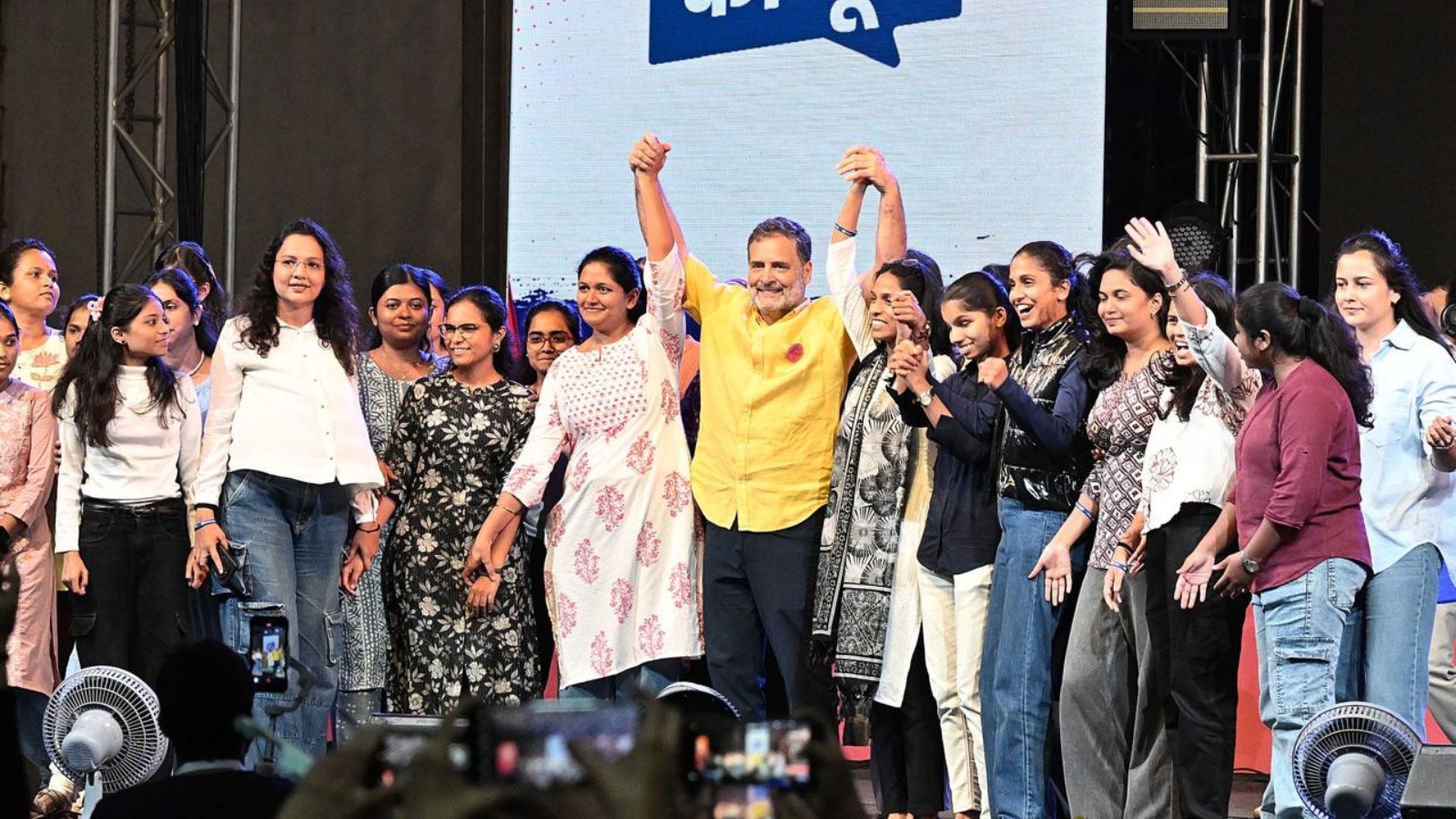
Rahul Gandhi spoke to young women at an event in Pune.
He said women belong to themselves and should not be defined by their relationships with men.
He also talked about unfair treatment and opportunities being denied to women.
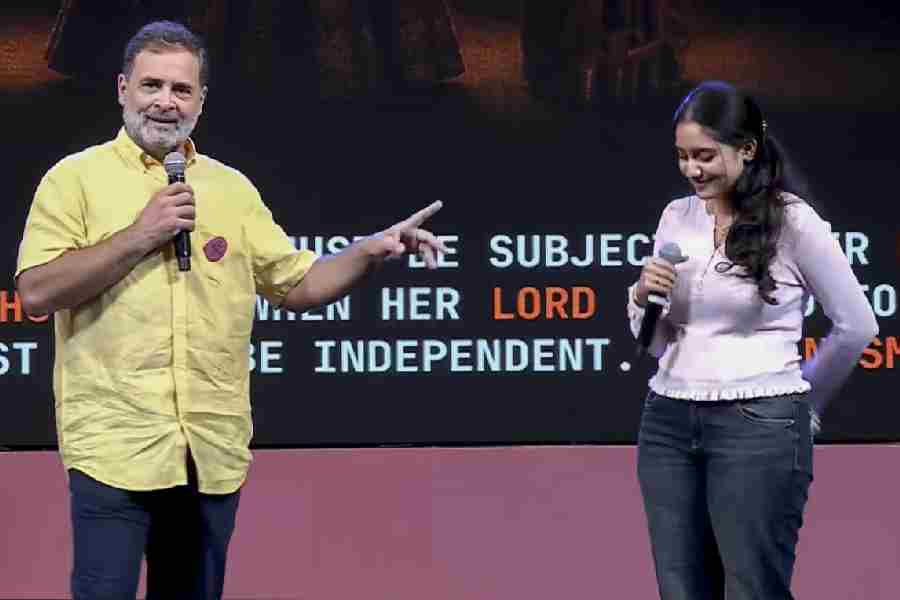
Women at the event were given a chance to tell their own stories.
Gandhi also made a political point involving the Manusmriti.
Yogi Adityanath quickly responded to that point.
Separately, the Congress Working Committee said the party would sing only two verses of Vande Mataram.
The article questions why Congress did not oppose the related law in Parliament or challenge it in court.

Rahul Gandhi told young women in Pune they should not be defined by relationships with men.
He highlighted routine violence against women, including denied opportunities and daily forms of control.
Gandhi used the speech to criticize a political opponent through references to the Manusmriti, prompting a response from Yogi Adityanath.
The event gave women space to share their own stories from a mainstream political stage.
A Congress Working Committee resolution said the party would sing only two verses of Vande Mataram, reviving a 1937 decision.
- Who
- Rahul Gandhi, young women in Pune, the Congress Working Committee, and Yogi Adityanath.
- What
- Gandhi spoke about women’s autonomy and discrimination, while a Congress resolution addressed how much of Vande Mataram the party would sing.
- Where
- Pune, with the Vande Mataram decision discussed in relation to Parliament and Congress-ruled states.
- When
- The speech followed the Jantar Mantar occasion; the article does not provide a specific date.
- Why
- Gandhi sought to discuss women’s rights and use the occasion for political criticism; the Congress resolution addressed the party’s position on Vande Mataram.
Supporters of the Pune message
Critics of Congress’s political approach
Women’s autonomy and representation
Supporters of the Pune message
Rahul Gandhi’s supporters could view his remarks and the inclusion of women’s stories as opening mainstream political space for discussions of control, violence, and denied opportunities.
Critics of Congress’s political approach
The article does not identify a direct opposing view to the women’s-rights message, but notes that Gandhi was also using the event to make a political jab at an opponent.
Manusmriti reference
Supporters of the Pune message
Gandhi used the reference as part of his criticism of a woman-unfriendly political tradition.
Critics of Congress’s political approach
Yogi Adityanath responded almost immediately, indicating opposition to Gandhi’s framing, although the article does not provide the details of his counterargument.
Vande Mataram policy
Supporters of the Pune message
The Congress Working Committee favored singing two verses, following the party’s stated 1937 position.
Critics of Congress’s political approach
The article criticizes Congress for refusing to sing all six verses without opposing the amendment in Parliament or challenging it in court; the amendment passed after limited debate.
Key facts
- Speaker
- Rahul Gandhi, Leader of the Opposition
- Audience
- Young women in Pune
- Main theme
- Women’s autonomy, denied opportunities, and routine forms of control
- Political reference
- Gandhi mentioned the Manusmriti, prompting an immediate response from Uttar Pradesh Chief Minister Yogi Adityanath
- Congress resolution
- The Congress Working Committee said the party would sing two verses of Vande Mataram
- Historical reference
- The two-verse position was linked to a Congress decision made in 1937
- Parliamentary action
- The amendment giving Vande Mataram the same statutory protections as the national anthem passed the Lok Sabha by voice vote in about 15 minutes
Quotes

Narendra Modi
Prime Minister of India who raised the issue of unequal parental restrictions in his 2014 Independence Day address
“Have they ever asked their sons what they are doing, where they are going?”
 indianexpress.com
Sources
Related news
Rahul Gandhi’s Patriarchy Remarks Trigger Sharp Congress-BJP Clash
Rahul Gandhi Urges Pune Students to Smash Patriarchy

Rahul Gandhi Urges Women to Smash Patriarchy at Pune Event
Rahul Gandhi’s Patriarchy Message Draws Young Women’s Attention
Rahul Gandhi Targets Patriarchy in Congress Women Voter Strategy
BJP Calls Rahul Gandhi’s Pune Event Political Comedy Show

India's 7.8% GDP Growth Sparks Questions Over Economic Reality

Congress Questions Haryana’s Falling Sex Ratio Despite Beti Bachao
Three Killed, Several Injured in Rewa Bus Collision

West Bengal Plans Mega Durga Puja Show at Eden Gardens
NVIDIA CEO urges Indian startups to build local AI economy