

Archive · 9 Nov 2025
Tripura's Daspara: India's First Bio-Village Thrives with Green Initiatives
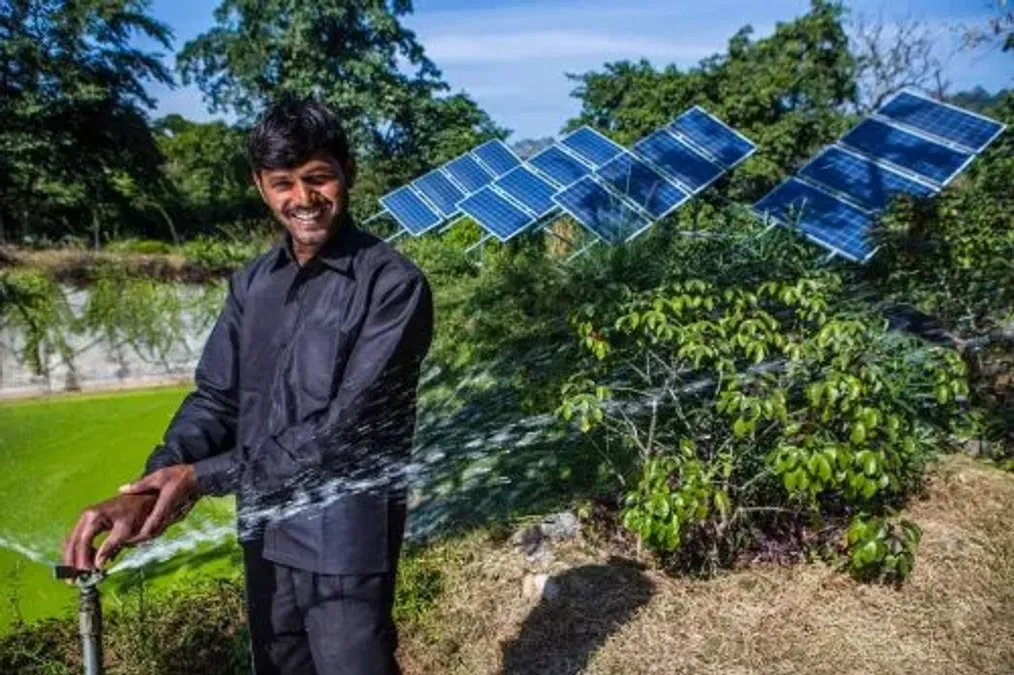
Imagine a small village called Daspara where people wanted to live in a way that's good for the planet and their wallets.
So, they started a project called 'Bio Village 2.0'.
They learned to use sunlight for energy with solar panels and turned waste into cooking gas with biogas.
They also started farming in ways that don't harm the soil, using natural fertilizers instead of chemicals.
This means less pollution and healthier food.
Because they are using these clean methods, their farms are more productive, and families are earning more money, about Rs 5,000 to Rs 15,000 extra each month!
Their success is so great that an international group called it one of the best green ideas in the world.
Now, the government wants to help other villages become like Daspara.

Daspara village in Tripura is recognized as India's first self-sustaining bio-village, comprising 64 families.
The 'Bio Village 2.0' initiative focuses on integrating renewable energy, eco-friendly farming, and sustainable practices into village life.
Villagers have adopted solar power, biogas, organic fertilizers, and climate-smart interventions, reducing reliance on chemical inputs and fossil fuels.
The initiative has significantly boosted household incomes, with families earning an additional Rs 5,000 to Rs 15,000 monthly.
Daspara's eco-friendly model has gained international acclaim and prompted plans for establishing 100 more bio-villages across Tripura.
- Who
- 64 families of Daspara village in Tripura
- What
- Transformed into India's first self-sustaining bio-village through the 'Bio Village 2.0' initiative.
- When
- Interviews and reporting conducted in December 2024. 'Bio Village 2.0' concept introduced in 2018.
- Where
- Daspara village in the Sepahijala district of Tripura, India.
- Why
- To become self-sustaining, eco-friendly, economically empowered, and adapt to changing climatic conditions.
Community-Driven Approach
Standardized Implementation
Selection of Project Components
Community-Driven Approach
Villagers are encouraged to choose project components that benefit them the most, ensuring tailored solutions and empowering them to make priority-based decisions.
Standardized Implementation
The article implies a unified 'Bio Village 2.0' concept, which could suggest a more standardized approach rather than completely individual choices for each family.
- Village Name
- Daspara
- District
- Sepahijala, Tripura
- Number of Families
- 64
- Initiative Name
- Bio Village 2.0
- Key Focus Areas
- Renewable energy, eco-friendly farming, sustainable practices, climate change adaptation
- Economic Impact
- Rs 5,000 to Rs 15,000 additional monthly income per household
- International Recognition
- Top ten best practices globally by The Climate Group