

Archive · 24 Jul 2026
Legacy of Freedom: Azad and Tilak's Path to Independence
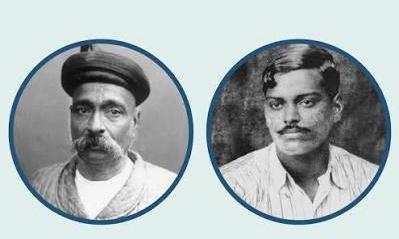
Chandrashekhar Azad and Bal Gangadhar Tilak were two important leaders in India's fight for freedom.
Azad believed in fighting the British with force and did brave things like robbing a train and bombing a building to show people they could stand up to the British.
Tilak, on the other hand, used his words and ideas to inspire people.
He wrote in newspapers and turned festivals into big gatherings where people could feel proud of being Indian.
Both men showed different ways to fight for freedom, and their efforts helped India become independent on August 15, 1947.
Today, their stories teach us about courage, duty, and the importance of working together to make our country better.

Chandrashekhar Azad joined the Non-Cooperation Movement at 15 and later founded the HSRA, advocating for armed revolution.
Bal Gangadhar Tilak led the extremist faction of the freedom movement and founded the All India Home Rule League.
Azad planned and executed key operations like the Kakori train robbery and the Central Assembly bombing.
Tilak used cultural festivals and newspapers to inspire nationalism and wrote Gita Rahasya during his imprisonment.
The combined efforts of Azad and Tilak paved the way for India's independence on August 15, 1947.
- Who
- Chandrashekhar Azad and Bal Gangadhar Tilak.
- What
- The struggle for Indian independence through revolutionary and intellectual paths.
- When
- From the early 20th century to August 15, 1947.
- Where
- India and Burma (Myanmar).
- Why
- To achieve freedom from British colonial rule and establish self-rule.
Revolutionary Path
Intellectual Path
Method of Struggle
Revolutionary Path
Chandrashekhar Azad advocated for armed revolution and direct action against British rule.
Intellectual Path
Bal Gangadhar Tilak focused on intellectual and mass movements, using newspapers and cultural festivals to inspire nationalism.
Symbolism
Revolutionary Path
Azad's actions symbolized defiance and the willingness to die for freedom.
Intellectual Path
Tilak's work symbolized the power of ideas and the importance of self-rule.
- Chandrashekhar Azad
- Born July 23, 1906, joined Non-Cooperation Movement at 15, founded HSRA, died February 27, 1931.
- Bal Gangadhar Tilak
- Born July 23, 1856, founded All India Home Rule League, wrote Gita Rahasya, died August 1, 1920.
- Kakori Train Robbery
- 1925, planned by Azad to fund the revolution.
- Central Assembly Bombing
- 1929, symbolic act by Azad to awaken the masses.
- Ganeshotsav and Shiv Jayanti
- Cultural festivals used by Tilak to unite people against British rule.
- Gita Rahasya
- Commentary on the Bhagavad Gita written by Tilak during his imprisonment.
- Independence Day
- August 15, 1947, India gained independence from British rule.