

Archive · 2 Sep 2025
B-29 Bomber: The Costliest Weapon of WWII, Shaping History
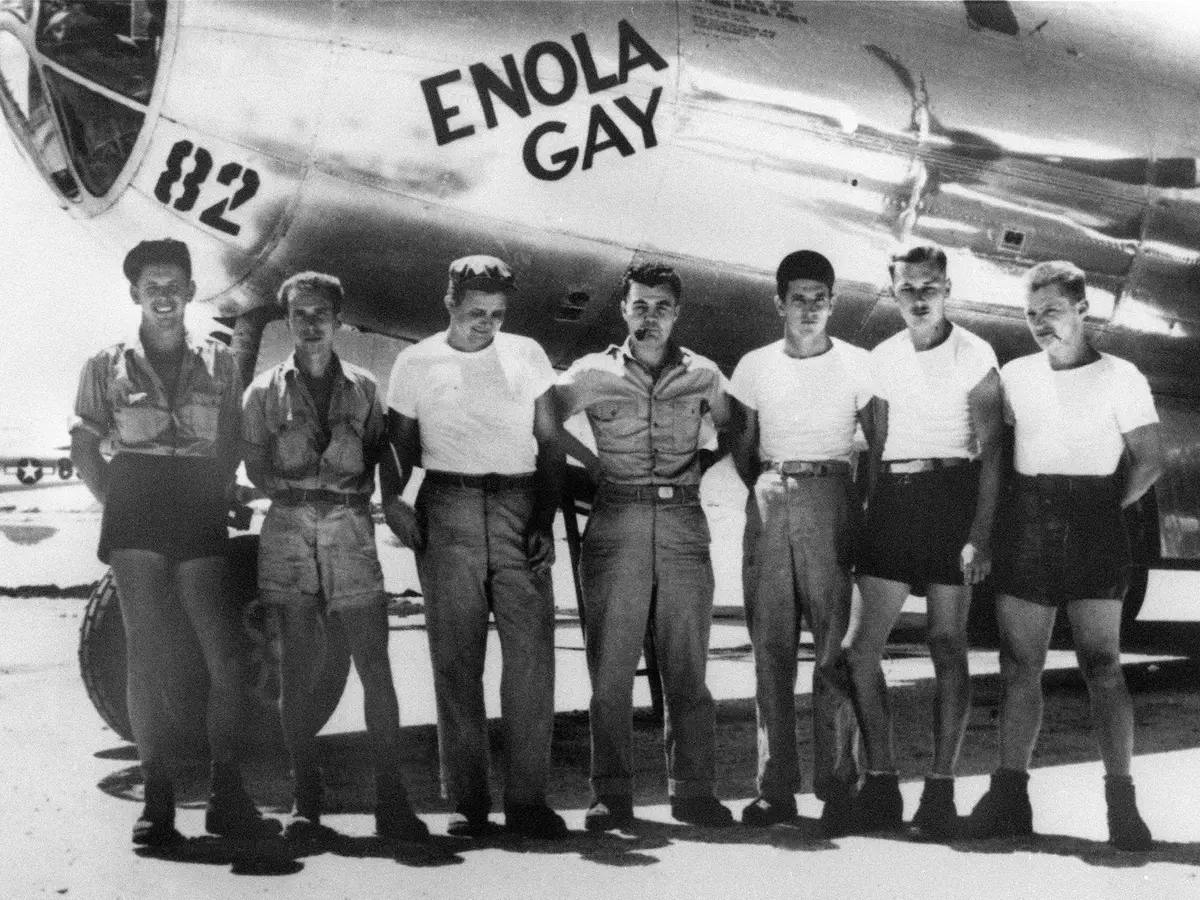
The B-29 bomber was a super expensive airplane built during World War II, even more costly than the nuclear bombs.
It was designed to fly long distances, reaching Europe and Asia.
Boeing built over 3900 of these planes.
They were used for high-altitude bombing and then low-level raids with firebombs over Japan.
The B-29s also dropped the atomic bombs on Hiroshima and Nagasaki, which helped end the war.
Despite some early problems, it became a key part of US operations.

The B-29 Superfortress was the costliest weapon of World War II.
The bomber was designed by Boeing and cost around $3 Billion (1940s valuations).
It was capable of reaching Europe and Asia without refueling.
B-29 bombers were central to US operations in Japan and the Pacific.
The B-29 dropped atomic bombs on Hiroshima and Nagasaki.
- Who
- Boeing, US Army, General Curtis LeMay
- What
- Development and deployment of the B-29 Superfortress bomber.
- When
- 1940s, during World War II
- Where
- Europe, Asia, Japan and Pacific War
- Why
- To achieve strategic bombing capabilities during WWII.
- Total Cost (1940s)
- $3 Billion
- Total Cost (Today)
- $50 Billion
- Number Produced
- 3900+
- Primary Use
- Strategic Bombing
- Key Campaigns
- Pacific War, Japan
- Notable Missions
- Hiroshima and Nagasaki bombing