

Archive · 12 Aug 2025
Sunscreen Safety: Expert Analysis of Claims and Evidence
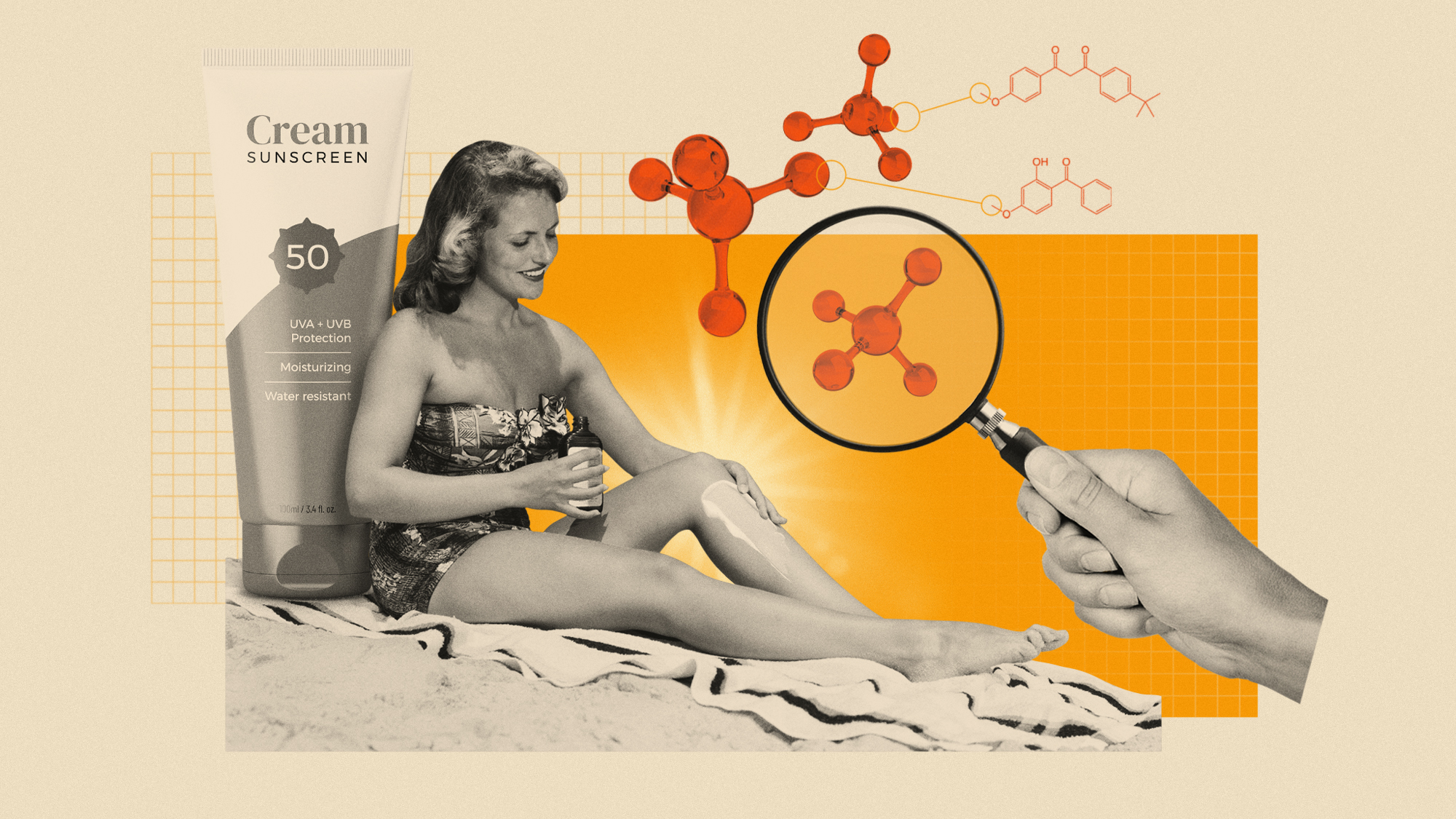
Some people online are saying that sunscreen is bad for you, but doctors and scientists say that's not true.
Sunscreen helps protect your skin from the sun's harmful rays, which can cause cancer and wrinkles.
The people who think sunscreen is bad claim it has bad chemicals, but scientists say there's no proof.
They say that the amount of bad chemicals in sunscreen is very small and that the benefits of using sunscreen outweigh the risks.
The amount of oxybenzone in sunscreen will be reduced in Europe and UK, which some influencers see as proof of their claims.
Using sunscreen can help keep your skin healthy.

Some influencers claim sunscreen ingredients are harmful; dermatologists disagree.
Sunscreen works by absorbing UV light to prevent skin damage and cancer.
High-quality evidence shows sunscreen reduces the risk of skin cancer.
Influencers believe sunscreen contains toxins and may cause vitamin D deficiency.
Studies show no evidence that sunscreen causes cancer, and it has minimal impact on vitamin D levels.
- Who
- Dermatologists, skin cancer specialists, influencers, and scientists.
- What
- The debate over the safety and effectiveness of sunscreen.
- When
- Research on sunscreen safety has been ongoing for years, with specific studies cited from 2001 and 2019.
- Where
- UK and EU
- Why
- To understand the potential health risks and benefits of using sunscreen versus avoiding it.
Anti-Sunscreen View
Pro-Sunscreen View
Toxicity Claims
Anti-Sunscreen View
Sunscreen contains harmful toxins that disrupt hormones.
Pro-Sunscreen View
Scientific evidence has not found this to be the case.
Vitamin D Concerns
Anti-Sunscreen View
Sunscreen causes vitamin D deficiency.
Pro-Sunscreen View
Studies show sunscreen has little impact on Vitamin D levels.
Cancer Concerns
Anti-Sunscreen View
Sunscreen causes cancer.
Pro-Sunscreen View
Zero evidence supports this claim.
- Sunscreen Function
- Absorbs UV light and releases it as heat
- Skin Cancer Risk
- Sunscreen significantly reduces the risk
- Oxybenzone in UK/EU
- Will be reduced to 2.2% from 2026
- Influencer Claims
- Toxins, hormone disruption, and vitamin D deficiency