

Archive · 13 Nov 2025
Periyar Argues Law and Democracy Insufficient to End Caste
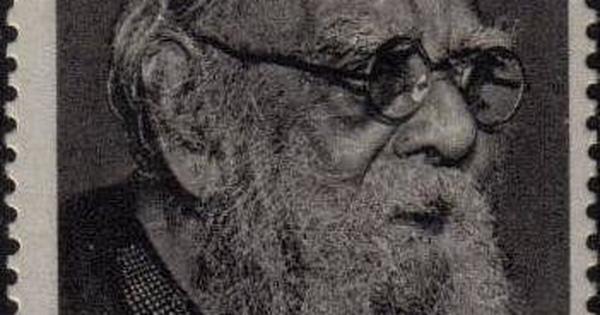
Imagine a world where some people are treated unfairly just because of their family name, like a really old and unfair rule.
A leader named Periyar gave a speech a long time ago saying that just making new laws or having elections won't fix this unfairness.
He felt that many politicians in the government were only looking out for themselves, getting jobs and money, instead of helping everyone.
Periyar thought that to truly get rid of this unfairness, people needed to stop believing in old religious ideas that supported it.
He also felt that the country's rules stopped people from being truly free.
He believed that real change would only happen if people fought for their freedom, even if it meant going to jail or facing big challenges.
He encouraged people to question everything and not just follow the old ways.

Periyar argued that law and democracy are insufficient to end caste degradation in India.
He criticized politicians for prioritizing personal gain, government posts, and bribes over the welfare of backward classes.
Periyar echoed Ambedkar's view that caste would not disappear until religion and the idea of God are abolished.
He believed that the Indian Constitution prevented progress and that true change required radical action, potentially including secession.
Periyar called for a rejection of temples and a mass struggle for an independent Tamil Nadu to achieve self-rule and dignity.
- Who
- Periyar E.V. Ramasamy, a leader advocating for social reform and Dravidian welfare.
- What
- A speech delivered at a caste abolition conference arguing that law and democracy are insufficient to end caste degradation, criticizing the existing political system and religious influence.
- When
- November 2, 1958
- Where
- Srirangam–Tiruvanaikovil, Tamil Nadu
- Why
- Periyar believed that caste degradation cannot be ended through existing legal and democratic frameworks, which he saw as corrupt and self-serving, and that radical societal change, including the abolition of religion, was necessary.
Periyar's View
Alternative/Conventional Approaches
Efficacy of Law and Democracy
Periyar's View
Law and democracy are insufficient and even fraudulent. Politicians in democratic systems prioritize personal gains, government posts, and bribes over genuine social reform and the welfare of backward classes. The Constitution prevents states from seceding, hindering progress.
Alternative/Conventional Approaches
Leaders like Kamaraj and Nehru advocate for participating in democracy through elections to achieve change. The system allows for progress and representation within existing structures.
Root Causes of Caste Degradation
Periyar's View
Caste degradation stems from deeply ingrained ignorance, lack of honor, and the pervasive influence of religion and the idea of God. Periyar emphasizes the need to abolish religion and God to eradicate caste, as suggested by Ambedkar.
Alternative/Conventional Approaches
The article does not explicitly present an alternative view on the root causes of caste degradation but implies that working within the system (democracy, government posts) is a means to address societal problems.
Path to Social Change
Periyar's View
True change requires radical action, including rejecting temples, and possibly achieving an independent Tamil Nadu through mass struggle and willingness to face imprisonment or death. He critiques political parties for collaborating with Brahmins and capitalists.
Alternative/Conventional Approaches
Participating in elections and seeking government posts and legislative positions are presented as ways to gain some influence and benefits, as suggested by leaders like Nehru and Kamaraj.
- Speaker
- Periyar E.V. Ramasamy
- Event
- Caste Abolition Conference ('Free Tamil Nadu' Conference)
- Location
- Srirangam–Tiruvanaikovil
- Date
- November 2, 1958
- Publication
- Viduthalai
- Publication Date
- November 20, 1958