

Archive · 19 Jun 2025
Lobbyists Seek to Stop Trump's 'Revenge Tax'
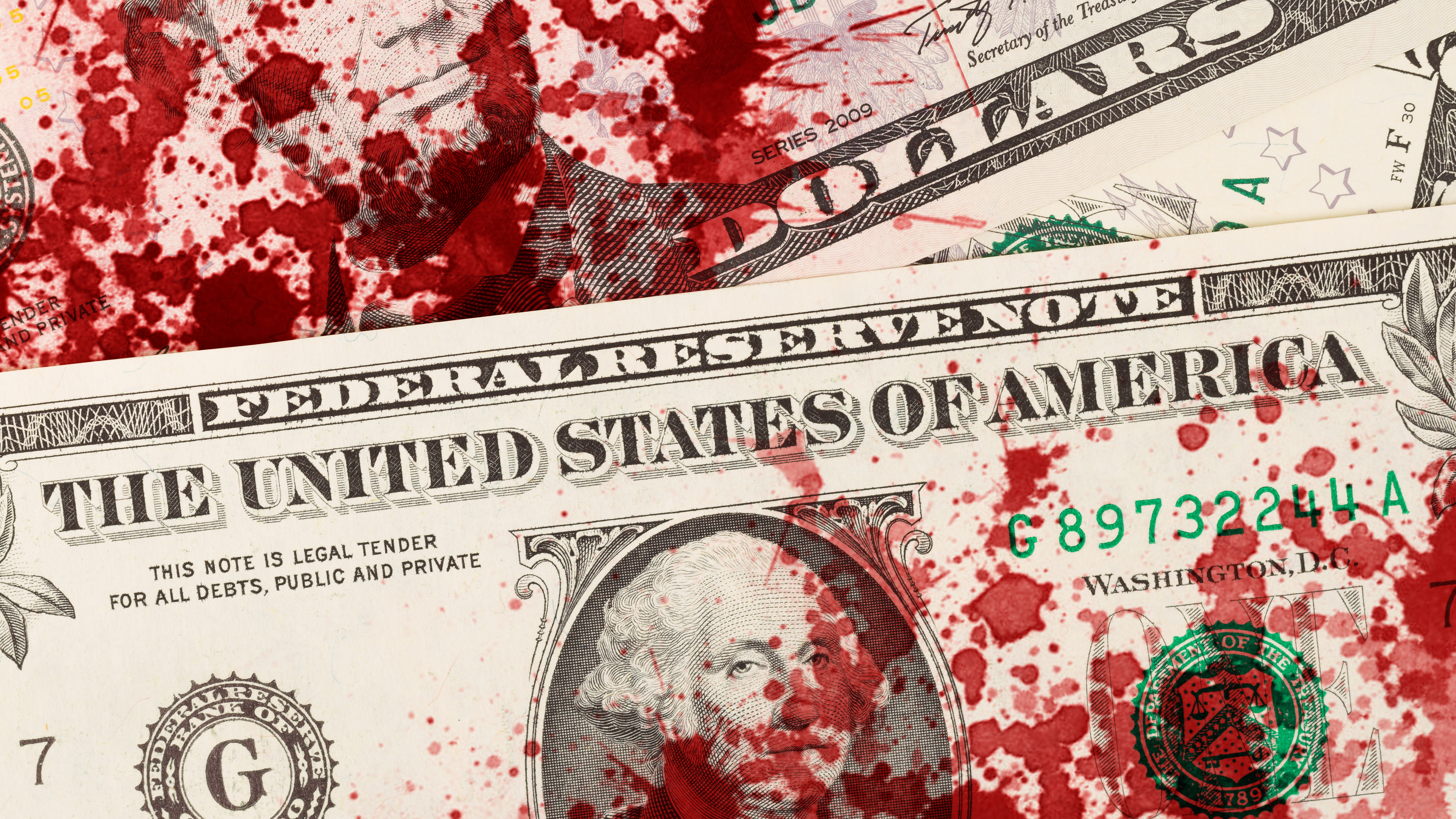
The government is considering a 'revenge tax' that would charge foreign companies if their countries tax American businesses.
Some think this will stop other countries from taxing U.S. companies.
However, others worry it might scare away foreign companies and hurt the economy.
Lobbyists are trying to stop this tax because they believe it could reduce government income and discourage investment.
The goal is to protect U.S. businesses, but there are concerns it might cause more problems than it solves.

GOP budget includes a 'revenge tax' on certain foreign companies.
The tax targets countries taxing U.S. companies, including those with a global minimum tax.
Critics say the tax could deter foreign investment in the U.S.
Proponents argue the tax protects U.S. companies and lets the government advocate for them.
Business lobbyists are working to stop the tax.
- Who
- President Trump, business lobbyists, and foreign companies are involved.
- What
- A proposed 'revenge tax' on foreign companies operating in the U.S.
- When
- Currently part of a GOP budget bill.
- Where
- Affects foreign companies in the U.S.
- Why
- To penalize countries taxing U.S. companies.
Critics' View
Proponents' View
Economic Impact
Critics' View
The tax may deter foreign investment, reducing government revenue.
Proponents' View
The tax protects U.S. companies and allows government to advocate for them.
- Tax Name
- 'Revenge Tax'
- Tax Rate
- Up to 20%
- Target
- Foreign companies
- Purpose
- To punish countries taxing U.S. firms
- Proposed By
- GOP Budget Bill
- Criticism
- Deters foreign investment
- Lobbying
- Business groups are trying to prevent tax.