Archive · 24 Sep 2026
Trump-Xi Summit Leaves India Balancing Opportunities and Risks
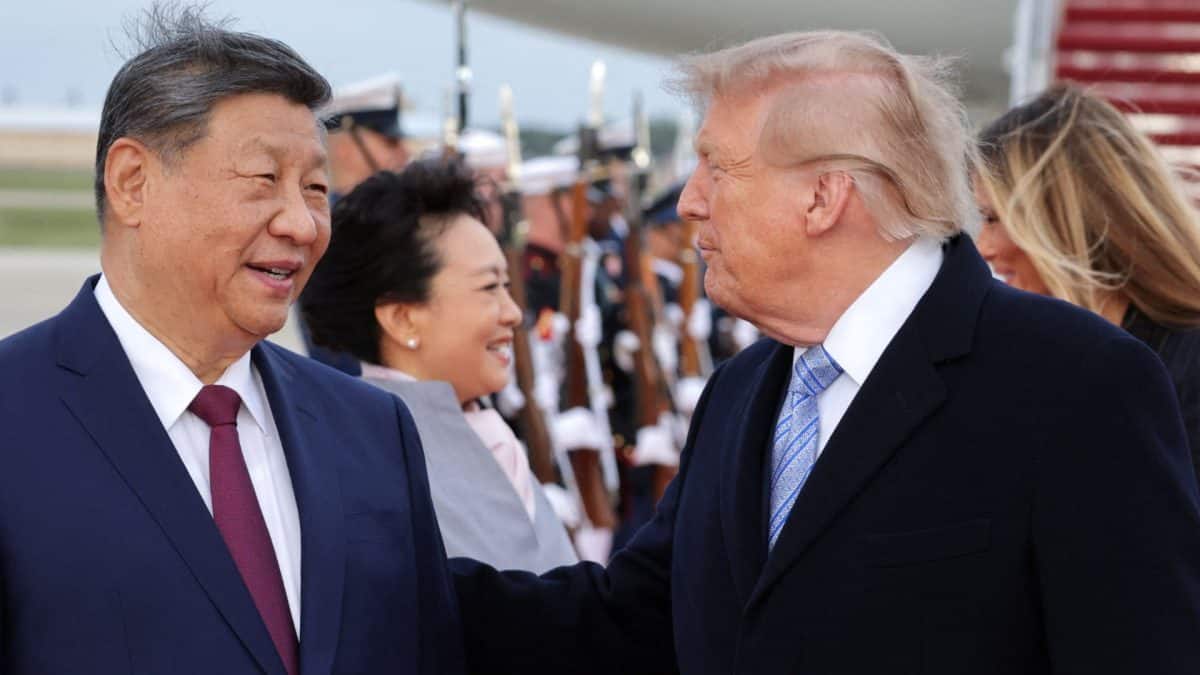
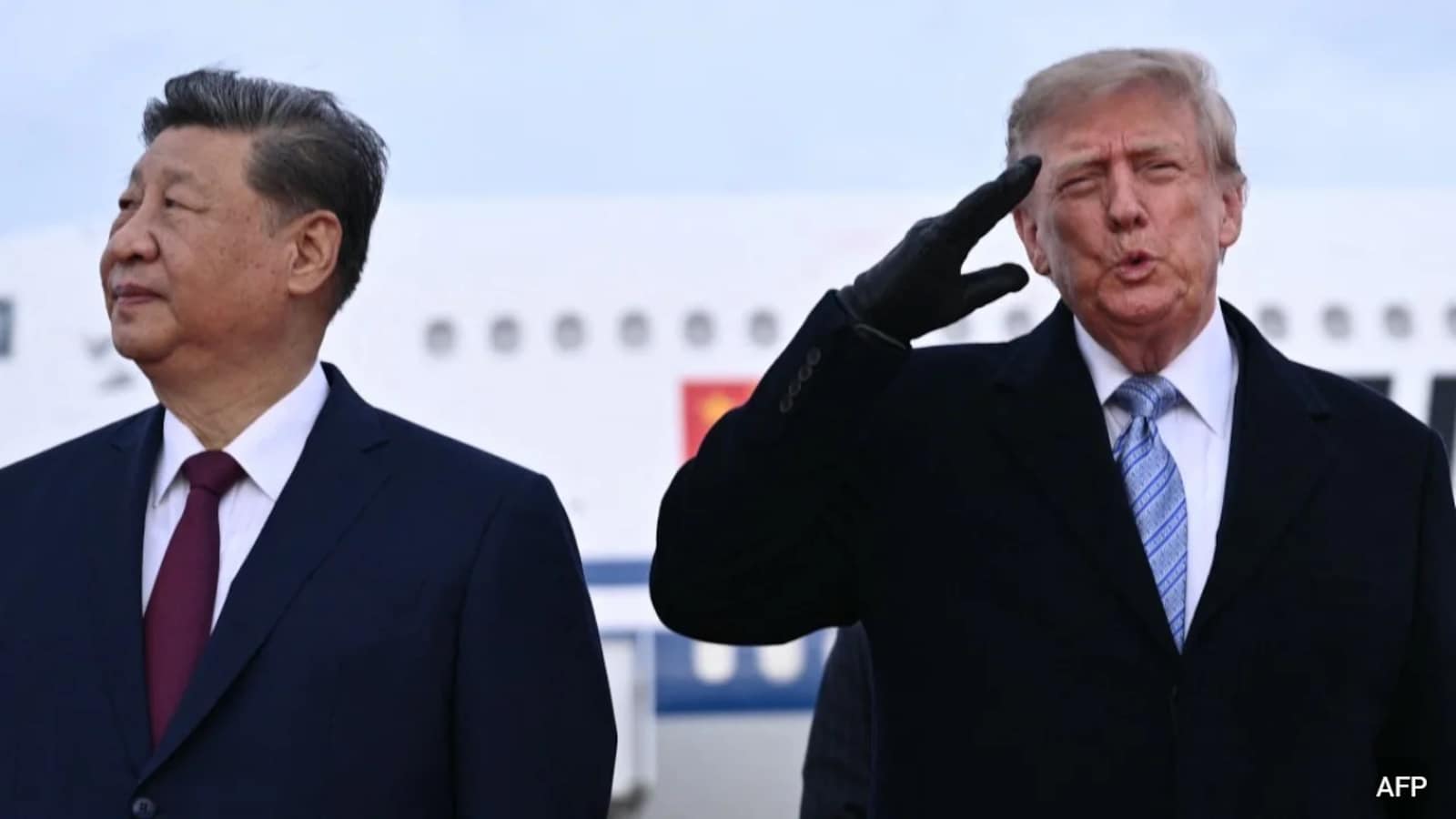
Donald Trump and Xi Jinping met to manage disagreements between the United States and China.
They agreed to keep a temporary pause in their trade fight.
The deal may prevent sudden tariff increases and supply-chain problems.
They also discussed artificial-intelligence safety and agreed to keep military communication open.
India is relieved that the meeting did not create a clear plan for the two powers to divide Asia between themselves.
India may attract companies that want alternatives to making products in China.
However, a calmer relationship could also reduce the urgency to move factories out of China.
India is also watching what the summit means for the Quad, its border with China, and energy prices.
The meeting did not end the deeper competition between Washington and Beijing.

The United States and China extended a trade truce to reduce tariff and supply-chain disruptions.
Washington secured commitments on agricultural exports and critical-mineral access, while Beijing gained tariff relief and pauses on some technology controls.
The leaders opened preliminary channels on artificial-intelligence safety and kept military communication active over Taiwan and regional security.
India could benefit from continued supply-chain diversification, but Chinese tariff advantages could hurt Indian exporters.
The summit reduced immediate fears of a broad U.S.-China condominium while leaving India concerned about the Quad, its border with China, and regional stability.
- Who
- United States President Donald Trump and Chinese President Xi Jinping, with the consequences closely watched by India.
- What
- The leaders extended a trade truce, discussed artificial-intelligence safety and critical minerals, and maintained military communication while managing wider strategic tensions.
- When
- The summit had just concluded after Xi’s three-day state visit; the articles do not provide a specific calendar date.
- Where
- The main bilateral talks took place at the White House in Washington, DC.
- Why
- To limit tariff and supply-chain disruptions, reduce the risk of military miscalculation, and manage ongoing U.S.-China rivalry.
Potential Benefits for India
Strategic and Economic Risks
Risk of a G2 condominium
Potential Benefits for India
The summit’s limited and transactional outcome reduced immediate fears that Washington and Beijing would divide regional spheres of influence without India’s participation.
Strategic and Economic Risks
A closer U.S.-China understanding could still marginalize India diplomatically and allow regional issues to be managed over its head.
Supply-chain diversification
Potential Benefits for India
Because tariffs and technology restrictions were not fully removed, companies may continue seeking manufacturing alternatives to China, benefiting India.
Strategic and Economic Risks
The trade truce may slow capital leaving China, while better tariff terms for Chinese exports could disadvantage Indian exporters.
Indo-Pacific security
Potential Benefits for India
The absence of a sweeping geopolitical settlement may indicate that U.S. efforts to balance China and the Quad remain relevant.
Strategic and Economic Risks
If Washington prioritizes bilateral economic deals over the Quad or softens criticism of Chinese maritime activity, India could face weaker multilateral support and greater regional pressure.
- Trade truce
- The United States and China agreed to extend their existing pause in trade hostilities.
- U.S. commitments
- Washington secured commitments concerning agricultural exports and predictable access to critical minerals.
- Chinese gains
- Beijing received some tariff relief and a pause on several U.S. export controls targeting non-sensitive technology sectors.
- Artificial intelligence
- The countries established preliminary communication channels on AI safety and guardrails.
- Security dialogue
- Both sides kept firm positions on Taiwan and regional maritime issues while agreeing to maintain military-to-military communication.
- India’s economic opportunity
- Persistent U.S.-China rivalry could support the China Plus One strategy and encourage investment in Indian manufacturing.
- India’s strategic concerns
- New Delhi is monitoring the Quad’s future, China’s posture along the disputed Himalayan border, and possible effects on energy prices and shipping.