

Archive · 30 Sep 2026
Infections Linked to One in Eight Global Cancer Cases
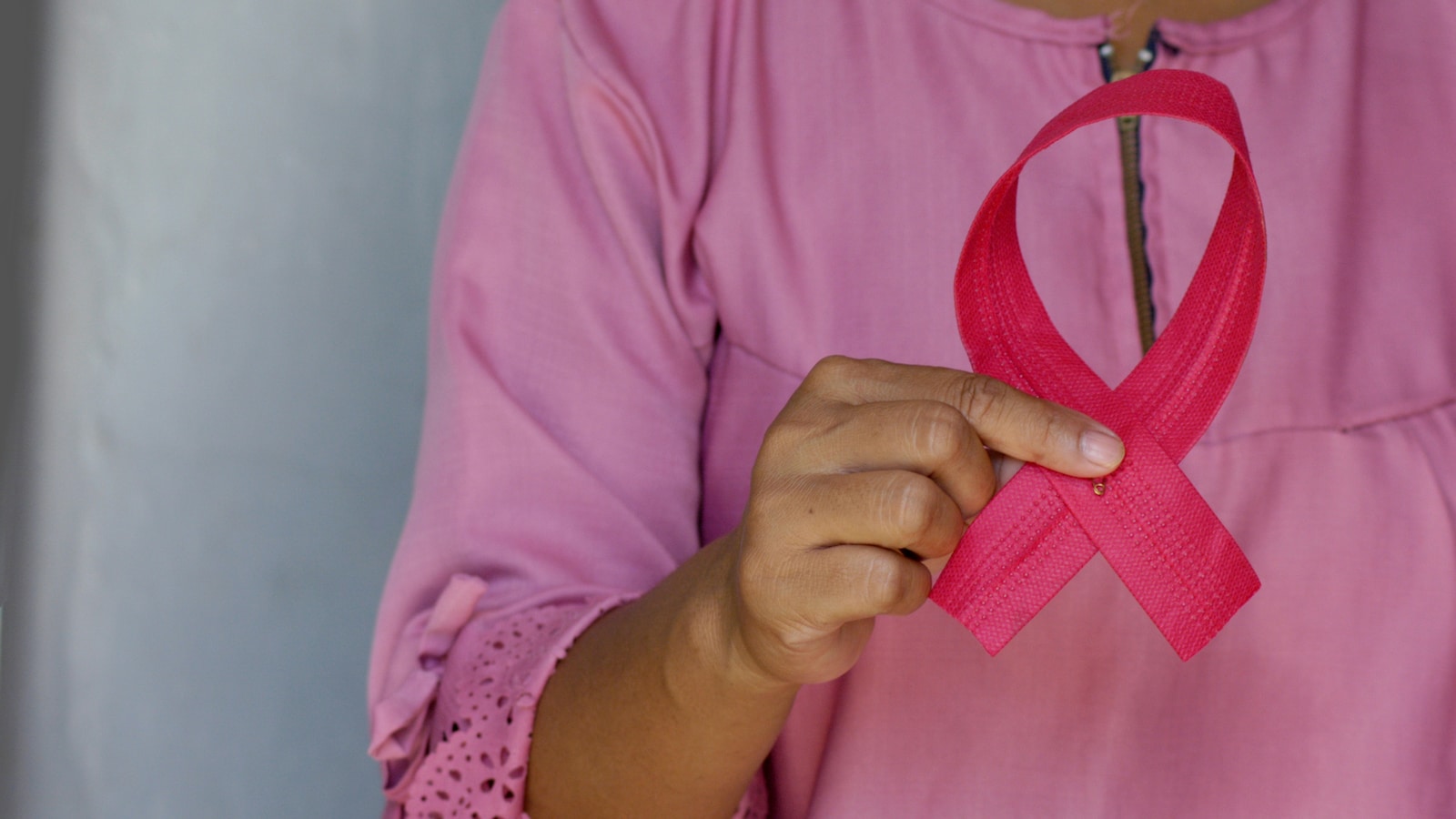
A new study found that some infections can increase a person’s chance of developing cancer.
In 2024, about 2.3 million cancer cases worldwide were linked to infections.
That is around one out of every eight cancer cases.
The main infections involved were H. pylori, HPV, hepatitis B, Epstein-Barr virus and hepatitis C. These infections can sometimes cause long-lasting inflammation or damage to cells.
Not everyone with one of these infections will get cancer.
Vaccines, medical tests, screening and treatments can lower some of the risks.
Many of these cancer cases occurred in low- and middle-income countries where healthcare access can be limited.

An estimated 2.3 million new cancer cases in 2024, or about 12% globally, were linked to infections.
Five infections caused nearly all infection-related cancer cases: H. pylori, HPV, HBV, EBV and HCV.
H. pylori and HPV were the largest contributors, linked to about 760,000 and 750,000 cases respectively.
Approximately 77% of infection-related cancers occurred in low- and middle-income countries.
Vaccination, screening, testing and treatment can help prevent some infection-related cancers.
- Who
- Researchers from the International Agency for Research on Cancer, including Dr Harriet Rumgay, analyzed infection-related cancer cases.
- What
- The study estimated that 2.3 million new cancer cases in 2024 were linked to infections.
- When
- The analysis examined cancer data from 2024.
- Where
- Worldwide, with about 77% of infection-related cancers occurring in low- and middle-income countries.
- Why
- To measure the global cancer burden linked to infections and highlight the prevention benefits of vaccination, screening, testing and treatment.
- Estimated infection-related cases
- 2.3 million new cancer cases worldwide in 2024
- Share of global cancer cases
- About 12%, or roughly one in eight cases
- Main contributing infection
- H. pylori, linked to around 760,000 cases
- Other major contributors
- HPV: about 750,000; HBV: around 360,000; EBV: approximately 260,000; HCV: about 160,000
- Countries carrying the largest burden
- Low- and middle-income countries accounted for about 77% of cases
- Prevention measures
- Vaccination, screening, testing and treatment
- Hepatitis C treatment
- Effective antiviral treatment can cure most HCV infections, but no vaccine currently exists