8 months ago
Study Warns of Microplastics in Bottled Water
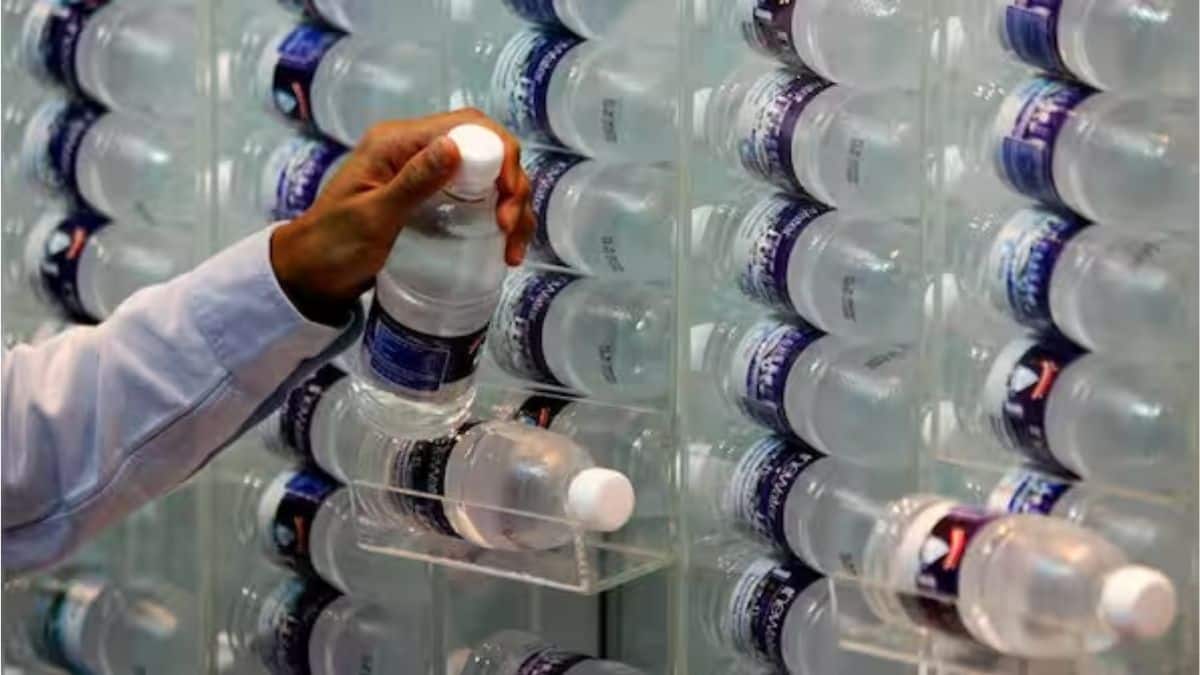
A new study found that people who drink bottled water every day swallow about 90,000 tiny plastic pieces called microplastics each year.
This is way more than the 4,000 microplastics people who drink tap water swallow.
These microplastics can come from the bottles themselves and might be harmful to our health.
They can get into our blood and affect important organs.
The study says we should stop using plastic bottles every day and use tap water instead.
Governments are also trying to make rules to reduce plastic waste, but more needs to be done.
The best way to stay safe is to learn about these risks and avoid using plastic bottles daily.

People drinking bottled water ingest 90,000 microplastics annually, compared to 4,000 from tap water.
Microplastics can enter the bloodstream and affect vital organs, causing health issues.
Plastic bottles shed microplastics during manufacturing, storage, and transportation.
Researchers recommend using tap water and improving water infrastructure to reduce plastic use.
Governments are making laws to limit plastic waste, but more action is needed.
- Who
- Researchers led by Sarah Sajedi
- What
- Study on microplastics in bottled water
- Where
- Conducted by Concordia University researchers
- When
- Published in the Journal of Hazardous Materials
- Why
- To assess health risks of plastic bottles
Key facts
- Microplastics ingested annually
- 90,000 from bottled water, 4,000 from tap water
- Study lead author
- Sarah Sajedi
- Publication journal
- Journal of Hazardous Materials
- Microplastic size range
- 1 micron to 5 millimetres
- Health risks
- Hormonal disruption, chronic inflammation, neurological damage, reproductive issues, cancer
- Recommended alternative
- Tap water and improved water infrastructure
Quotes
Sarah Sajedi
Cofounder of an environmental software company and lead author of the study
“Education is the most important action we can take. People need to understand that the issue is not acute toxicity—it is chronic toxicity.”
 firstpost.com
“Drinking water from plastic bottles is fine in an emergency, but it is not something that should be used in daily life.”
firstpost.com
Researchers
Team of researchers involved in the study
“The review highlights the chronic health issues linked to exposure to nano- and microplastics, including respiratory diseases, reproductive issues, neurotoxicity, and carcinogenicity.”
firstpost.com