Archive · 26 Oct 2025
Bihar's Political Evolution: Congress, Socialists, and Beyond
Bihar's politics has changed a lot since India's first elections.
Initially, Congress was in charge, with Shri Krishna Singh leading the way.
Then, socialist ideas emerged, with leaders like Rammanohar Lohia fighting against Congress.
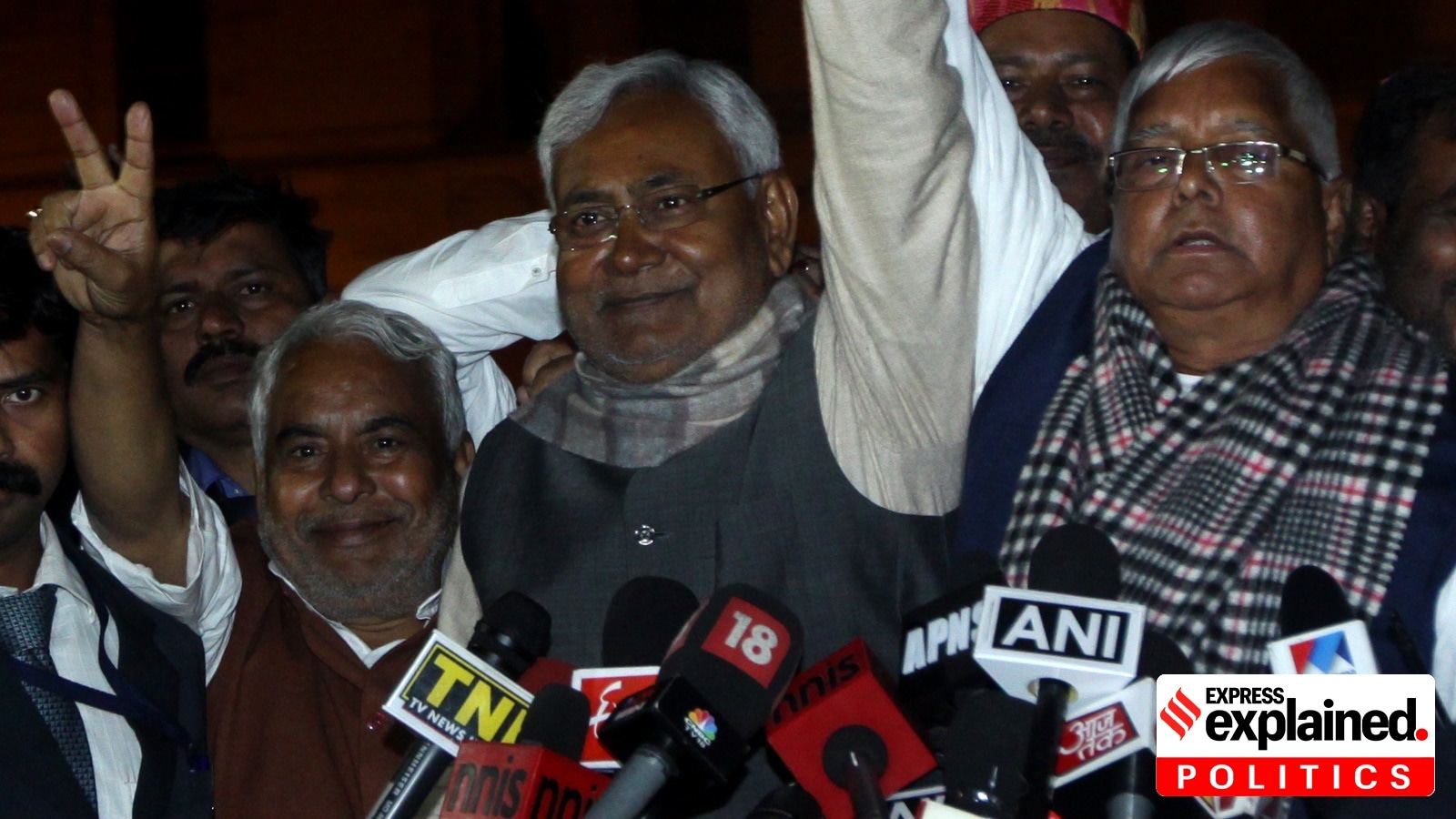
Later, leaders like Lalu Prasad and Nitish Kumar came to power.
Lalu focused on helping the poor, while Nitish focused on development.
Through these changes, Bihar's political landscape shifted with social changes.
The story shows how different leaders and ideas have shaped the state's politics.

Congress dominated Bihar politics for three decades, led by Shri Krishna Singh.
Socialist leaders like Rammanohar Lohia challenged Congress.
The JP Movement in the 1970s led to the rise of socialist politics.
Lalu Prasad and Nitish Kumar have been significant figures.
Bihar's political landscape reflects shifting alliances, social movements, and key figures.
- Who
- Key political figures like Shri Krishna Singh, Lalu Prasad, and Nitish Kumar shaped Bihar's political landscape.
- What
- The evolution of Bihar's politics from Congress dominance to the rise of socialist and OBC leaders.
- When
- From the 1950s to the present day, marked by key events and movements.
- Where
- Bihar, India
- Why
- To illustrate Bihar's political history, marked by shifting alliances, social movements, and key figures.
- Key Figures
- Shri Krishna Singh, Rammanohar Lohia, Lalu Prasad, Nitish Kumar
- Dominant Parties
- Congress, Janata Dal, RJD, BJP
- Key Movements
- JP Movement, Mandal Commission
- Social Changes
- Rise of OBC and EBC politics
- Political Ideologies
- Socialism, Secularism, Development