

Archive · 21 Jan 2026
Smart Rings: Health Benefits and Stress Concerns
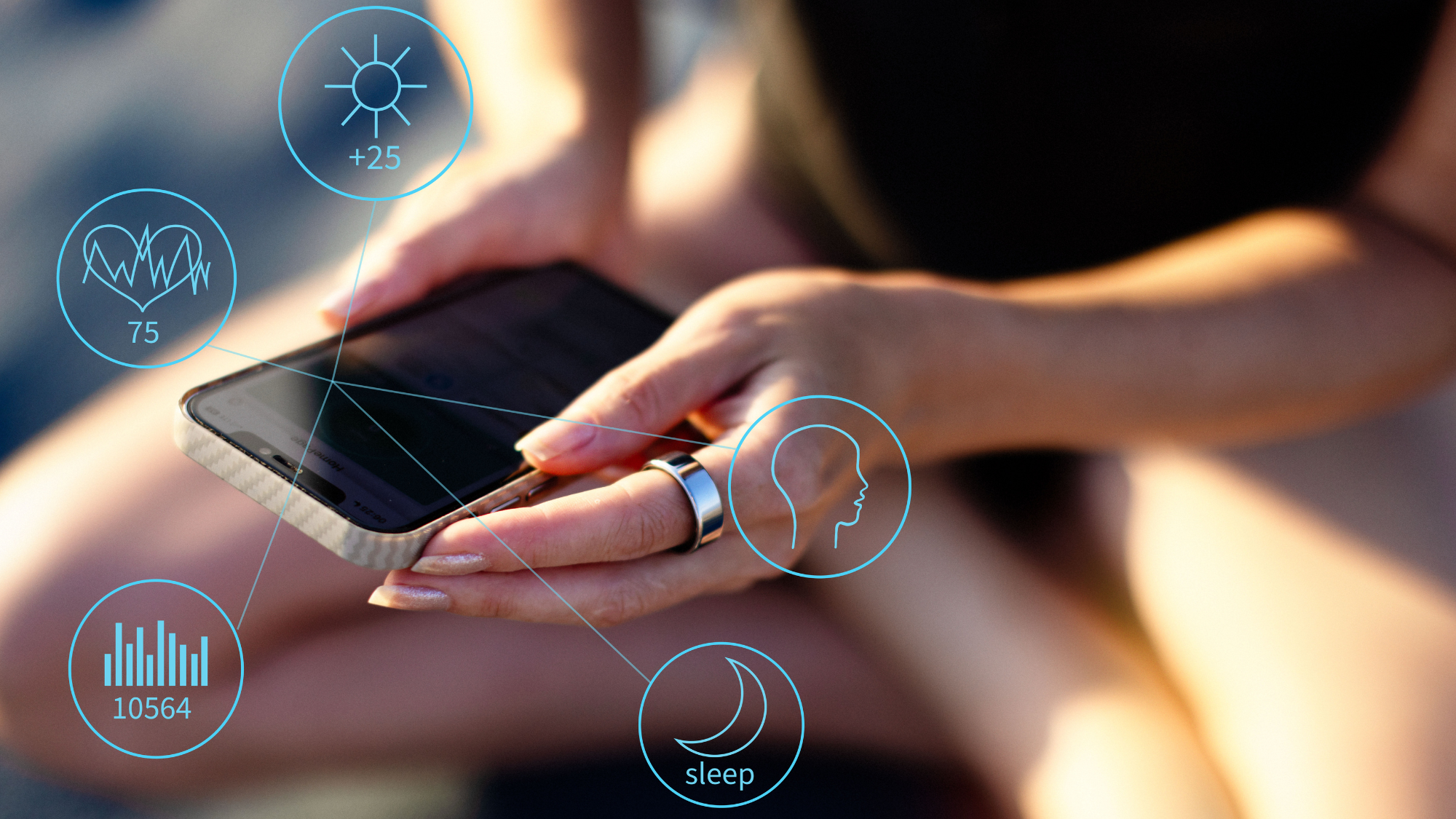
Smart rings, like those made by Oura Health Oy, are popular devices that track various health metrics such as steps, sleep, and heart rate.
They can help people improve their health by providing real-time data.
However, some users experience stress and anxiety from the constant tracking.
Women, in particular, may feel more psychological strain due to physiological differences.
While these devices can be beneficial, they can also lead to hypervigilance and obsessive behavior.
The long-term effects of constant health tracking are still unknown.
Experts suggest that the impact of these devices varies from person to person, and it's important to use them in a healthy way.

Oura Health Oy sold 5.5 million smart rings in 2025, with a valuation of $11 billion.
88% of survey participants reported health improvements after using the Oura Ring for 30 days.
Smart rings track metrics like steps, sleep, hormonal health, and heart-rate variability (HRV).
Constant tracking can lead to health anxiety, hypervigilance, and stress, especially in women.
HRV monitoring helps users understand their stress levels and make lifestyle changes.
- Who
- Oura Health Oy and users of smart rings
- What
- The impact of smart rings on health and well-being
- When
- 2025 (sales data), ongoing (health tracking trend)
- Where
- Global market
- Why
- To monitor health metrics and improve well-being, but with potential psychological impacts
- Company
- Oura Health Oy
- Devices Sold
- 5.5 million (2025)
- Valuation
- $11 billion (£8.2 billion)
- Survey Participants
- 699 Oura members
- Improvement Rate
- 88%
- Key Metrics Tracked
- Steps, sleep, hormonal health, heart-rate variability
- Potential Psychological Impact
- Health anxiety, hypervigilance
- Key Benefit
- Heart rate variability (HRV) monitoring