Archive · 23 Sep 2026
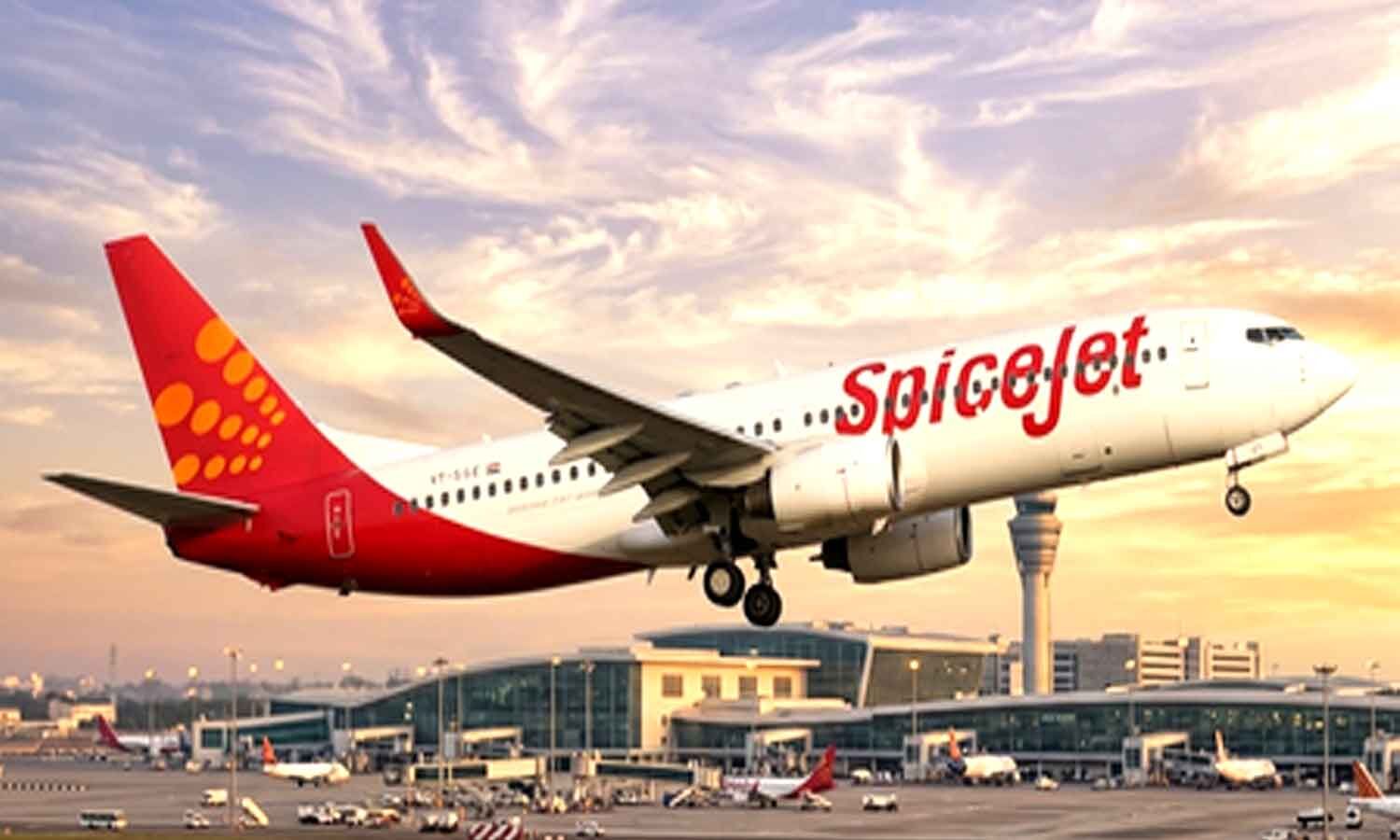
India Puts SpiceJet Under Operational and Financial Scrutiny
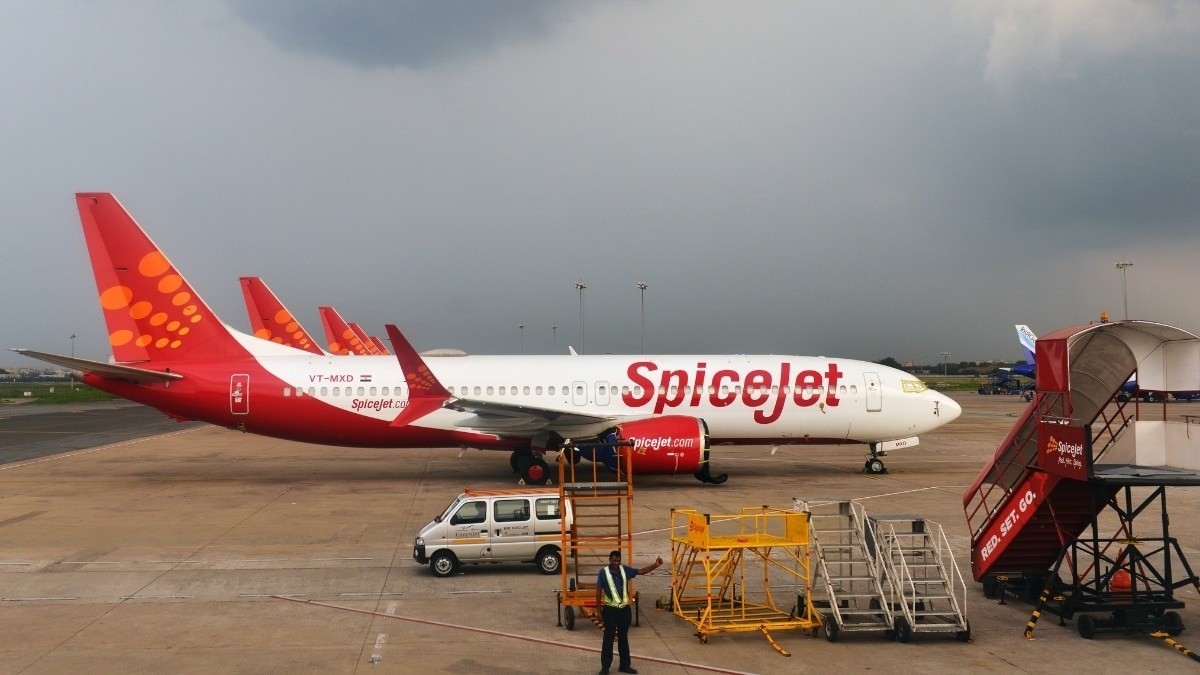
India is checking SpiceJet’s flights and finances more closely.
The aviation regulator, called the DGCA, is helping with the review.
Officials want to make sure the airline’s money problems do not make flying unsafe.
SpiceJet has faced cash shortages, delayed salary payments, fewer aircraft and a smaller share of domestic flights.
Higher fuel prices and problems linked to the West Asia conflict have added pressure.
The government says it has limited power to directly manage a privately owned airline.
SpiceJet has received ₹150 crore through a government-backed support program, according to the aviation minister.
The airline also plans to use 20 leased aircraft to increase its flights.

India’s aviation ministry and DGCA are reviewing SpiceJet’s operations and finances to prevent safety lapses.
Civil Aviation Minister K Ram Mohan Naidu said passenger safety and uninterrupted operations remain the government’s priorities.
SpiceJet faces cash-flow problems, delayed staff salaries, rising fuel costs, a shrinking fleet and falling domestic market share.
The minister said SpiceJet received ₹150 crore under the government-backed Emergency Credit Line Guarantee Scheme, although reports also described the airline as seeking further support.
SpiceJet has finalised leases for 20 aircraft—15 Boeing and five Airbus planes—to expand operations during the winter schedule.
- Who
- Civil Aviation Minister K Ram Mohan Naidu, India’s aviation ministry, the Directorate General of Civil Aviation and SpiceJet.
- What
- Authorities are conducting operational and financial scrutiny of SpiceJet while the airline seeks to stabilize its finances and restore capacity.
- When
- The minister made the remarks on Tuesday; the reports were published on September 22, 2026.
- Where
- New Delhi, India, with the review covering SpiceJet’s domestic aviation operations.
- Why
- To ensure that SpiceJet’s financial and operational difficulties do not compromise regulatory compliance, passenger safety or flight operations.
Stronger regulatory oversight
Limits on government intervention
Role of authorities
Stronger regulatory oversight
The ministry and DGCA should closely review SpiceJet’s finances and operations so that financial stress does not affect safety, compliance or passenger service.
Limits on government intervention
Naidu said the government is engaging with SpiceJet but has limits on how far it can intervene because the airline is privately run.
Addressing the airline’s financial pressure
Stronger regulatory oversight
Government-backed ECLGS support, including ₹150 crore reportedly received by SpiceJet, can help airlines manage financial difficulties caused by wider industry pressures.
Limits on government intervention
SpiceJet must stabilize its own business, improve its finances and restore capacity, while government assistance remains limited.
- Airline
- SpiceJet
- Reviewing bodies
- India’s aviation ministry and the Directorate General of Civil Aviation
- Minister
- K Ram Mohan Naidu
- Reported government support
- ₹150 crore under the Emergency Credit Line Guarantee Scheme
- Sector support
- ECLGS 5.0 allocated ₹5,000 crore in targeted credit support for aviation
- Domestic market share
- SpiceJet’s share fell to 1.6% in July from 1.9% in June; it was 3.9% in February
- Planned fleet addition
- 20 leased aircraft—15 Boeing and five Airbus planes—for winter operations
Sources
Aviation watchdog DGCA launches operational, financial audit of SpiceJet to prevent safety lapses
SpiceJet's Operations, Finances Under Govt Watch: Aviation Minister Ram Mohan Naidu

Aviation ministry puts SpiceJet under operational and financial watch
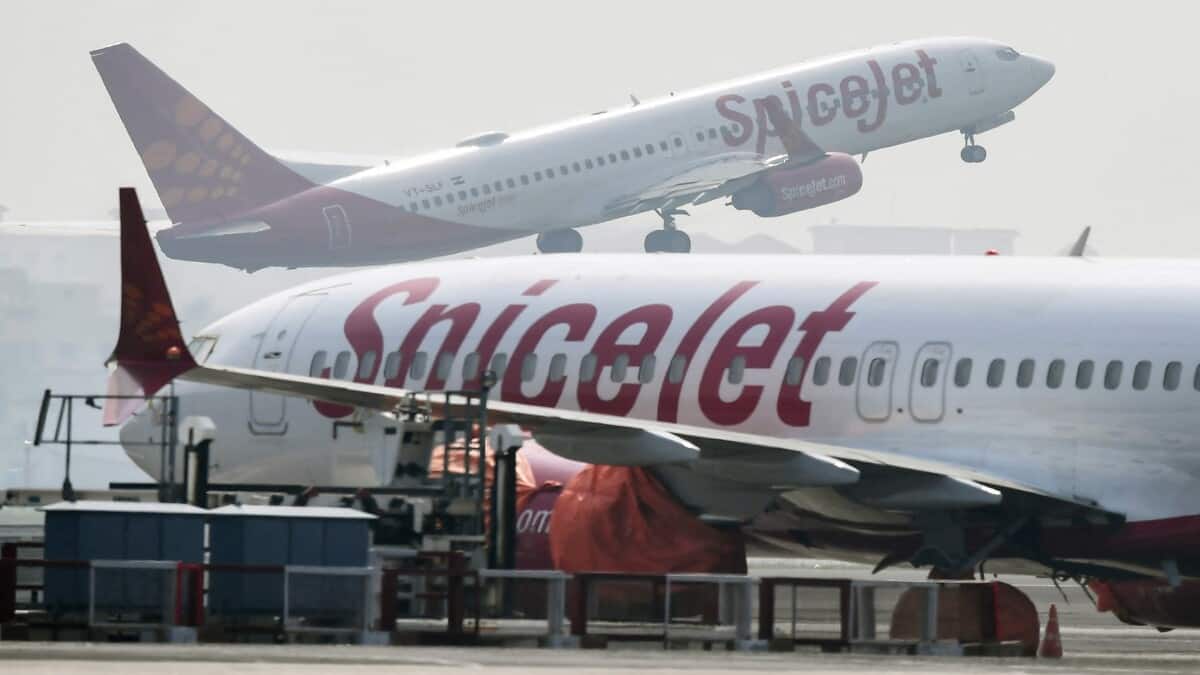
SpiceJet under operational, financial scrutiny as cash crunch deepens
DGCA conducting operational, financial scrutiny of SpiceJet: Aviation minister Ram Mohan Naidu