

Archive · 20 Jul 2026
India's Textile Trade: Historical Dominance and Future Challenges
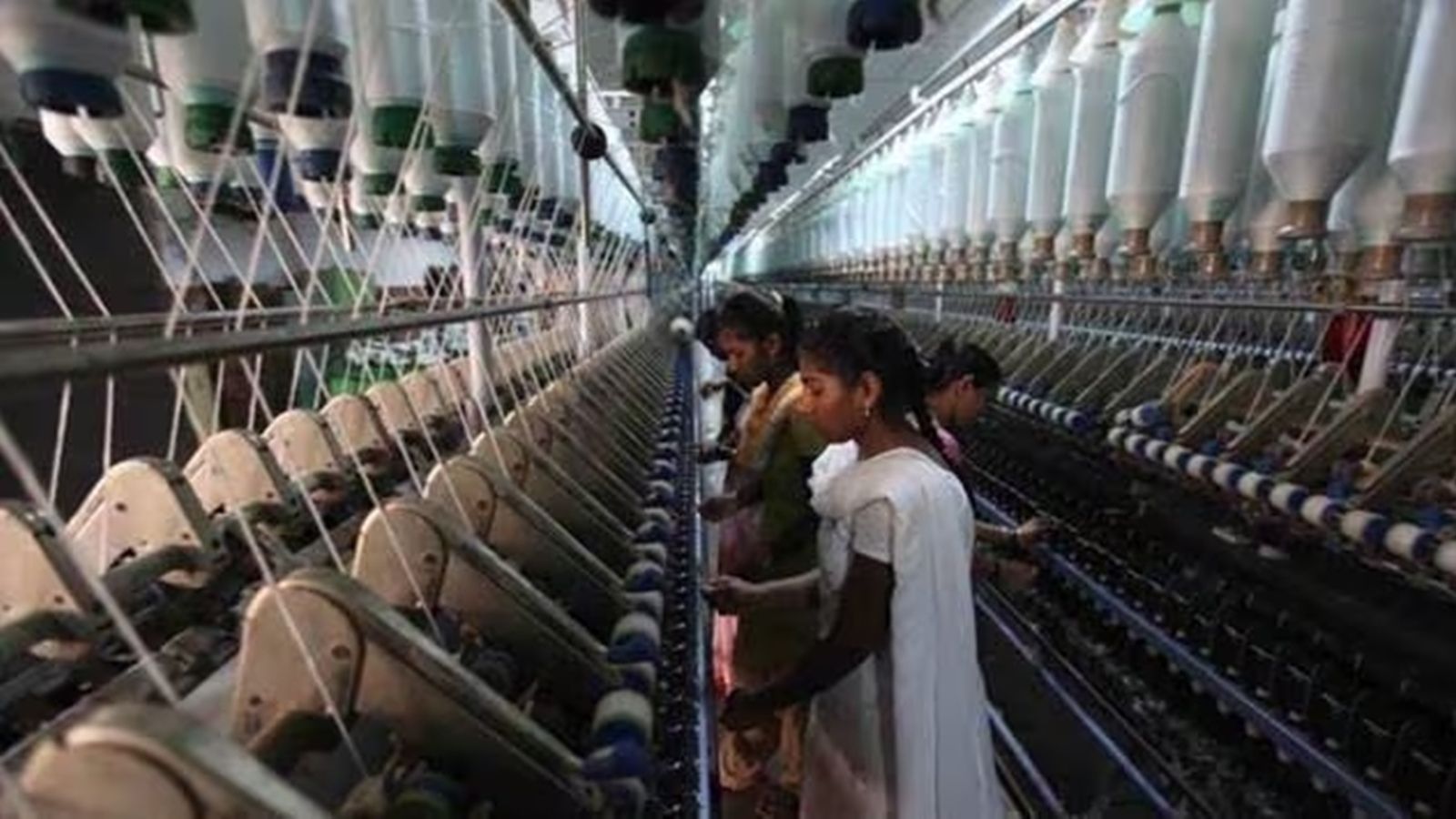
India was once a leader in the textile trade, but lost its dominance due to the Industrial Revolution.
Today, India's textile industry is trying to make a comeback.
The industry is important because it creates many jobs.
However, India's share of the global apparel market is only about 3%, while countries like Bangladesh and Vietnam have seen significant growth.
To compete, India needs to improve its infrastructure, finance, labor skills, and market access.
The government has plans like PM-MITRA parks to help.
The future of India's textile industry depends on how well it can build an ecosystem that supports fast, large-scale production and trade.

India's textile industry has deep historical roots and significant economic importance.
India's share of global apparel exports has stagnated at around 3% for over two decades.
Competitors like Bangladesh and Vietnam have seen significant growth in their shares of the global market.
India needs to improve scale, capital, labor, and market access to compete globally.
Government initiatives like PM-MITRA parks aim to create an integrated ecosystem for competitiveness.
- Who
- India's textile industry and government
- What
- Efforts to revive India's dominance in the global textile trade
- When
- Historically significant, with current efforts ongoing
- Where
- India, with comparisons to China, Bangladesh, and Vietnam
- Why
- To increase India's share in the global apparel market and create jobs
- Historical Significance
- Textiles shaped India's civilization for millennia
- Global Share
- India's share of global apparel exports is around 3%
- Employment Impact
- Apparel generates 153 jobs per Rs 1 crore invested
- Fiber Mix
- India's textile industry is 60% cotton, 40% non-cotton
- Government Ambition
- $100 billion in Textile and Apparel exports by 2030
- Competitor Comparison
- Bangladesh's share rose from 2.2% to 9%
- Key Initiatives
- PM-MITRA parks for integrated competitiveness
- Currency Undervaluation
- Chinese yuan undervalued by 16-30%