

3 days ago
From Shuddhi to Ghar Wapsi: India’s Purification Debate
A practice called shuddhi became popular in northern India more than 100 years ago.
The Arya Samaj used it to bring people from other religions into the Hindu fold.
At the time, many leaders worried that census numbers showed Hindus losing strength through conversions.
Shuddhi later became a mass activity, including efforts aimed at Dalits and groups believed to have once been Hindu.
Muslims, Christians and Sikhs opposed or responded to these activities in different ways.
Some Arya Samaj members also opened schools and tried to fight untouchability.
However, some Dalits later created their own movement because they felt the Arya Samaj still treated them unequally.
The RSS later used the term Ghar Wapsi, or homecoming, for similar efforts.
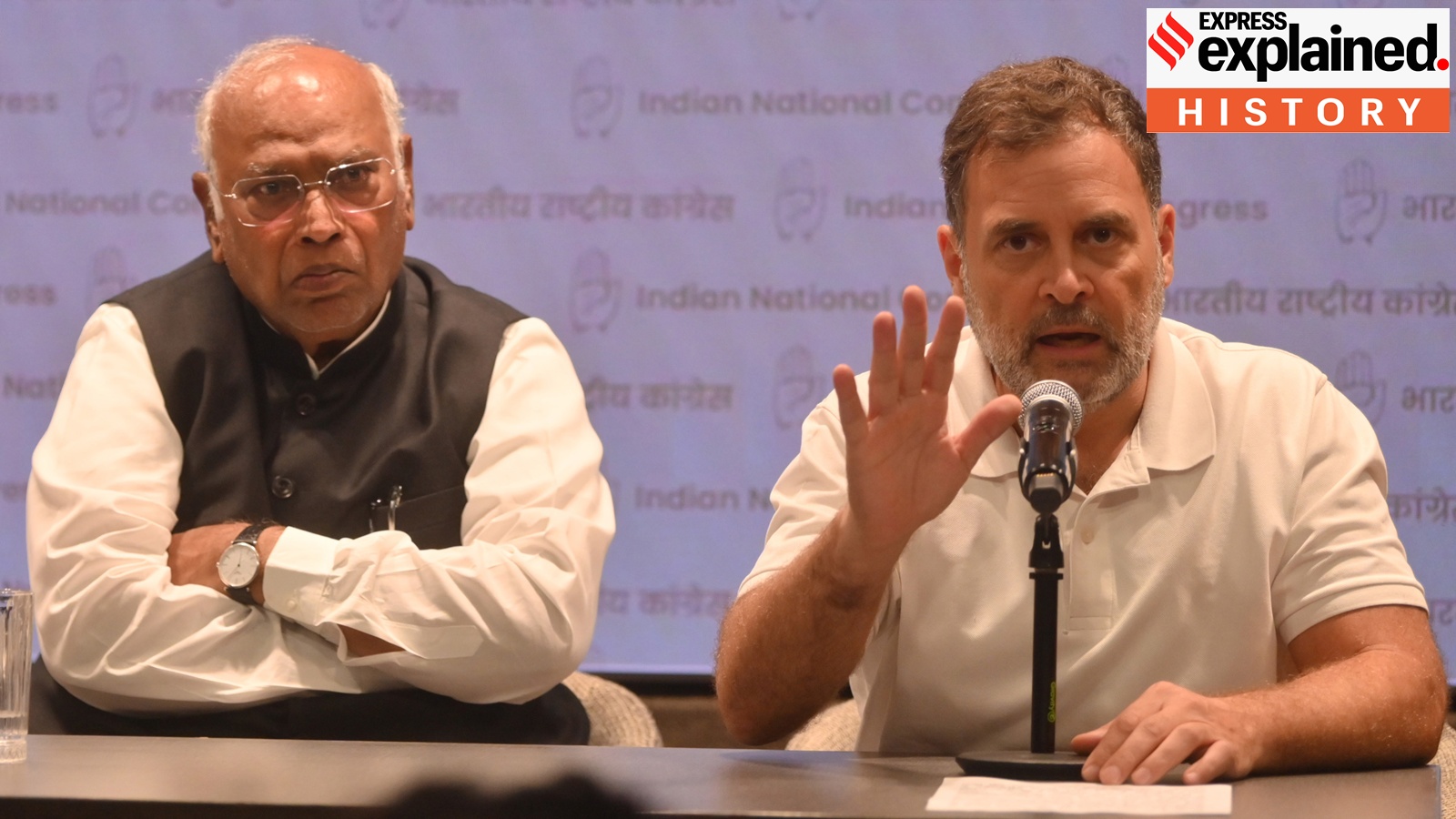
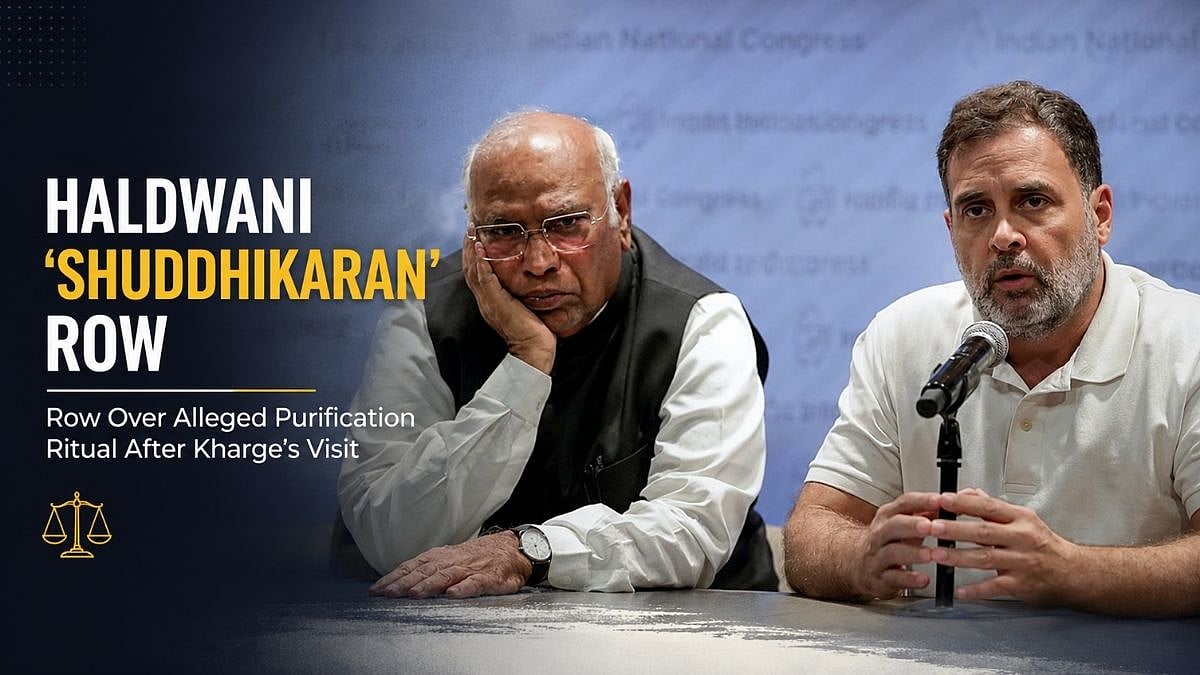
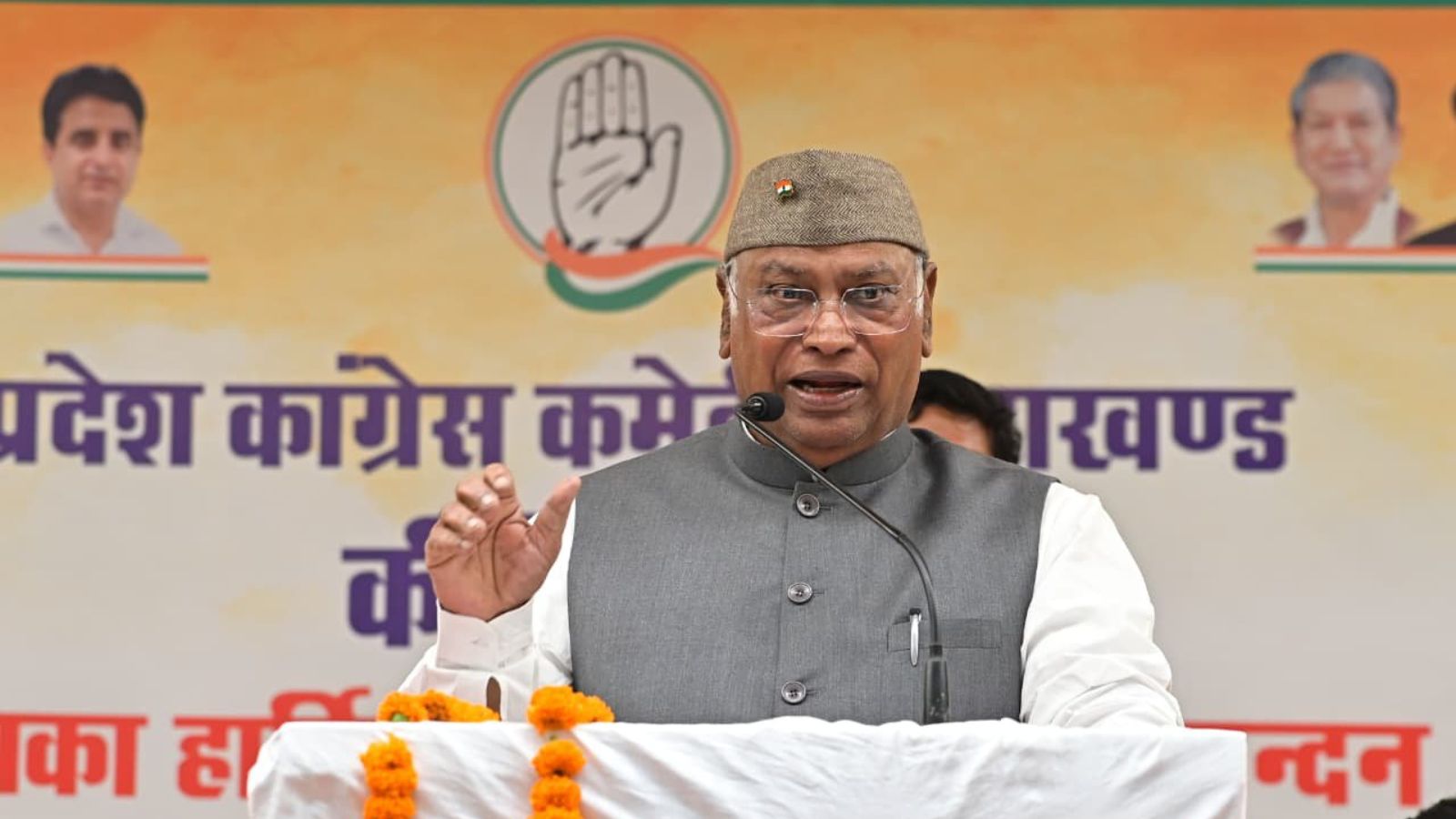
The modern controversy began after a site in Haldwani was reportedly purified following Mallikarjun Kharge’s speech.

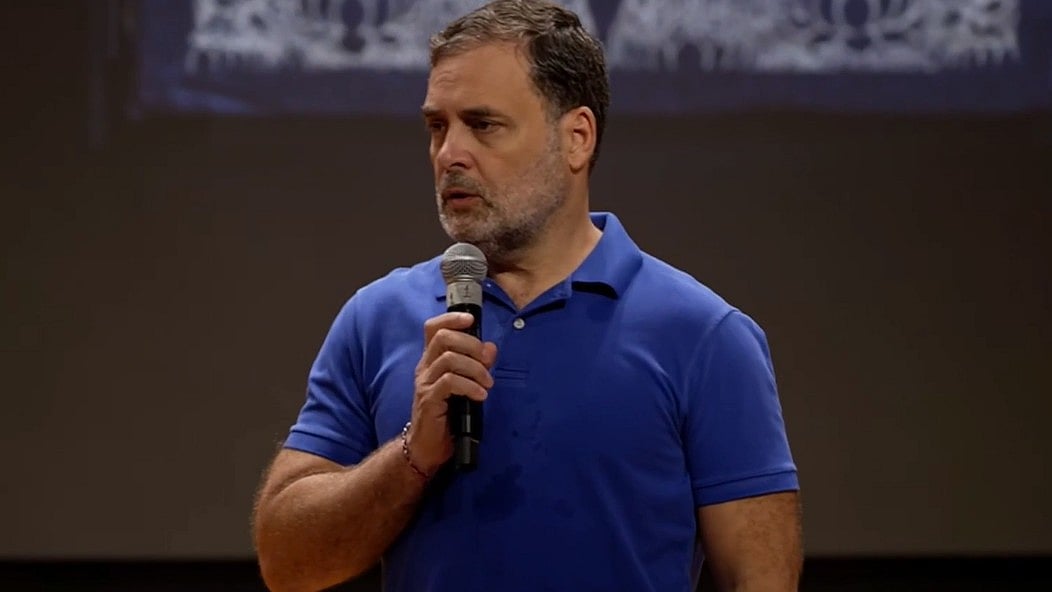
Rahul Gandhi called the purification of Haldwani’s Ramlila Maidan an instance of untouchability.
Shuddhi was popularised by the Arya Samaj in the late 19th century amid concerns over Hindu population numbers and religious conversion.
The practice evolved from individual ceremonies into mass efforts involving Dalits and communities believed to have converted from Hinduism.
Shuddhi generated opposition among Muslims, Christians and Sikhs, contributing to competing conversion and counter-conversion movements.
The RSS later promoted Ghar Wapsi and welfare work, while critics questioned whether the language of purification itself stigmatized people.
- Who
- Congress president Mallikarjun Kharge, Congress leader Rahul Gandhi, the Uttarakhand government, the BJP, the Arya Samaj and later the RSS are central to the account.
- What
- The report examines the historical development of shuddhi and the modern controversy over the purification of a Ramlila ground after Kharge’s speech.
- Where
- The recent controversy concerns Ramlila Maidan in Haldwani, Uttarakhand; the historical movement was especially influential in northern India, including Punjab and Uttar Pradesh.
- When
- The modern incident occurred on a Saturday; the historical account spans from the late 19th century through the 20th century and later developments.
- Why
- Shuddhi emerged amid concerns about religious conversion, community population numbers and the social position of Dalits; the recent dispute concerns whether purification language reflects untouchability.
Critics of Purification Practices
Supporters and Historical Advocates
Meaning of purification
Critics of Purification Practices
Critics argue that calling people or places impure reinforces untouchability and stigmatizes communities.
Supporters and Historical Advocates
Advocates historically presented shuddhi as a way to retain or restore people within the Hindu community and respond to religious conversion.
Treatment of Dalits
Critics of Purification Practices
Dalit critics and later the Aad Dharm movement questioned whether Arya Samaj efforts genuinely overcame caste hierarchy and objected to being treated as people needing purification.
Supporters and Historical Advocates
A section of the Arya Samaj, including the Mahatma Party, sought mass shuddhi of 'untouchables' and opened schools for children from subordinated castes.
Religious competition
Critics of Purification Practices
Muslim, Christian and Sikh groups viewed shuddhi campaigns as threatening conversion efforts and developed counter-movements or expressed opposition.
Supporters and Historical Advocates
The Arya Samaj and later the RSS treated conversion prevention and community retention as important social and religious objectives.
Key facts
- Recent controversy
- The Ramlila Maidan in Haldwani was reportedly purified after Mallikarjun Kharge’s speech.
- Political criticism
- Rahul Gandhi accused the Uttarakhand government and BJP of an instance of untouchability.
- Historical origin
- The Arya Samaj popularised shuddhi in the late 19th century.
- Ritual detail
- Some shuddhi ceremonies involved Panchgavya: milk, curd, ghee, urine and dung.
- Mass campaigns
- Shuddhi expanded from individual ceremonies to mass efforts involving Dalits and other communities.
- Later terminology
- The RSS used Ghar Wapsi, or homecoming, in campaigns against conversion, particularly in tribal areas.
Quotes
Colonel UN Mukherjee
A colonial-era official whose demographic argument influenced concerns about Hindu population decline
“within the next 420 years, the Indo-Aryan race would be wiped off the face of the earth unless steps were taken to save it”
 indianexpress.com
Sources
Related news
Haldwani Purification Allegation Rekindles Debate Over Caste Prejudice
Rahul Gandhi Seeks FIR Over Haldwani Purification Ritual
Congress, BJP clash over 'shuddhikaran' row after Kharge's Haldwani rally
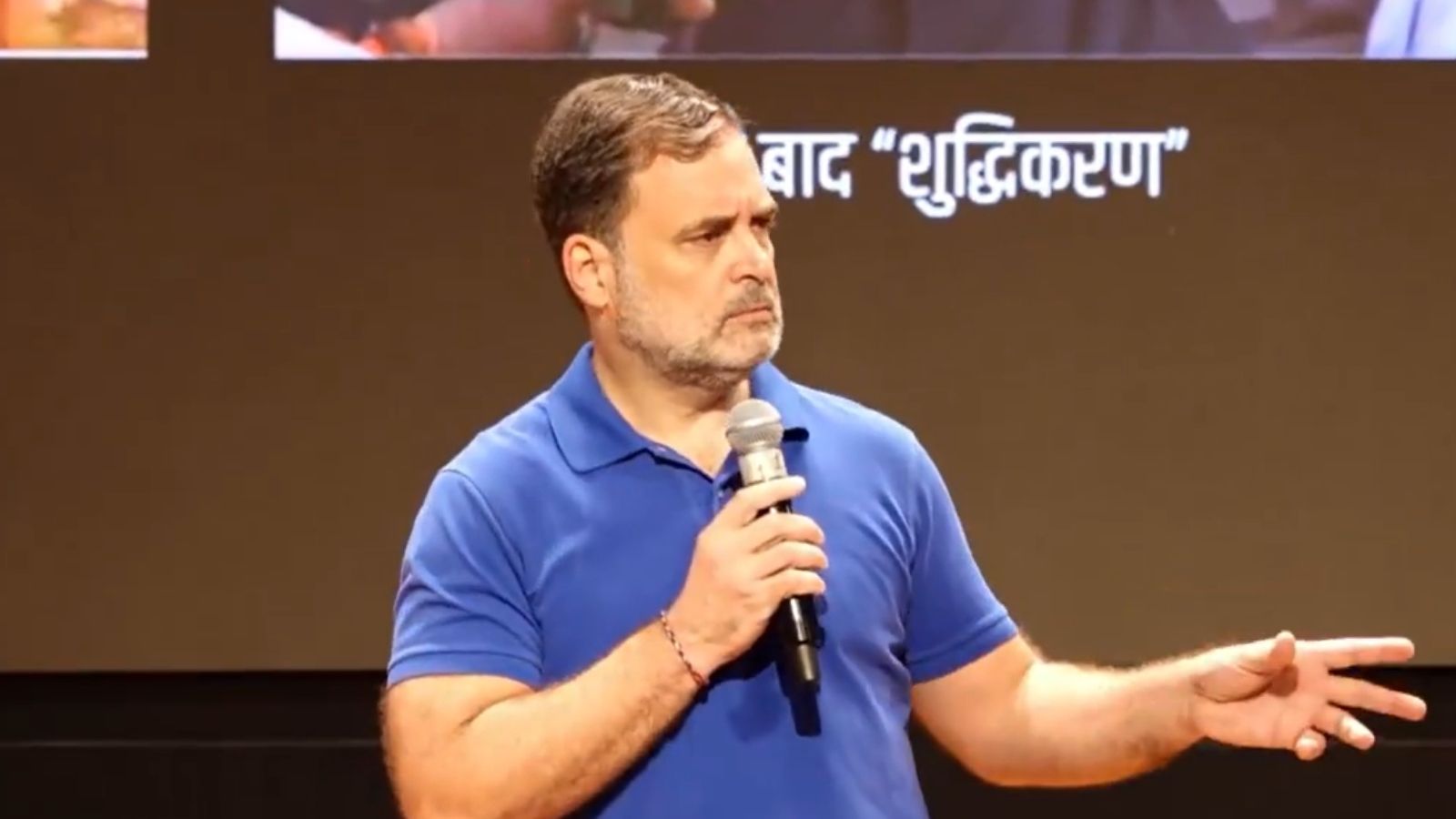
Rahul Gandhi Demands FIR Over Haldwani Purification Row
Tharoor Calls Kharge Purification Row Evidence of BJP Discrimination
Kharge Alleges Purification Ritual; Rajya Sabha Chairman Orders Probe
