

Archive · 23 Jul 2026
Rubio: India Did Not Raise Drug Tariff Concerns
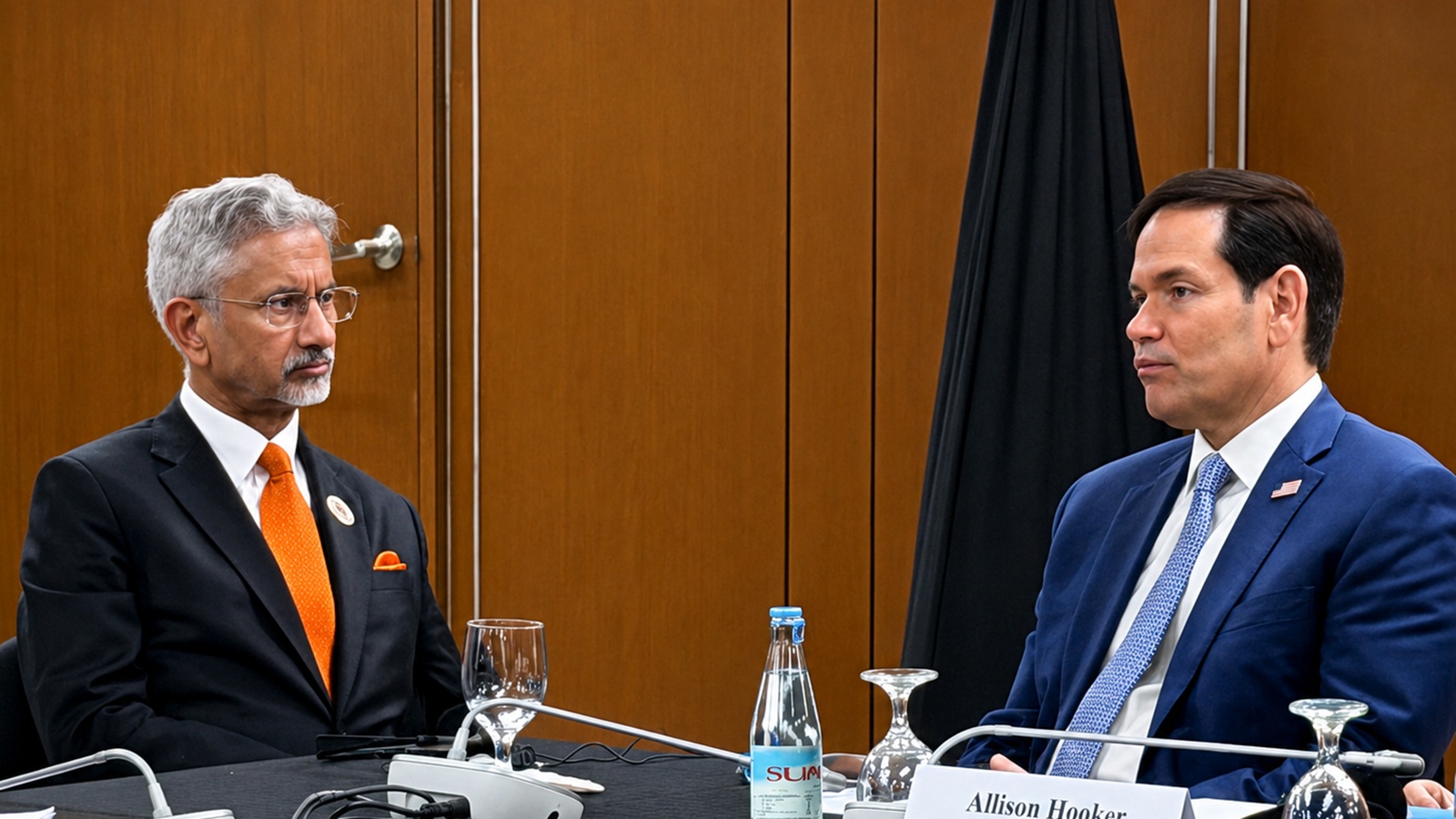
US Secretary of State Marco Rubio and Indian External Affairs Minister S. Jaishankar met in Manila on July 22, 2026.
They talked about important topics like trade, tariffs, energy, defence, and artificial intelligence.
Rubio mentioned that India did not raise concerns about the US's proposed tariffs on generic drugs.
The US expects India to be concerned but respects their decision.
They also discussed the West Asia crisis and its impact on global fuel supplies.
The meeting was part of their participation in the ASEAN and Quad grouping discussions.

US Secretary of State Marco Rubio and Indian External Affairs Minister S. Jaishankar met in Manila on July 22, 2026.
They discussed trade, tariffs, energy, defence, critical minerals, artificial intelligence, and the West Asia crisis.
Rubio stated that India did not raise concerns about the proposed tariffs on generic drugs.
The US expects India to be concerned but respects their decision not to raise the issue.
They also exchanged views on the West Asia crisis and its impact on global fuel supplies.
- Who
- US Secretary of State Marco Rubio and Indian External Affairs Minister S. Jaishankar
- What
- Discussion on trade, tariffs, energy, defence, critical minerals, artificial intelligence, and the West Asia crisis
- When
- July 22, 2026
- Where
- Manila, Philippines
- Why
- To discuss priority areas and strategic partnership between India and the US
India's Stance
US Stance
Tariff Concerns
India's Stance
India did not raise concerns about the proposed tariffs during the meeting.
US Stance
The US expects India to be concerned about the tariffs but respects their decision not to raise it.
- Meeting Location
- Manila, Philippines
- Meeting Date
- July 22, 2026
- Participants
- US Secretary of State Marco Rubio and Indian External Affairs Minister S. Jaishankar
- Topics Discussed
- Trade, tariffs, energy, defence, critical minerals, artificial intelligence, West Asia crisis
- Proposed Tariff Plan
- 0% for two years, then 100% for one year, and 200% thereafter
