Archive · 25 Sep 2026
IIT Bombay Reconsiders Discipline After Sahil Wakode’s Suicide
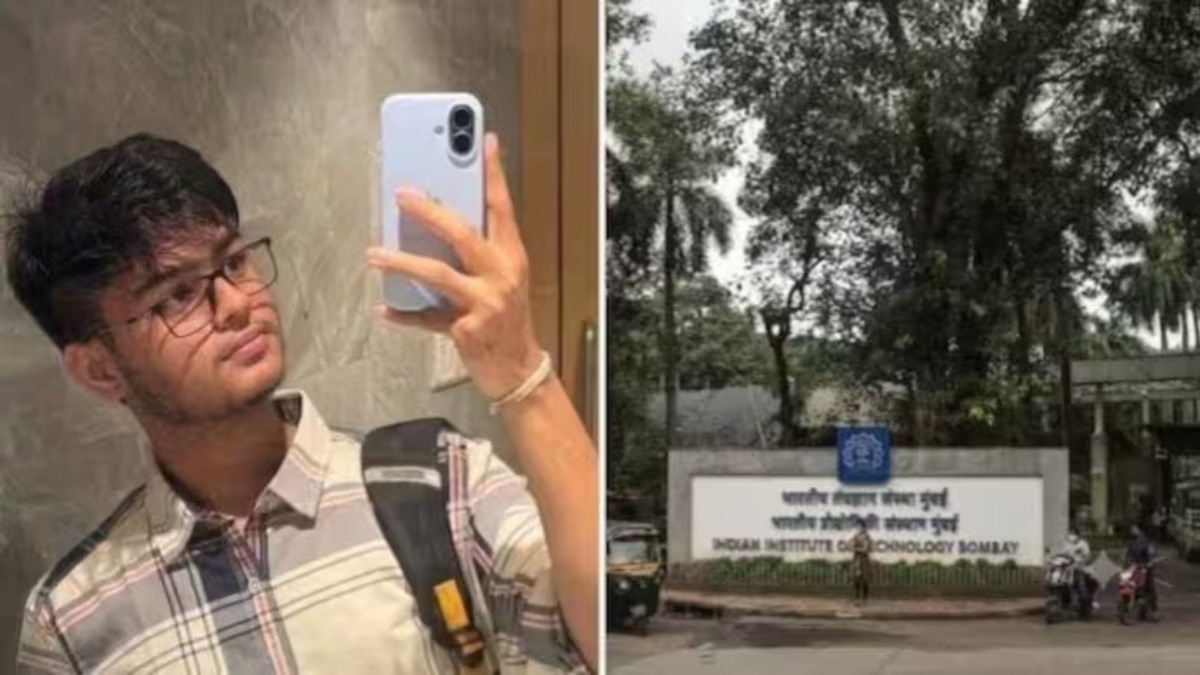
IIT Bombay is reviewing how it handles students suspected of breaking exam rules.
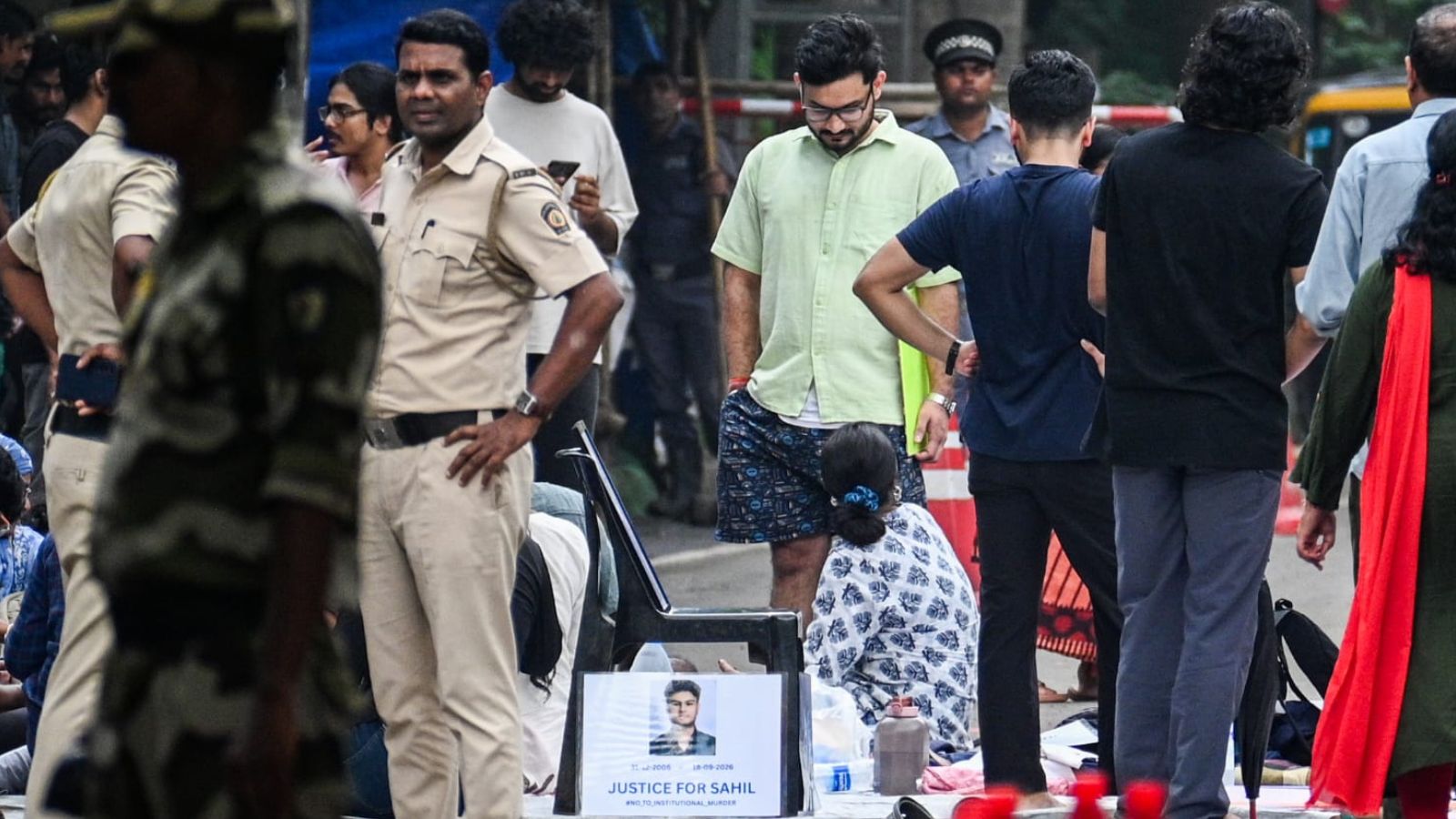
The review followed the suicide of Sahil Wakode, a second-year student.
He was allegedly found with a mobile phone during an examination.
A new committee with equal numbers of students and faculty will suggest clearer procedures.
One idea is to let a student speak with a senior-student mentor before meeting a disciplinary committee.
Another idea is to print the rules and possible punishments on answer sheets.
The institute also wants invigilators to receive step-by-step instructions.
Some exams were delayed so the new procedures could be prepared, while the institute also reminded students about mental-health support.

IIT Bombay formed a committee with equal faculty and student representation to review suspected academic-misconduct procedures.
The committee is considering student-mentor consultations before disciplinary hearings and clearer instructions for invigilators.
The institute may print malpractice rules and possible consequences on the first page of answer sheets.
Remaining mid-semester exams were postponed from September 26–27 to October 10–11.
The changes followed the suicide of second-year BTech student Sahil Wakode, who was allegedly found with a phone during an exam.
- Who
- IIT Bombay, its faculty and students, the newly formed committee, Sahil Wakode, and people involved in the related police investigation.
- What
- The institute is reviewing academic-misconduct procedures, considering mentor support and clearer rules, and postponing remaining mid-semester examinations.
- When
- The review began days after Sahil Wakode’s death; the remaining examinations were moved from September 26–27 to October 10–11.
- Where
- IIT Bombay in Mumbai, including its examination facilities and hostel.
- Why
- The institute says it wants fairer, more consistent and student-friendly examination procedures and aims to address students’ concerns.
Student Safeguards and Accountability
Clear Enforcement and Deterrence
Handling suspected misconduct
Student Safeguards and Accountability
Students and their supporters want a process that reduces stress, allows access to mentors, and gives students greater representation and accountability in decision-making.
Clear Enforcement and Deterrence
Faculty members and the institute are seeking clear, step-by-step instructions for invigilators so suspected misconduct is handled consistently and examination rules remain enforceable.
Response to Wakode’s death
Student Safeguards and Accountability
Wakode’s parents allege caste-based slurs and discrimination, and have demanded action against Professor Suryanarayana Doolla and IIT Bombay Director Shirish Kedare.
Clear Enforcement and Deterrence
Professor Doolla was sent on leave to facilitate an impartial investigation, while IIT Bombay is focusing on revising procedures and expanding information about mental-health support.
Communicating penalties
Student Safeguards and Accountability
Publishing rules and consequences could help students understand the process and avoid overestimating the effect of a disciplinary case.
Clear Enforcement and Deterrence
Displaying possible penalties on answer sheets could also deter examination malpractice by making the consequences clear.
- Student who died
- Sahil Wakode, a second-year BTech student
- Committee composition
- Equal representation of faculty and students
- Proposed mentor support
- Students suspected of malpractice may speak with a student mentor before a disciplinary hearing
- Proposed answer-sheet change
- Malpractice rules and possible consequences may appear on the first page
- New examination dates
- October 10 and 11
- Approval process
- The revised SOP and academic-misconduct rules must be approved by the Senate
- Additional support
- IIT Bombay is recirculating information about mental-health services on campus