

Archive · 23 Jul 2026
Scientists Explore Regrowing Human Teeth
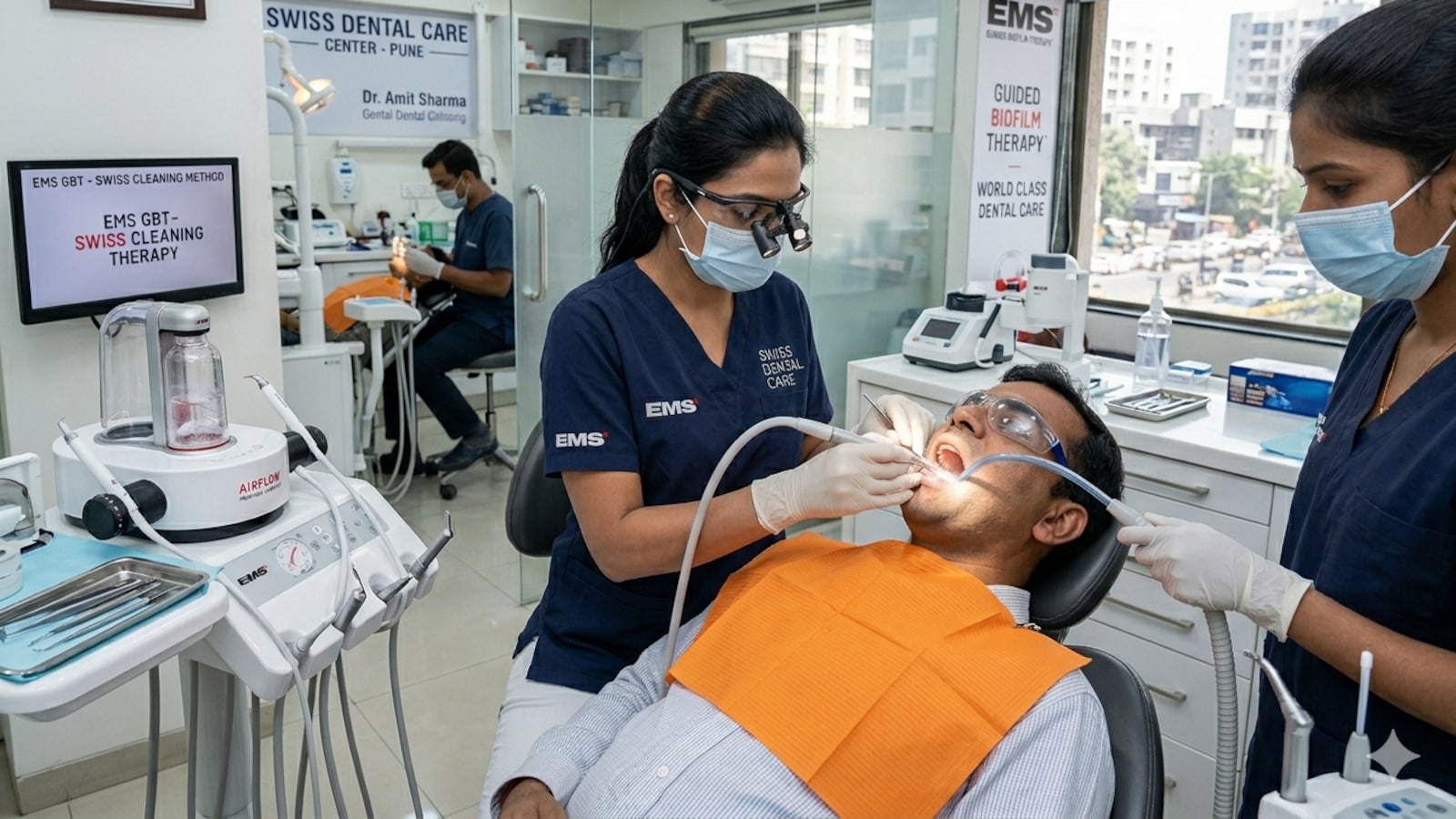
Scientists are working on a way to regrow human teeth using stem cells and tooth buds.
This method could be a natural and less painful alternative to dental implants and dentures.
However, the research is still in the experimental phase and faces challenges related to safety, regulatory approvals, and clinical testing.
If successful, this technology could benefit people with congenitally missing teeth, severe tooth loss, and those seeking painless alternatives to current dental procedures.
The potential benefits include natural tooth growth, reduced need for dental procedures, and preservation of the jawbone.
However, the method is not yet available for clinical use, and more research is needed to evaluate its effectiveness and safety.

Scientists are exploring tooth regeneration using stem cells and tooth buds.
Current research is in the experimental phase, with no clear timeline for clinical availability.
Potential benefits include natural tooth growth and reduced need for dental procedures.
Challenges include safety concerns, regulatory approvals, and clinical testing.
Target beneficiaries include people with congenitally missing teeth and severe tooth loss.
- Who
- Scientists and researchers in regenerative medicine
- What
- Exploring methods to regrow human teeth using stem cells and tooth buds
- When
- Current research is in the experimental phase, with no clear timeline for clinical availability
- Where
- Research is being conducted globally, with notable studies in animals like pigs
- Why
- To provide a natural, less invasive solution for tooth loss, reducing the need for painful dental procedures
Proponents of Tooth Regeneration
Skeptics of Tooth Regeneration
Effectiveness and Safety
Proponents of Tooth Regeneration
Proponents believe that tooth regeneration could be a more natural and less invasive solution for tooth loss, potentially reducing the need for painful dental procedures.
Skeptics of Tooth Regeneration
Skeptics argue that the method is still in the experimental phase and lacks sufficient clinical evidence to ensure safety and effectiveness.
Cost and Accessibility
Proponents of Tooth Regeneration
Supporters hope that tooth regeneration could be more cost-effective in the long run, as it may reduce the need for repeated dental procedures.
Skeptics of Tooth Regeneration
Critics point out that the current research is expensive and may not be accessible to everyone, especially in regions with limited healthcare resources.
- Current Status
- Experimental phase, not yet available for clinical use
- Potential Benefits
- Natural tooth growth, reduced need for dental procedures, preservation of jawbone
- Challenges
- Safety concerns, regulatory approvals, clinical testing
- Target Beneficiaries
- People with congenitally missing teeth, severe tooth loss, those seeking painless alternatives to implants and dentures
- Research Focus
- Stem cells, tooth buds, biomaterial scaffolds, growth factors