

Archive · 22 Sep 2026
Why Brazil Opens the United Nations General Assembly Debate
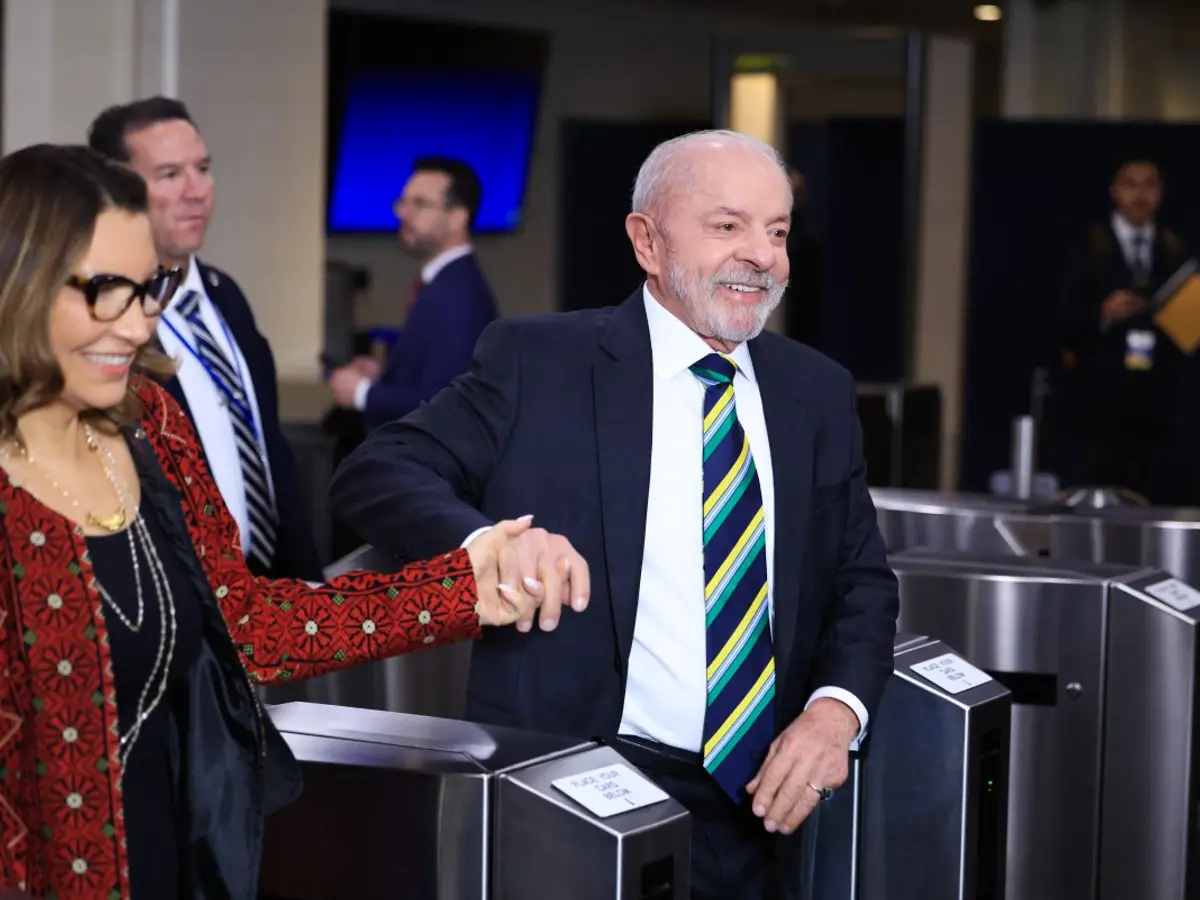
Brazil usually speaks first when countries meet for the United Nations General Assembly’s main debate.
This is a tradition, not a formal rule.
In the early years, many countries did not want to be the first to speak.
Brazil volunteered several times, so it gradually became the usual first speaker.
The practice was firmly established in 1955.
The United States usually speaks next because the United Nations headquarters is in New York.
Other countries are placed using several factors, including geography and when they requested to speak.
Brazil’s first position gives it an important platform to discuss global issues.

Brazil traditionally delivers the first speech during the United Nations General Assembly’s General Debate.
The tradition began because Brazil volunteered to speak first when countries were initially reluctant to do so.
Brazil has consistently opened the General Debate since 1955.
The United States usually speaks second because it hosts the United Nations headquarters in New York.
Speaking order also considers representation level, geographical balance, preferences and request timing.
- Who
- Brazil, the United States and other United Nations member states.
- What
- Brazil traditionally opens the General Debate of the United Nations General Assembly, followed by the United States.
- When
- The 81st session’s General Debate is scheduled for September 22–28, 2026; Brazil’s consistent opening role dates from 1955.
- Where
- The General Debate is held at the United Nations headquarters in New York.
- Why
- Brazil first volunteered to speak when countries were initially reluctant to take the opening slot, establishing a diplomatic tradition.
- Event
- General Debate of the United Nations General Assembly
- Session
- 81st session
- 2026 dates
- September 22–28, 2026
- Opening speaker
- Brazil
- Second speaker
- United States
- Tradition established
- 1955
- Speaking-order factors
- Representation level, geographical balance, preferences and the order in which requests were recorded