

Archive · 30 Sep 2025
China's Five-Year Plans vs. US Economic Strategy
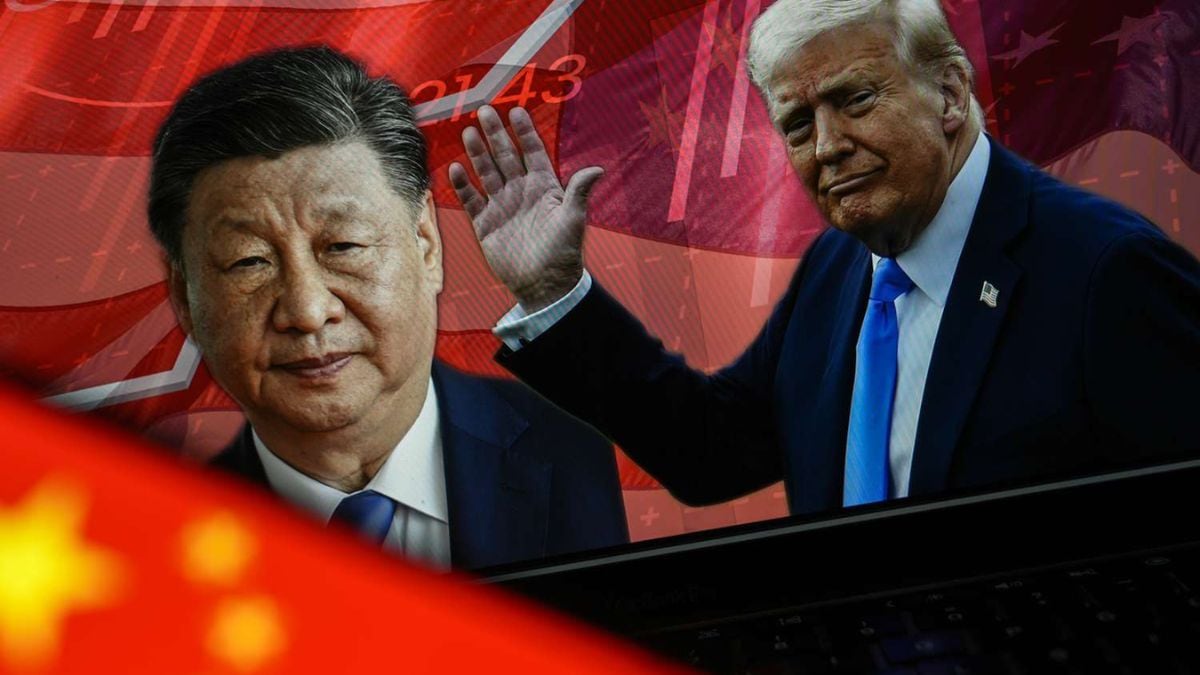
China has a long-term economic plan with five-year goals, influenced by government.
The US, however, prefers the free market and less government control.
While China uses plans to target key industries, America reacts to other countries' trade tactics.
Trump's actions show interest in industrial policy, which sometimes involves picking winners and losers among companies.
However, the US faces hurdles like budget deficits and partisan disagreements, making large-scale planning difficult.
China's strategy is more comprehensive, drawing from resources to push industrial growth.
The article suggests these different strategies could affect the global economy.

China utilizes five-year plans for economic strategy, while the US favors a market-driven approach.
China's planning process involves long-term goal setting, influencing industries.
The US government's industrial policies have been more reactive, such as Trump's actions supporting specific companies.
American industrial policies face limitations due to budget constraints and bipartisan differences.
China's comprehensive 'all-of-government' approach contrasts with the US's less strategic measures.
- Who
- China and the United States
- What
- Comparing China's strategic planning to the US economic approach.
- When
- Discussing the present, with historical context dating back to the 1950s
- Where
- China and the United States
- Why
- To highlight the contrasting economic strategies and potential impacts.
- China's Planning
- Uses Five-Year Plans since 1953
- US Approach
- Favors market-based economics
- Trump's Actions
- Executive orders; Industrial policy intervention
- US Industrial Policy
- Reactive; addresses other countries' competitive practices
- China's Strategy
- Long-term goals; targets industries of the future