

Archive · 30 Jul 2026
India’s Exam Integrity Protest Shifts Civic Expectations
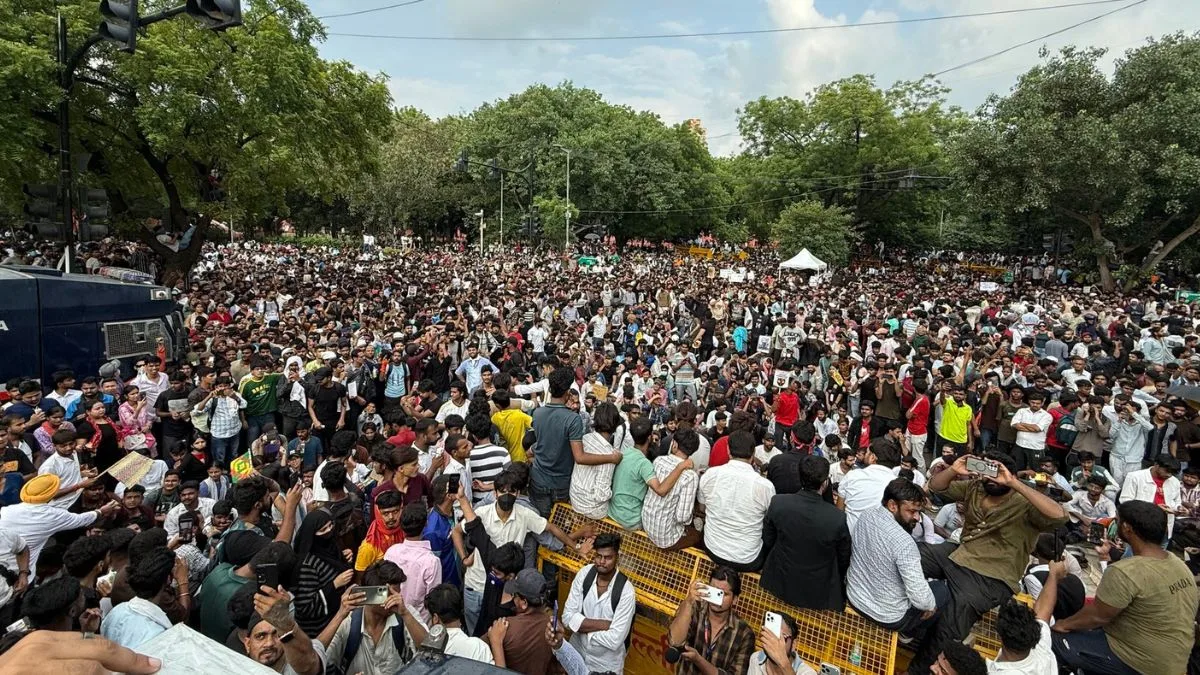
A big group of young people in India got upset because they thought the exams that decide who gets good jobs were not fair.
They marched and talked to the government, and this made a Union Minister step down.
The protests showed that people now care more about how well things work than just about politics.
They want the government to use clear rules, technology, and quick punishment for bad behavior.
Whether this will change things for good depends on if the government makes real changes and if the young people keep talking and voting.

A nationwide movement demanded fair examinations and accountability of public institutions in India.
The protests led to the resignation of a Union Minister and highlighted the power of sustained civic pressure.
Young voters are shifting from ideological rhetoric to judging institutions by results and competence.
The movement stresses the need for transparent processes, technology safeguards, and swift consequences for wrongdoing.
Long‑term impact depends on government reforms and continued engagement by the new generation.
- Who
- Young Indian citizens and broader public
- What
- Protest demanding fair examinations and accountability of public institutions
- When
- Recent (no specific date provided)
- Where
- India
- Why
- To ensure fairness, transparency, and to demonstrate civic pressure can influence policy
- Event
- Examination Integrity Movement
- Outcome
- Resignation of Union Minister
- Key Concern
- Fairness of competitive exams
- Targeted Institutions
- Public institutions, regulatory agencies, universities
- Main Demand
- Transparent processes and swift consequences