Archive · 19 Aug 2025
Blood Sugar Testing: Avoid Common Mistakes for Accuracy
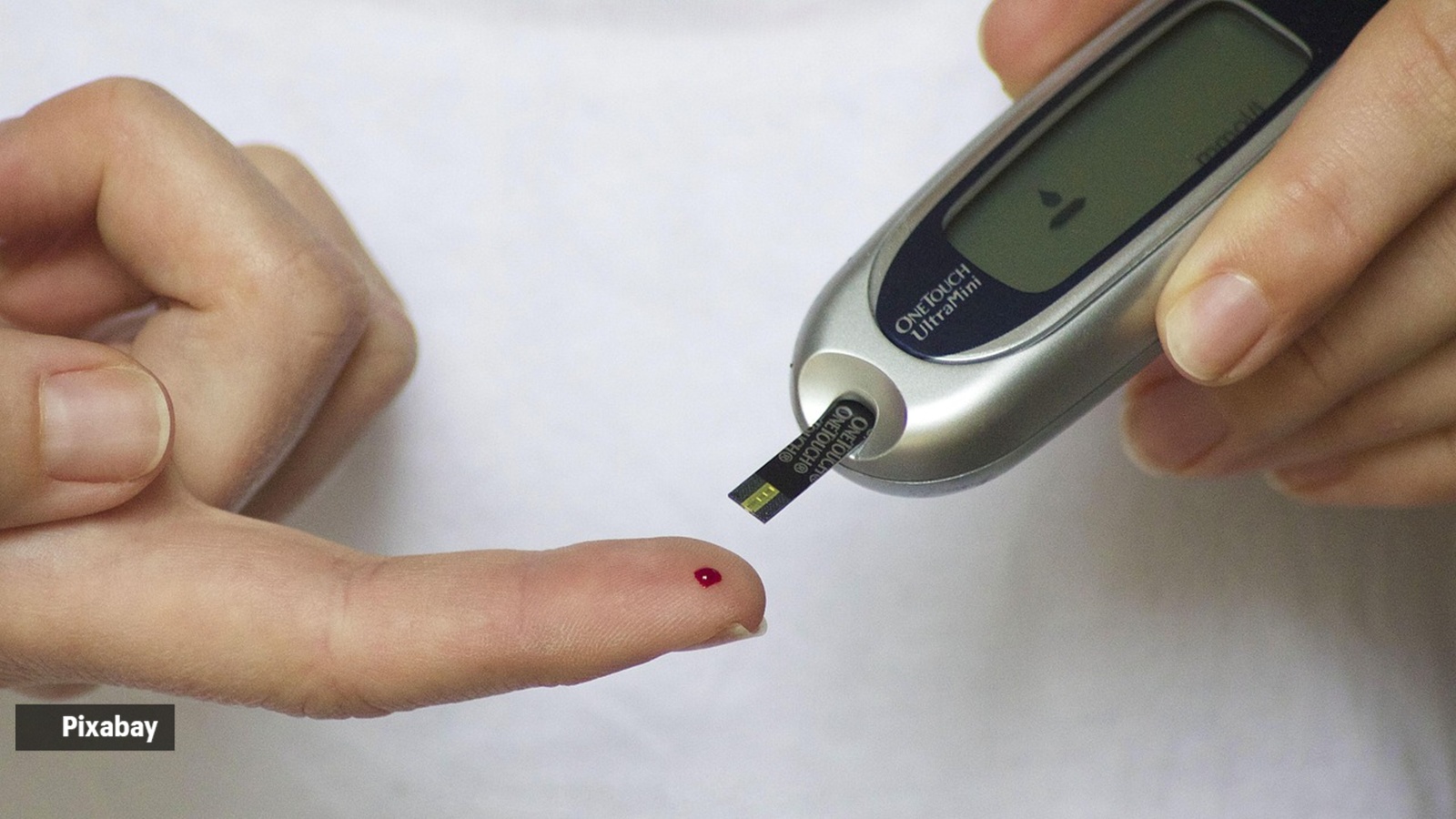
When checking your blood sugar, it's important to do it correctly so you get accurate numbers.
Some common mistakes are testing at the wrong times, like right after eating, or not washing your hands.
Also, using old test strips, not knowing how to use your meter, and skipping meals can mess up the results.
To get it right, always wash your hands, use fresh strips, and test at regular times.
If you're unsure, ask your doctor or read the instructions.

Testing blood sugar at inconsistent times can lead to inaccurate results.
Using expired or improperly stored test strips can lead to errors in readings.
Failing to wash hands before testing can cause contaminated readings.
Not understanding the glucose meter and skipping meals are other errors.
Rotating testing sites helps to avoid discomfort and callus buildup.
- Who
- Individuals with diabetes who monitor their blood sugar levels.
- What
- Common mistakes and how to avoid them when testing blood sugar levels.
- When
- When individuals are testing their blood sugar levels to manage diabetes.
- Where
- Information collected from health experts to help individuals.
- Why
- To ensure accurate blood sugar readings for proper diabetes management.
- Testing Time
- Two hours after a meal
- Hand Cleaning
- Wash hands with soap and water before testing
- Test Strips
- Check expiration dates; store properly
- Alcohol Use
- Avoid alcohol-based sanitizers on fingers
- Testing Frequency
- Test regularly to track progress