Archive · 2 Jun 2025
DOGE's Census Bureau Actions Raise Data Infrastructure Concerns

Imagine a group, led by some important people, wants to change how the government collects information.
They're looking at surveys done by the Census Bureau, which helps count people and gather info.
This group has stopped some surveys, which worries people who use this info, like scientists and researchers.
The Census Bureau is responsible for important things, like figuring out how many people live in each state, and how much money they get.
Some worry the changes could make it harder to plan for future censuses.
Others fear the loss of important data and experts who help collect it, which is key for making smart decisions.

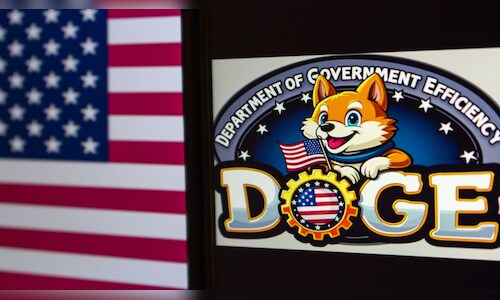
DOGE is targeting the US Census Bureau, raising concerns about data infrastructure.
Five surveys, costing $16.5 million, have been terminated by DOGE.
Eliminated surveys included questions on alcohol consumption and internet usage.
Users of federal data express worry over potential damage to US statistical systems.
The Census Bureau faces challenges with staffing and upcoming 2030 census preparations.
- Who
- DOGE, the US Census Bureau, and data users.
- What
- DOGE targeting US Census Bureau surveys.
- When
- Recent events, as of May 2024.
- Where
- US Federal Government.
- Why
- To cut federal spending on surveys the group deems wasteful.
DOGE
Data Users & Census Bureau
Survey Relevance
DOGE
Eliminating specific survey questions ensures efficient government resource allocation, saving taxpayer money.
Data Users & Census Bureau
The eliminated questions are important and should continue for proper and holistic information collection
Fiscal Spending
DOGE
Census operations are wasteful and cause unneeded federal spending, including outdated or unnecessary surveys.
Data Users & Census Bureau
US Data collection is fundamental to understanding society, and shouldn't be threatened to promote efficient spending.
- Key Figure
- DOGE
- Agency Targeted
- US Census Bureau
- Surveys Terminated
- 5
- Affected Survey Cost
- $16.5 million
- Census 2030 Tests
- Planned for 6 locations next year