

Archive · 30 Oct 2025
Climate Change Threatens Mexico's Iconic Day of the Dead Marigolds
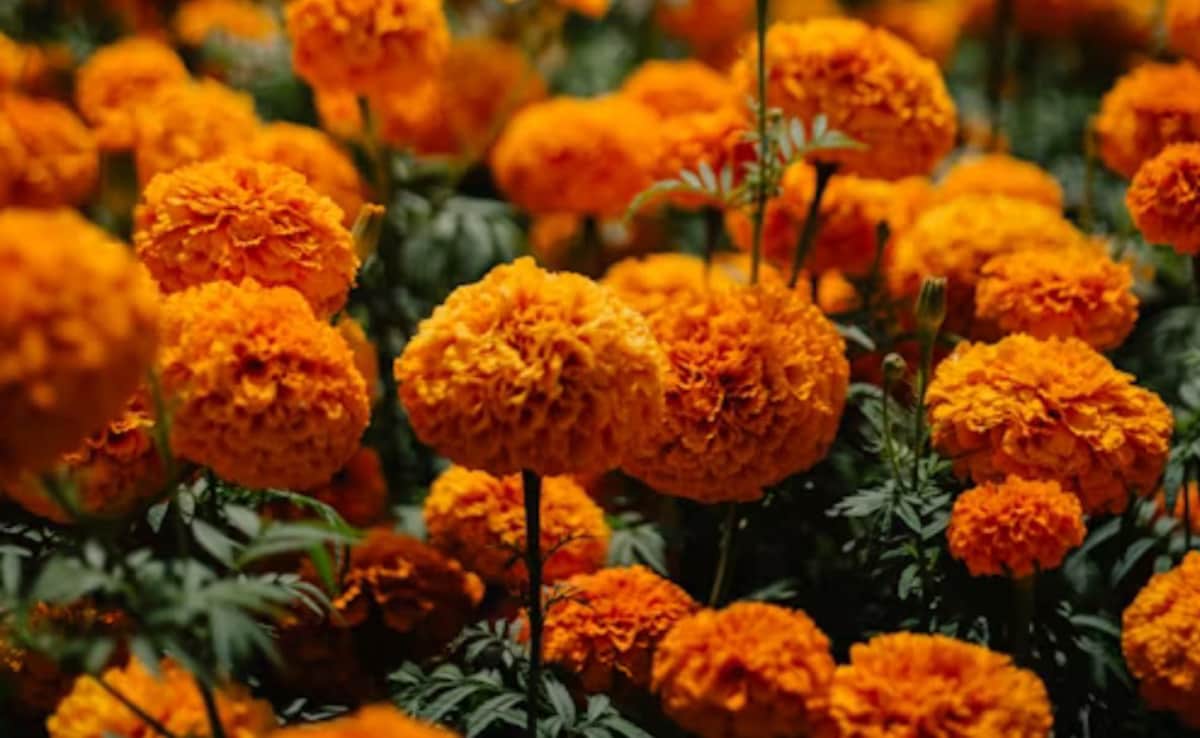
Imagine a special orange flower called cempasuchil, which is super important for Mexico's Day of the Dead.
People use these flowers to help guide the spirits of loved ones back home.
But lately, the weather has been acting strange because of climate change.
Farmers are getting way too much rain, which is flooding their fields and making the flowers rot.
This means they can't grow enough flowers to sell, and they are losing money.
Some farmers are even thinking about giving up.
Scientists are trying to help by saving old kinds of flower seeds that are tougher and can survive bad weather.
They are also looking at why farmers are using newer, weaker seeds that don't do as well when the weather is tough.
The farmers hope to keep growing these special flowers, which have been part of their family traditions for a very long time.

Climate change is severely impacting the cultivation of cempasuchil flowers, crucial for Mexico's Day of the Dead.
Farmers have lost significant portions of their crops due to torrential rains, flooding, pests, and diseases linked to climate shifts.
The cempasuchil flower is both culturally significant, believed to guide spirits, and an economic driver for farmers.
Scientists are working to preserve native, resilient cempasuchil seed variants in a seed bank to combat climate change effects.
Farmers face financial hardship, threatening their livelihoods and ancient farming traditions, as they struggle to adapt to unpredictable weather patterns.
- Who
- Cempasuchil farmers in Mexico, including Lucia Ortiz and Carlos Jimenez, government scientists, and Mexico City Mayor Clara Brugada
- What
- The cultivation and sale of cempasuchil flowers for Day of the Dead celebrations are threatened by climate change impacts like torrential rains and flooding, leading to significant crop losses and economic hardship for farmers. Scientists are working on preserving native seed variants.
- When
- Current season, with ongoing impacts and fears for the future; Day of the Dead is November 1-2.
- Where
- Farms on the fringes of Mexico City, particularly in Xochimilco, and a seed bank called Toxinachcal.
- Why
- Climate change, caused by burning fossil fuels, is leading to increasingly common extreme weather events like heavy rains and floods, which damage the cempasuchil crops and threaten farmers' livelihoods and cultural traditions.
Farmers' Immediate Concerns
Scientific and Long-Term Solutions
Crop Impact and Financial Loss
Farmers' Immediate Concerns
Farmers like Lucia Ortiz are experiencing devastating crop losses (up to 50%) due to heavy rains and flooding, leading to financial hardship, inability to afford fertilizers, and difficulty making ends meet. Some have lost so much they contemplate quitting.
Scientific and Long-Term Solutions
Scientists like Clara Soto Cortes acknowledge the devastation but focus on underlying issues such as the shift towards hybrid seeds from the US, which are less resilient than native Mexican breeds adapted to varying climates. They are working on seed preservation and promoting genetically diverse native variants.
Adaptation Strategies
Farmers' Immediate Concerns
Farmers lack the funds to implement necessary adaptations like building greenhouses, despite recognizing the need to protect crops. They rely on short-term government aid, which they feel is insufficient.
Scientific and Long-Term Solutions
The seed bank is developing a long-term strategy by saving thousands of native seed variants, including 20 of cempasuchil, to provide resilient options for farmers if future crops are wiped out. They also advocate for using native seeds better suited to climate challenges.
Maintaining Tradition vs. Marketability
Farmers' Immediate Concerns
Carlos Jimenez notes that while tradition is vital, he switched to hybrid seeds eight years ago because they are more marketable, even as they are now more susceptible to disease and rot, threatening the tradition itself.
Scientific and Long-Term Solutions
Scientists argue that the focus on marketability of hybrid seeds has led to a loss of genetic diversity crucial for resilience against climate change, suggesting a need to re-emphasize the value of traditionally cultivated, sturdier native varieties.
- Event
- Day of the Dead celebrations
- Key Flower
- Cempasuchil (Mexican marigold)
- Location
- Mexico City, Mexico
- Impact
- Crop losses due to heavy rains, flooding, pests, and diseases
- Economic Impact
- Predicted $2.7 million for farmers in 2025; current losses threaten livelihoods
- Proposed Solutions
- Seed bank preservation, exploring hybrid vs. native seeds, potential infrastructure like greenhouses