

Archive · 18 Sep 2025
Credit Card Delinquency: Risks and How to Manage It
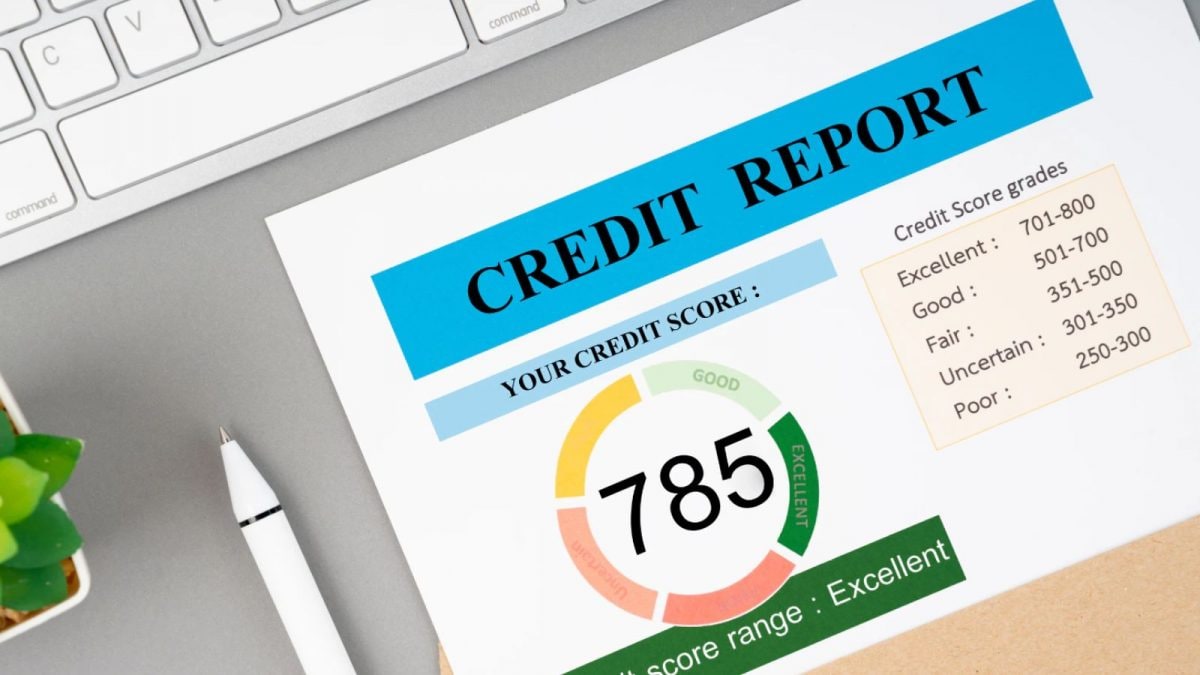
If you miss a credit card payment, it's called delinquency.
This harms your credit score, making it harder to get loans.
After 30 days, you may face penalties and higher interest.
Continuously missing payments can lead to serious problems.
It's also a sign that many people are struggling with debt, which can affect the economy.
To avoid this, create a budget, set payment reminders, and prioritize clearing high-interest debts.
Communicate with your issuer and avoid further spending until you pay your dues.

Credit card delinquency involves failing to make minimum payments by the due date.
Delinquency reports are sent to credit bureaus, lowering credit scores.
Continuous missed payments can escalate into default and legal issues.
Credit card delinquency in India surged by 44% year-on-year to ₹33,886 crore.
Strategies to tackle delinquency include budgeting and setting automatic payments.
- Who
- Credit card holders
- What
- Consequences of credit card delinquency
- When
- Ongoing
- Where
- India
- Why
- To understand and manage credit card debt effectively
- Delinquency Definition
- Failure to pay minimum credit card amount by the due date
- Financial Impact
- Lower credit score and potential legal complications
- Economic Impact
- Indicator of broader economic stress and over-reliance on debt
- Delinquency Increase (March 2025)
- 44% year-on-year, reaching ₹33,886 crore

