Archive · 26 Oct 2025
Economist Highlights Regional Imbalances in India's Fiscal Policy
India's economy has some areas that get more help from the government than others.
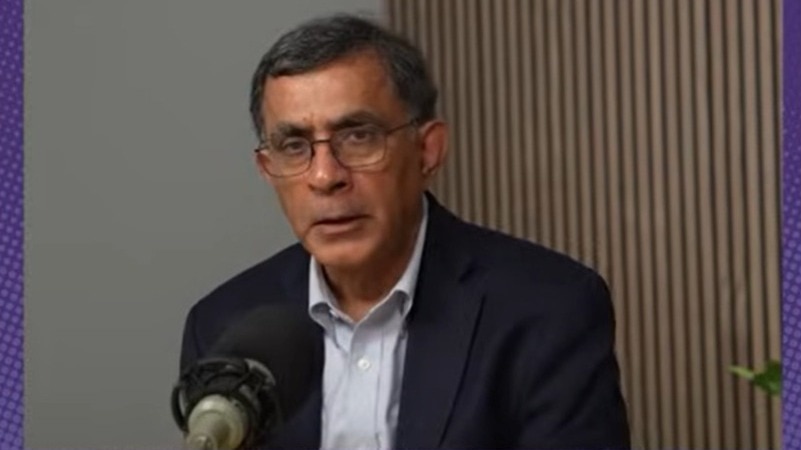
Mr. Kapur talked about how, in the past, policies favored the south and west.
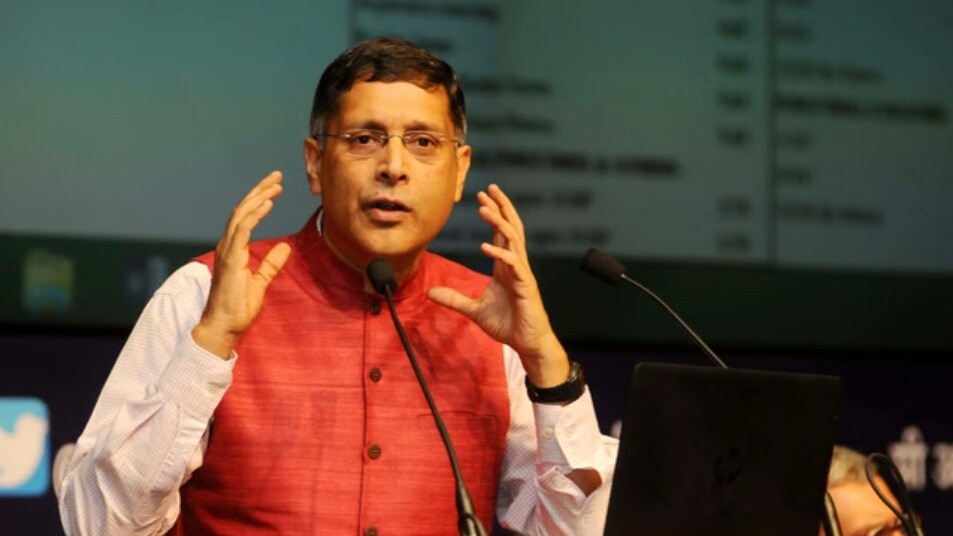
Mr. Subramanian says that it's important for richer areas to share with poorer ones.
Some regions feel like they pay more taxes but don't get as much back.
Another point to consider is how some areas provide resources like cheap labor.
Kapur mentioned that regions like Jammu and Kashmir, and the Northeast get the most financial help.
The idea is to find a fair way for money to be shared, so everyone feels like they are being treated fairly and are part of the team.

Kapur discussed regional imbalances in India's fiscal policies.
Early policies favored southern and western states.
The Freight Equalisation Policy was introduced in 1952.
Southern states contribute 30-35% of GDP but receive about 15% of tax devolution.
Subramanian says redistribution is a core feature of nation-building.
- Who
- Devesh Kapur and Arvind Subramanian
- What
- Discussed regional imbalances and fiscal federalism in India.
- When
- During a Carnegie Endowment discussion
- Where
- India
- Why
- To analyze fiscal policies and address regional discontent.
Southern States
Central Government
Fiscal Redistribution
Southern States
Feel they are fiscally discriminated against.
Central Government
Views redistribution as essential for nation-building.
- Key Figures
- Devesh Kapur, Arvind Subramanian
- Focus
- India's fiscal federalism and regional disparities
- Freight Equalization Policy
- Introduced in 1952
- Southern States' GDP Contribution
- 30-35%
- Southern States' Tax Devolution
- Approx. 15%