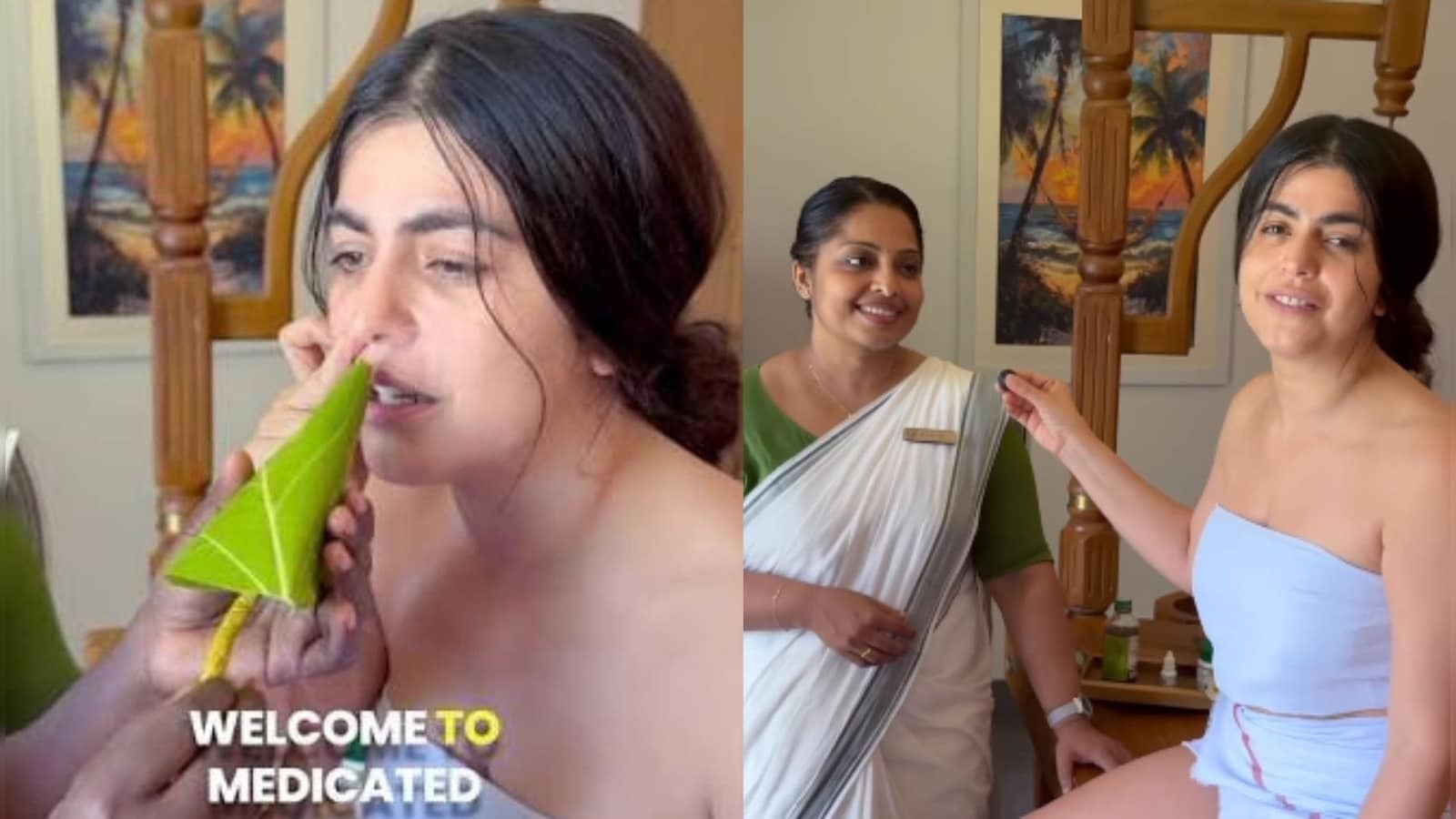
Archive · 31 Aug 2026
Shenaz Treasury Tries Ayurvedic Smoking at Kerala Retreat
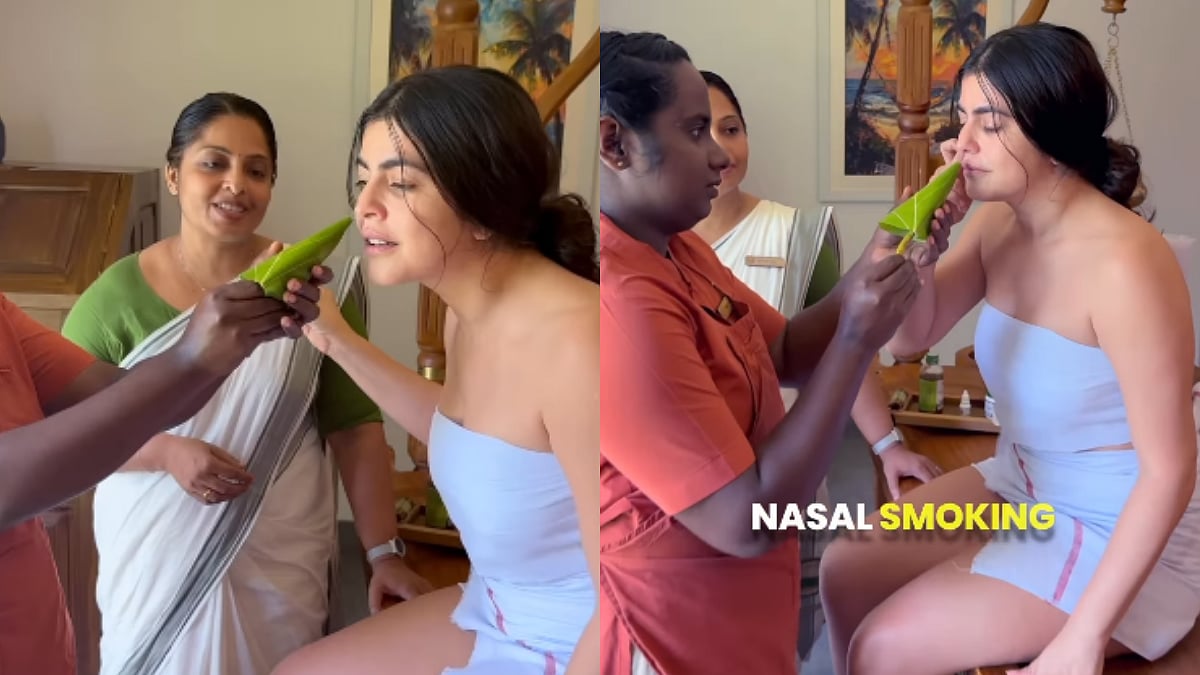
Shenaz Treasury tried an old Ayurvedic practice at a retreat in Kerala.
The practice is called Dhoompan or Dhumapana.
It involves breathing in smoke made from certain medicinal herbs.
The herbs may include turmeric, neem, guggulu and ghee.
A doctor at the retreat said it may help clear the nose and relax the mind.
Shenaz said she felt relaxed after trying it.
Traditionally, the smoke is inhaled through the nose and breathed out through the mouth.
This practice is different from smoking cigarettes, but people should ask a qualified doctor before trying it.

Actress and content creator Shenaz Treasury tried Ayurvedic smoking during a retreat in Kerala.
The practice, also called Dhoompan or Dhumapana, involves inhaling smoke from selected medicinal herbs.
A retreat doctor said it may clear nasal blockages, strengthen the senses and relax the mind.
Traditional ingredients mentioned include turmeric, guggulu, neem and ghee.
The article distinguishes Ayurvedic smoking from tobacco smoking and advises consulting a qualified medical professional.
- Who
- Actress and content creator Shenaz Treasury, along with a doctor at a Kerala retreat.
- What
- Shenaz Treasury tried Ayurvedic smoking, an herbal-smoke practice also called Dhoompan or Dhumapana.
- When
- During a recent retreat; the article does not provide a specific date.
- Where
- A retreat in Kerala, India.
- Why
- The practice was presented as an Ayurvedic treatment that may clear nasal blockages, support respiratory wellness and relax the mind.
- Practice
- Ayurvedic smoking, also known as Dhoompan or Dhumapana.
- Participant
- Actress and content creator Shenaz Treasury.
- Location
- A retreat in Kerala.
- Method
- Inhaling smoke from a custom-crafted wick infused with medicinal herbs.
- Mentioned ingredients
- Turmeric, guggulu, neem and ghee.
- Traditional use
- Addressing certain conditions involving the head, nose and throat, including mucus and congestion.
- Medical guidance
- The article advises consulting a qualified medical professional and says the practice is not a substitute for medical advice.