Archive · 23 Sep 2026
Bombay High Court Tightens Maharashtra Festival Noise Rules
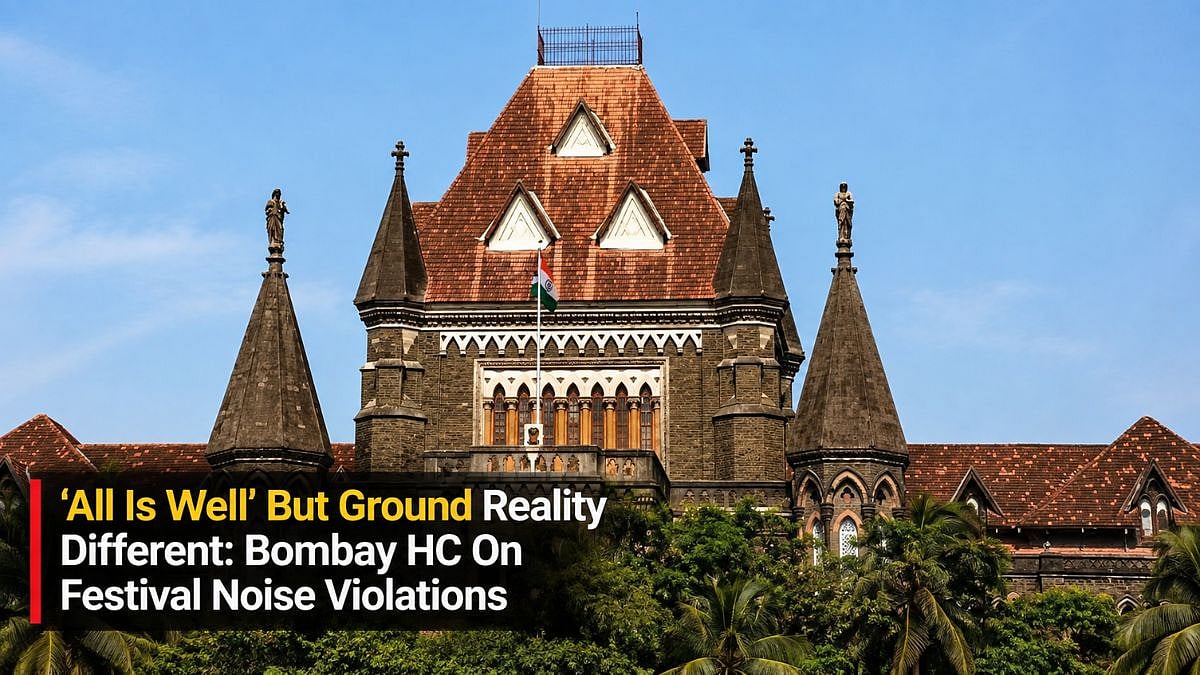
The Bombay High Court made stricter rules for noisy festival celebrations in Maharashtra.
Firecrackers cannot be burst on public streets or roads during festivals.
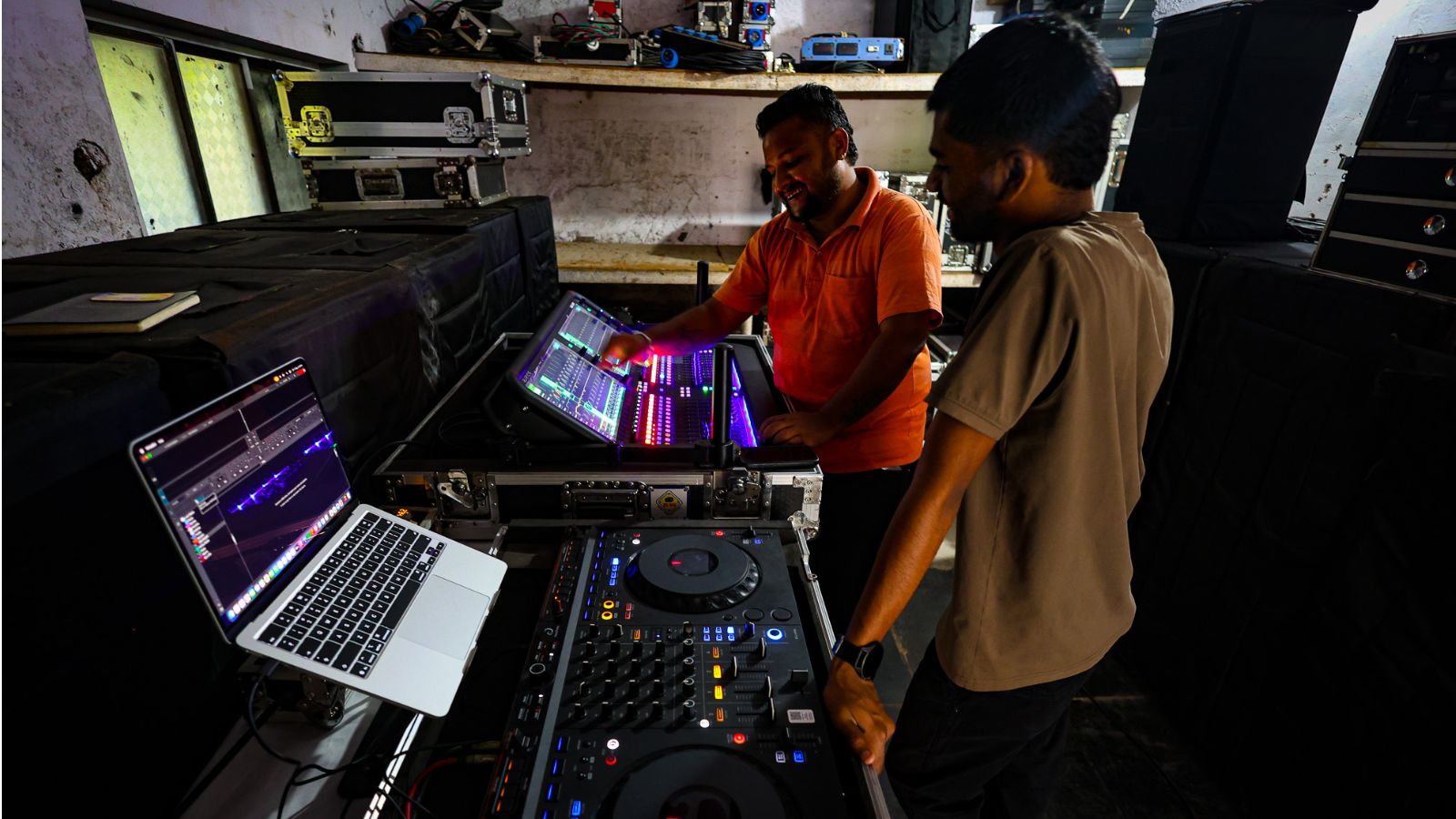
Loudspeakers, DJs, and very bright laser beams are also restricted or banned during processions.
Organisers must show their permissions and the names of people responsible for the event.
They must measure sound and use equipment that prevents it from becoming too loud.
Officials can take away equipment when rules are broken.
The court said loud noise and firecracker smoke can harm people and pollute the air.
It also said officials should prevent violations instead of waiting for complaints.

The Bombay High Court banned firecrackers on public streets and roads during festivals across Maharashtra.
The court directed authorities to prohibit loudspeakers, DJs, laser lights, high-intensity beams, and other excessive noise during processions.
Organisers must display permissions, install visible decibel meters, use sound limiters, and identify responsible individuals.
Authorities must record individual and cumulative noise levels, seize offending equipment, and pursue legal action against violators.
The court criticised the Maharashtra government’s “all is well” stance, saying enforcement remained lax despite existing restrictions.
- Who
- The Bombay High Court bench of Justices Girish S. Kulkarni and Neela K. Gokhale issued the directions; the Maharashtra government defended its enforcement efforts.
- What
- The court imposed a ban on street firecrackers and ordered tighter controls on festive noise, lighting, pollution, and procession permissions.
- When
- The order was issued on Tuesday, September 22, 2026, during Ganeshotsav celebrations; the matter was posted for October 15.
- Where
- The directions apply across Maharashtra, including Mumbai, Thane, Pune, and Nashik.
- Why
- The court cited noise and air pollution, toxic smoke, road-safety risks, health concerns, and the rights of residents.
Bombay High Court
Maharashtra Government
Effectiveness of enforcement
Bombay High Court
The court said the government’s “rosy picture” and “all is well” stance did not match ground reality, citing continuing violations and lax enforcement of the Noise Pollution (Regulation and Control) Rules, 2000.
Maharashtra Government
The government said Mumbai police had already prohibited loudspeakers, amplifying instruments, musical bands, and firecrackers in processions, and that action was taken when complaints were received.
Preventive versus complaint-based action
Bombay High Court
The court called for a robust preventive system, saying police permissions should not be routine formalities and authorities should stop violations before they occur.
Maharashtra Government
The government relied on existing restrictions and action taken after complaints; the articles do not report a detailed separate response to all of the court’s proposed preventive measures.
Festival celebrations
Bombay High Court
The court urged total restraint on loud music, high-watt speakers, dhol tashas, cylinders, firecrackers, and other practices, advocating more dignified and civilised processions.
Maharashtra Government
The government’s stated position was that existing restrictions and rules had to be followed, while the articles provide no detailed defence of specific sound practices.
- Street firecrackers
- Bursting firecrackers on public streets and roads is totally banned during festivities.
- Noise and lighting
- Authorities were directed to restrict loudspeakers, DJs, laser lights, high-intensity lights, and beams during processions.
- Sound monitoring
- Organisers must provide publicly visible decibel meters and use sound systems with internal sound limiters.
- Security deposits
- Authorities are to consider deposits of at least Rs 1 lakh for groups or associations and Rs 50,000 for individuals.
- Public accountability
- Permissions and the names, addresses, and mobile numbers of responsible organisers must be displayed.
- Cumulative assessment
- Authorities must assess the combined noise impact of multiple permissions in the same ward.
- Enforcement
- Officials may record noise levels, seize offending devices, and pursue action under applicable noise, environmental, explosives, and public-nuisance laws.