1 week ago
Ram Temple Theft Report Deepens Trust-Committee Rift
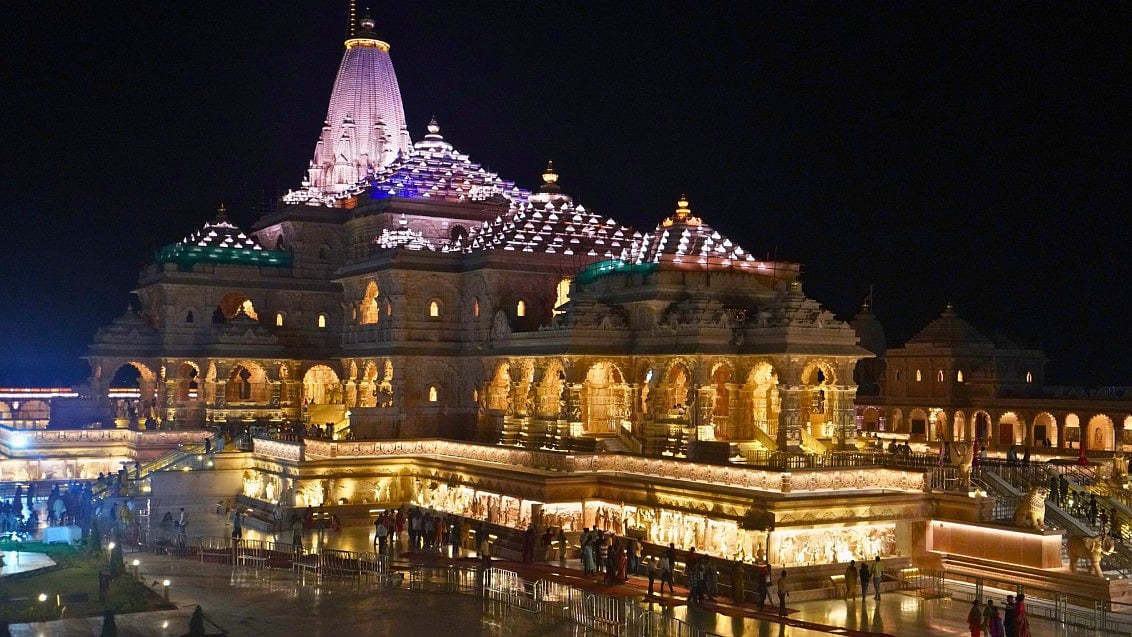
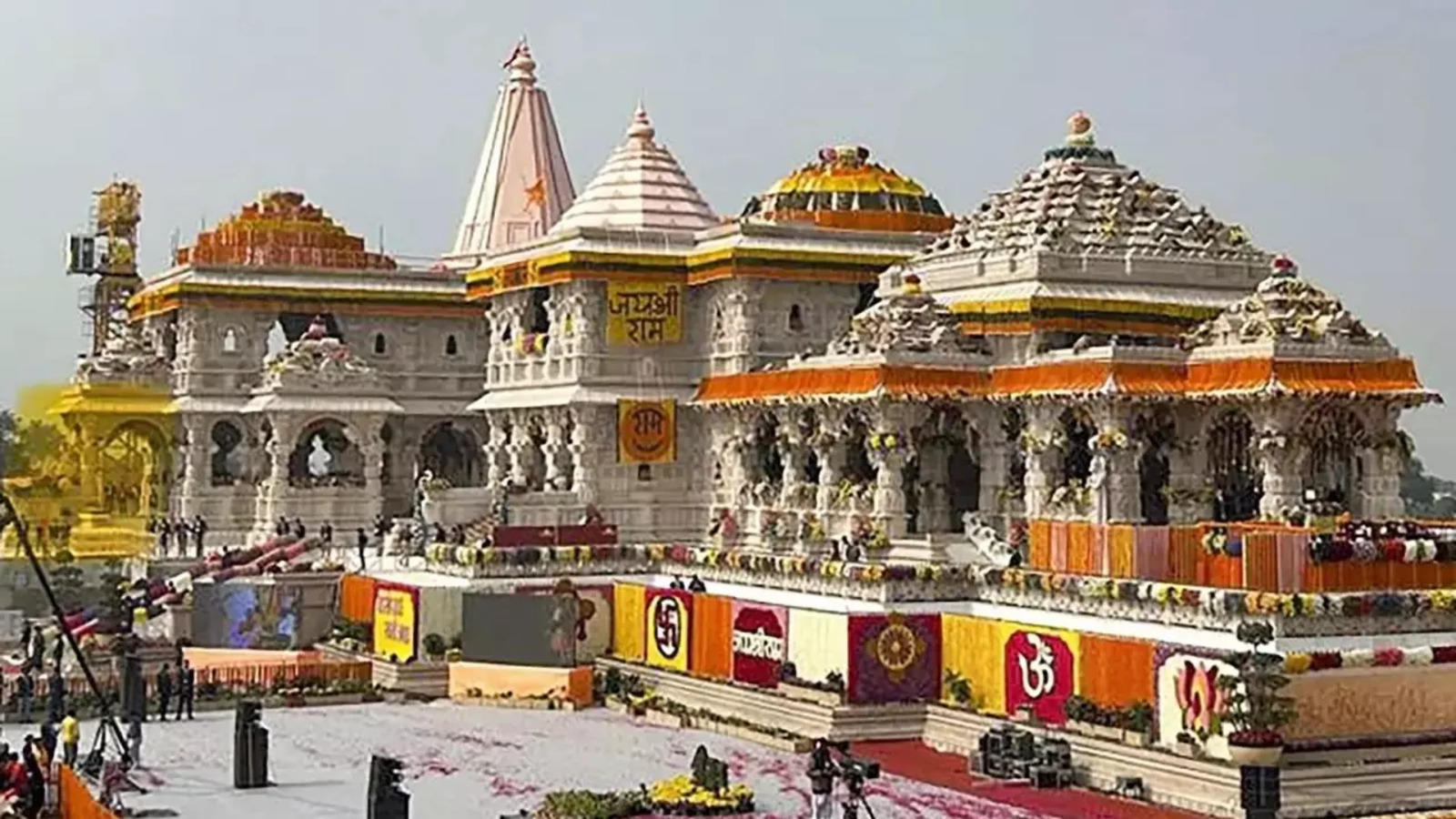
People who manage the Ram temple are divided into two groups.
One group is the Shri Ram Janmabhoomi Teerth Kshetra Trust.
The other is the Ram Mandir Construction Committee.
A reported theft of offerings became public on June 6.
After that, leaders from the two groups stopped attending some of each other’s meetings.
Some Trust-linked sources believe this shows a disagreement about who is responsible for temple management.
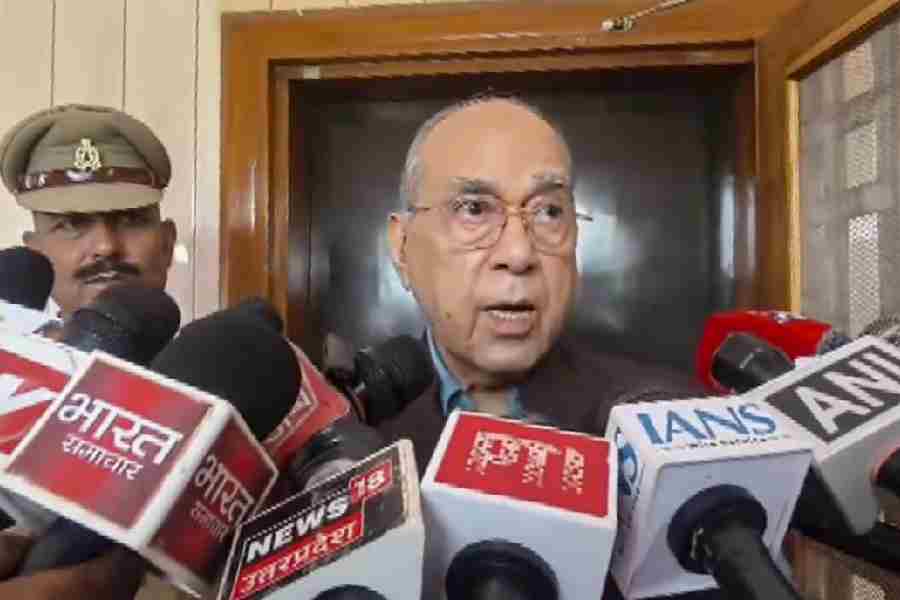
Nripendra Misra said the construction committee’s job was mainly construction and rejected a letter said to show disagreements.
He also said temple construction was paid for by the Trust, not by the government.
The groups have not publicly explained why their representatives stopped attending meetings.

Reported theft of temple offerings came to light on June 6.
Construction Committee chairman Nripendra Misra missed two consecutive Trust meetings after the incident.
No Trust representative attended Construction Committee meetings in July or August 19–21.
Sources said Misra increasingly limited his role to construction and left management matters to the Trust.
Misra denied an allegedly surfaced letter was genuine and said efforts were being made to create distrust.
- Who
- The Shri Ram Janmabhoomi Teerth Kshetra Trust, the Ram Mandir Construction Committee, chairman Nripendra Misra and other temple officials.
- What
- The reported theft of offerings has coincided with reduced participation by each body’s representatives in the other’s meetings, raising questions about institutional tensions.
- Where
- The Ram temple in Ayodhya, with related meetings and interviews mentioned in Ayodhya and Delhi.
- When
- The theft came to light on June 6; Misra gave interviews from June 18, stopped public comments after June 23, and missed the Trust’s July 6 meeting. A committee meeting was held in July and another from August 19 to 21.
- Why
- The reasons for the absences are unclear; the article says they may reflect divided responsibilities or a wider dispute over authority and accountability after the offering-theft case.
Trust-linked sources
Nripendra Misra’s position
Reason for growing distance
Trust-linked sources
Sources associated with the Trust said Misra had gradually withdrawn from management discussions and increasingly focused only on construction.
Nripendra Misra’s position
Misra’s position, as described in the article, is that temple-management matters fall within the Trust’s jurisdiction while his responsibility is confined to construction.
Alleged letter and distrust
Trust-linked sources
The surfaced letter intensified speculation about differences between the bodies and was cited as a sign of possible institutional strain.
Nripendra Misra’s position
Misra dismissed the letter as fabricated, said he had never seen it, and alleged that attempts were being made to create distrust.
Meaning of meeting absences
Trust-linked sources
The absence of representatives from each other’s meetings raises questions about authority, accountability and the working relationship between the bodies.
Nripendra Misra’s position
The article leaves open whether the absences simply reflect a division of responsibilities rather than a major disagreement.
Key facts
- Reported theft disclosed
- June 6
- Construction Committee chairman
- Nripendra Misra
- Trust meeting missed by Misra
- July 6 meeting, following two consecutive absences
- Committee meetings without Trust representatives
- Meetings in July and August 19–21
- Misra’s description of incident
- He publicly called the offering incident “dacoity” rather than theft.
- Construction funding
- Misra said the Trust raised the construction money and no government funds were used.
- Official responses
- Attempts to contact Misra and interim general secretary Krishna Mohan were unsuccessful; Trust secretary Jagdish called it an internal matter.
Sources
Related news
Ram Temple Trust Row Intensifies Ahead of September 2 Meeting
Rai’s Letter Challenges Misra’s Influence Over Ayodhya Temple Decisions
Ayodhya Trust Weighs CEO Choice Amid Letter and Rai Return
First SIT Clears Ram Temple Officials as Probe Continues

Seers Threaten Ayodhya Agitation Over Ram Temple Offering Allegations
Ram Temple Trust Appoints Three Members Amid Donation Controversy
Retired Air Marshal Jeetendra Mishra Named Ram Temple Trust CEO

Ram Temple Trust Moves to Appoint Its First Full-Time CEO