

Archive · 3 Sep 2026
Floods Leave Nepal Facing Major Waterborne Health Risks
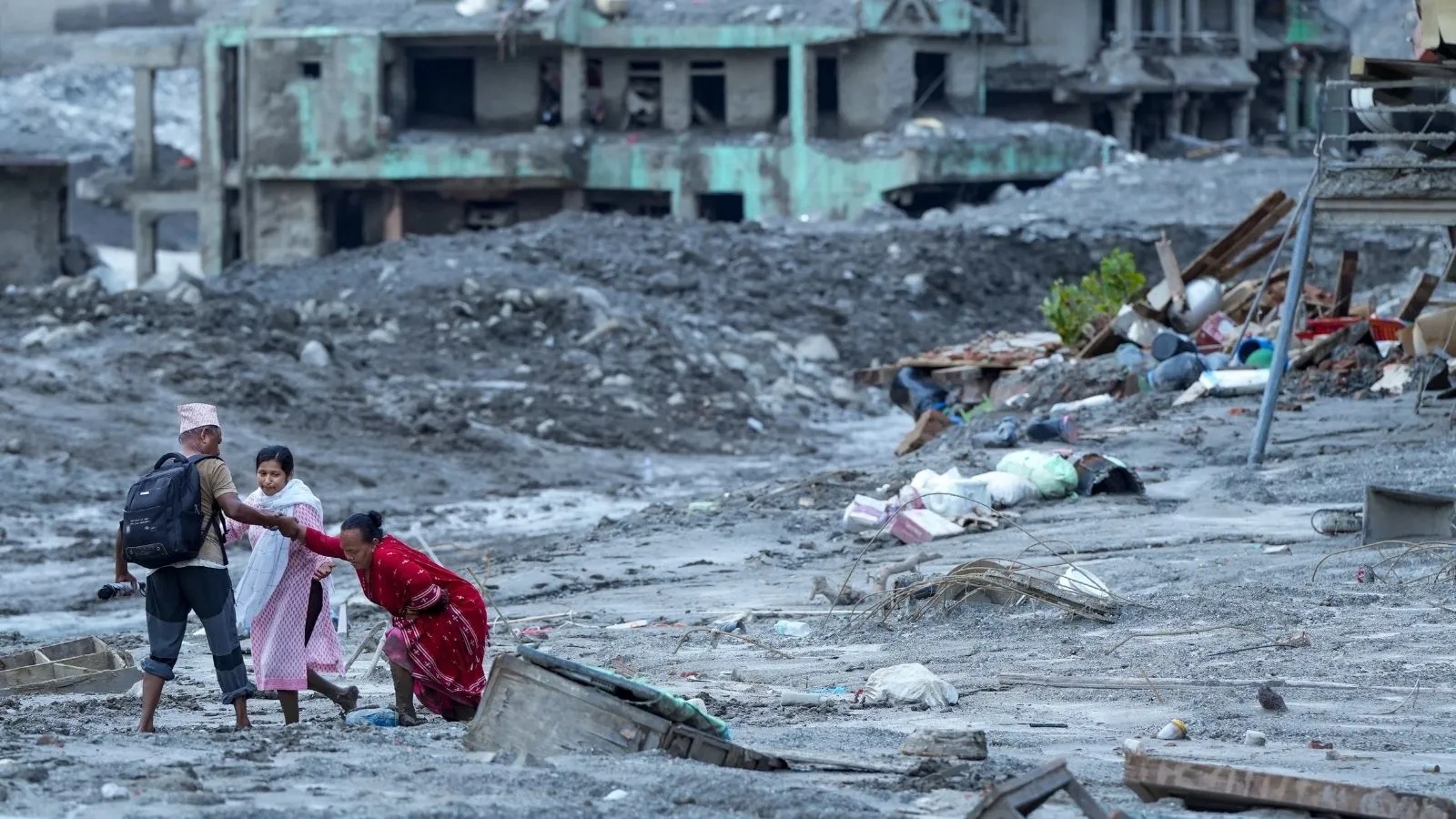
Floodwater can make drinking water and food unsafe.
It may carry sewage, animal waste, chemicals and germs.
This can cause diarrhoea, vomiting, stomach cramps, fever and dehydration.
Serious infections such as typhoid, cholera, dysentery and hepatitis A or E may spread.
Children, older adults and medically vulnerable people can lose fluids quickly.
People should drink safe water and avoid food touched by floodwater or kept without refrigeration.
They should wash their hands, keep raw and cooked food separate, and seek help for severe symptoms.
Stress after a flood may also cause IBS-like symptoms that need medical care and counselling.

Floodwater can contaminate drinking water and food with sewage, animal waste, chemicals and decaying material.
Common warning signs include diarrhoea, vomiting, abdominal cramps, fever and dehydration.
Contaminated food and water may spread typhoid, cholera, dysentery, and hepatitis A and E.
People should avoid untreated water and food exposed to floodwater or stored without proper refrigeration.
Repeated vomiting or diarrhoea, bloody stools, persistent fever, severe pain, low urine output, dizziness, weakness or confusion require medical attention.
- Who
- People living in areas affected by the Nepal-Tibet flash floods, especially children, older adults and medically vulnerable individuals.
- What
- Health experts warned that contaminated water and food could cause gastrointestinal infections, dehydration and other complications after flooding.
- When
- After the recent flash floods, including after floodwaters recede.
- Where
- Flood-affected areas of Nepal and Tibet.
- Why
- Floodwater can mix with sewage, animal waste, chemicals and decaying material, contaminating food, drinking-water sources and sanitation systems.
- Primary health concern
- Gastrointestinal infections caused by contaminated food and water.
- Possible symptoms
- Diarrhoea, vomiting, abdominal cramps, fever and dehydration.
- Potential infections
- Typhoid, cholera, dysentery, and hepatitis A and E.
- Highest-risk groups
- Young children, older adults and people who are medically vulnerable.
- Food precautions
- Avoid food exposed to floodwater, spoiled food and food stored improperly during power outages.
- Water precautions
- Do not drink untreated water, even if it looks clean.
- Emergency warning signs
- Blood in stool, persistent fever, severe abdominal pain, reduced urine output, dizziness, weakness or confusion.