

Archive · 27 Sep 2026
Former Indian Trade Negotiator Warns Against Full US FTA
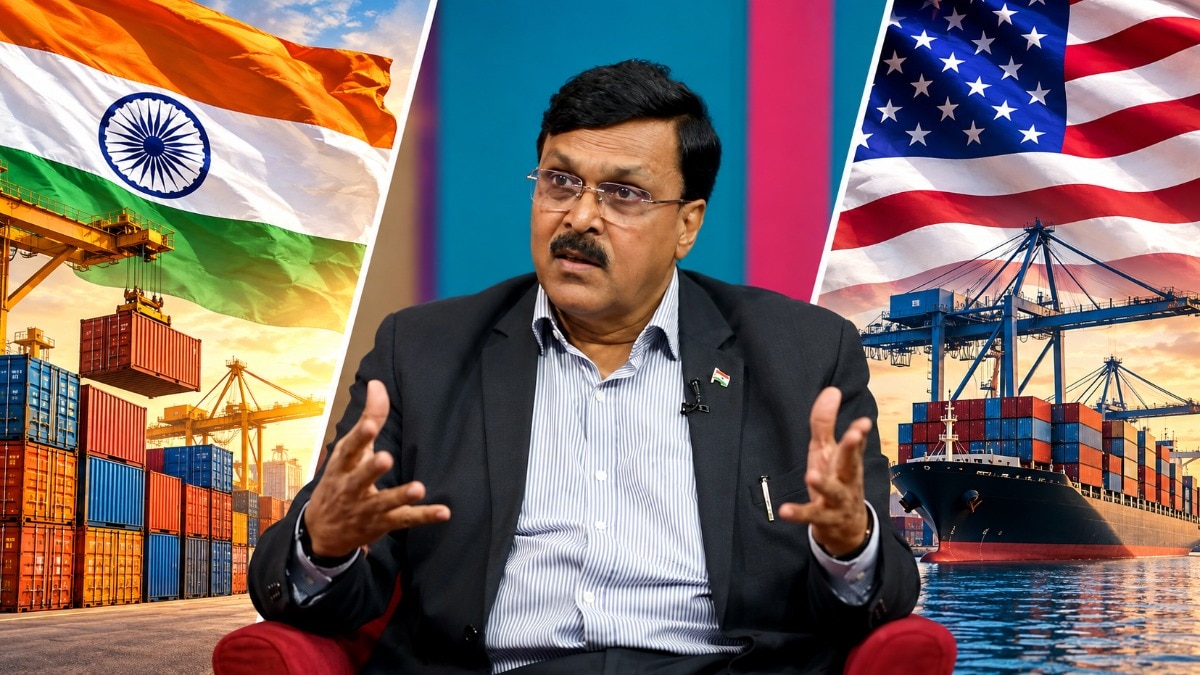
India and the United States are discussing a trade agreement.
A former Indian trade negotiator says a small agreement could be useful.
However, he does not support a large agreement covering every major area.
He worries that cheaper American farm products could hurt India’s small farmers.
He is also concerned that American poultry and dairy imports could damage Indian businesses.
The negotiator says stronger patent rules could make generic medicines more difficult to produce.
Generic medicines are often sold more cheaply than brand-name drugs.
He also says digital-trade rules could reduce India’s control over its data.
His main suggestion is for India to seek a limited deal instead of a full free-trade agreement.

A former Indian WTO negotiator says a limited US trade deal could help, but a full FTA may harm India.
He warned that tariff cuts on American soy, corn, dairy, poultry, and cotton could pressure Indian farmers.
Cheap US poultry and dairy imports could threaten major Indian industries, including poultry businesses in several states.
He said US intellectual-property rules could enable patent evergreening and restrict access to generic medicines.
He also warned that US digital-trade demands could limit India’s data-localisation policies.
- Who
- A former Indian secretary who served as India’s chief negotiator for the WTO, RCEP, and EU trade agreements from June 2017 to May 2020.
- What
- He warned that a full-fledged India-US FTA could harm Indian agriculture, industry, pharmaceuticals, dairy, and poultry, while supporting consideration of a limited trade deal.
- When
- While India and the United States are currently negotiating a trade deal; the article does not give a specific date.
- Where
- In the context of trade negotiations between India and the United States.
- Why
- Because he believes tariff reductions and US demands on intellectual property and digital trade could threaten Indian livelihoods, generic-drug production, and policy flexibility.
Limited-Deal Approach
Full-FTA Approach
Scope of the agreement
Limited-Deal Approach
The former negotiator supports a limited trade deal that avoids areas he considers especially risky, including agriculture and gold-standard rules.
Full-FTA Approach
The United States is seeking a comprehensive FTA that includes broader market access and gold-standard rules.
Agricultural market access
Limited-Deal Approach
India should protect farmers and domestic industries from potentially subsidized, low-cost US imports of products such as poultry, dairy, and cotton.
Full-FTA Approach
The US is seeking tariff reductions and market access for agricultural products, according to the former negotiator.
Intellectual property and data
Limited-Deal Approach
India should preserve its ability to produce generic medicines and maintain data-localisation policies for domestic development.
Full-FTA Approach
The former negotiator says the US wants stronger intellectual-property and digital-trade rules that could restrict those policy options.
- Current negotiations
- India and the United States are negotiating a trade deal.
- Former negotiator’s view
- A limited trade deal could help, but a full-fledged FTA may not be in India’s interest.
- Sensitive farm products
- The discussion includes soy, corn, dairy, poultry, and cotton.
- Farmer vulnerability
- The former secretary said 99% of Indian farmers are low-income, resource-poor, small farmers by international standards.
- Pharmaceutical concern
- He warned that patent evergreening could restrict India’s generic-drug industry.
- Digital-trade concern
- He said US digital-trade demands could limit India’s data-localisation policy.