Archive · 7 Sep 2026
US Denies Iran’s Claim of Vessel Strike Near Hormuz

Iran said it attacked an unmanned American vessel near the Strait of Hormuz.
The US military said this was completely false.
The disagreement happened during renewed fighting between the two countries.
The US had said it struck three Iranian oil tankers after missiles were fired at two US Navy ships.
Fighting has continued on and off since a ceasefire was announced in June.
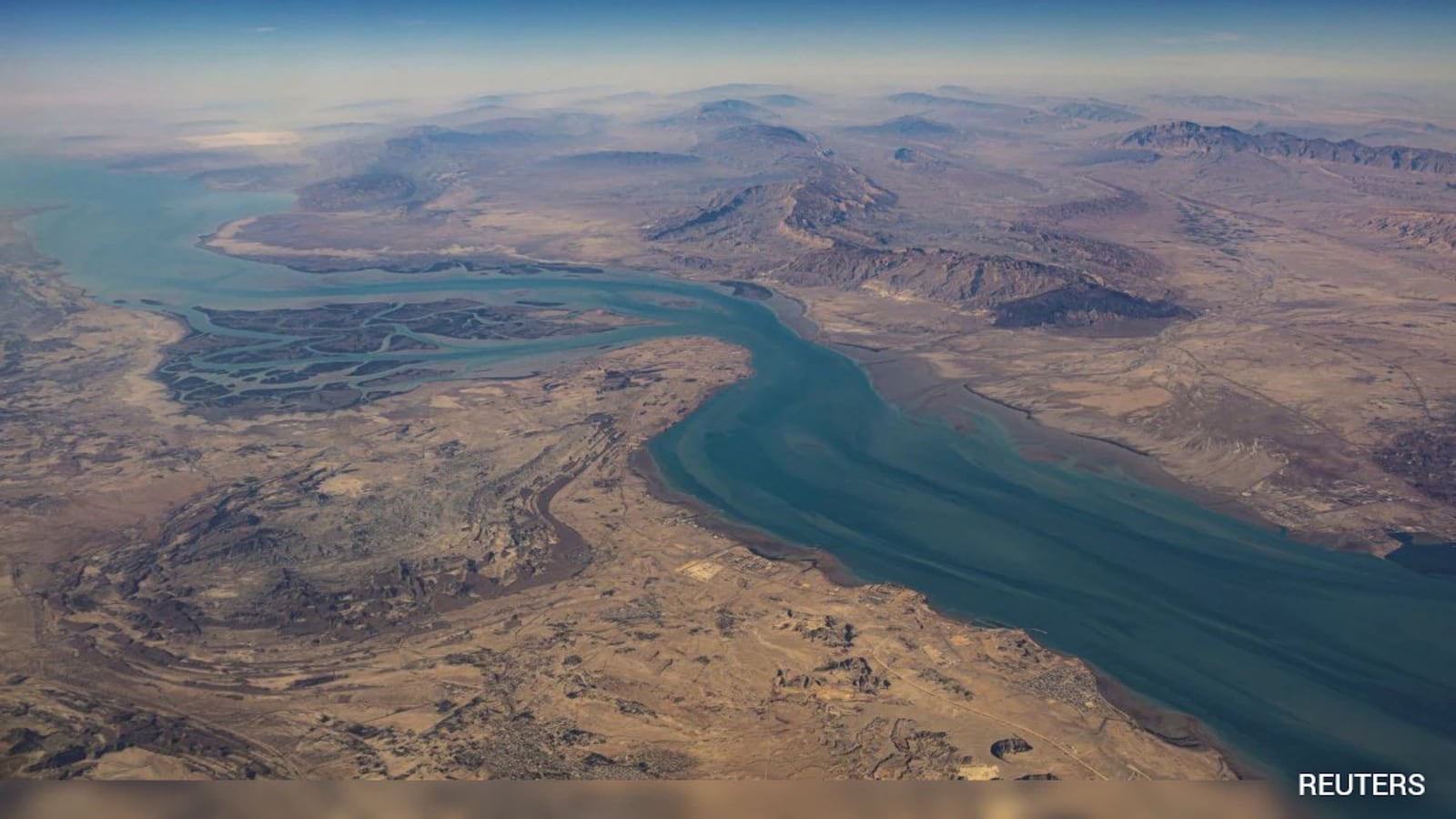
The Strait of Hormuz is important because large amounts of oil and natural gas travel through it.
Iran has continued selling oil despite sanctions and a US blockade.
The two countries were also negotiating about Iran’s nuclear program, but those talks broke down.
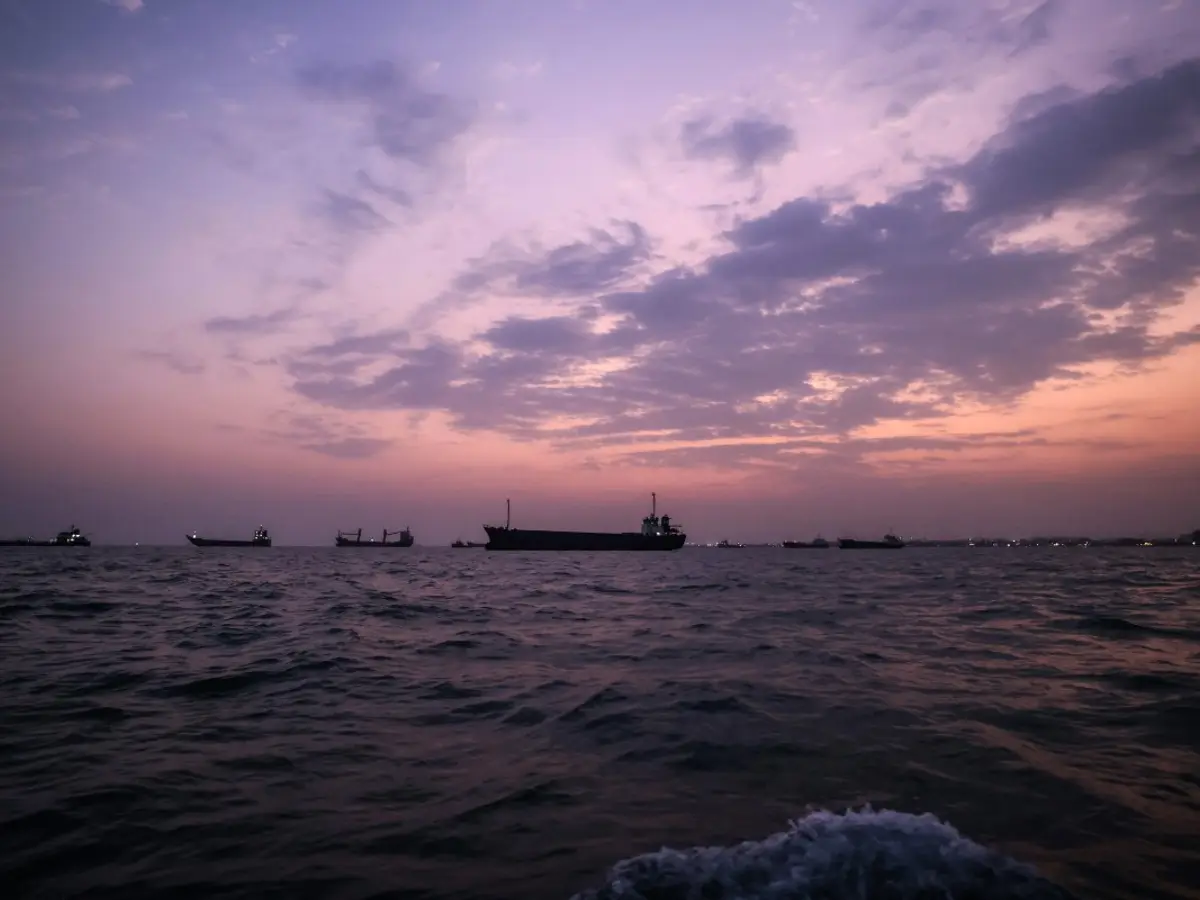
The latest claims increase concerns that either side could misunderstand the other’s actions at sea.

Iran said it struck an unmanned American vessel attempting to enter the Strait of Hormuz.
US Central Command spokesman Captain Tim Hawkins called the report from Iranian state media a “total lie.”
The claim followed a US announcement that it struck three Iranian oil tankers after missile attacks on two US Navy warships.
The United States and Iran resumed attacks last week after about a month of relative calm despite a June ceasefire agreement.
Nuclear negotiations have collapsed as the United States and European allies seek possible UN action over Iran’s nuclear obligations.
- Who
- Iran and the United States, including their military forces, are involved; Iran’s claim was reported by Iranian state media and rejected by US Central Command.
- What
- Iran claimed it struck an unmanned US vessel, while the US military denied the allegation as a “total lie.”
- When
- The claim was made on Sunday, one day after the US reported striking three Iranian oil tankers; attacks resumed the previous week after roughly a month of relative calm.
- Where
- The reported incident occurred near the Strait of Hormuz and along Iran’s southern coast.
- Why
- The incident occurred amid renewed military exchanges, disputes over shipping and oil, economic pressure on Iran, and stalled nuclear negotiations.
Iran’s Account
US Military’s Account
Whether an American vessel was attacked
Iran’s Account
Iran said it struck an unmanned US vessel attempting to enter the Strait of Hormuz.
US Military’s Account
US Central Command said the allegation, attributed to Iranian state media, was a “total lie.”
Responsibility for the latest escalation
Iran’s Account
Iran says it will not surrender to US pressure and has accused the United States and Israel of using economic pressure, media warfare and cognitive operations.
US Military’s Account
The United States says its strikes on Iranian oil tankers followed Iranian missile attacks on US Navy warships and has continued military and economic pressure on Tehran.
Control and security of shipping
Iran’s Account
Iran has warned vessels using routes it does not approve and has used the Strait of Hormuz as leverage while continuing to sell oil through a shadow fleet.
US Military’s Account
The United States has responded militarily around the strait, with the US Navy escorting and protecting vessels against possible Iranian attacks.
- Iranian claim
- Iran said it struck an unmanned US vessel trying to enter the Strait of Hormuz.
- US response
- Captain Tim Hawkins of US Central Command called the report a “total lie.”
- Reported US strikes
- The US military said it struck three Iranian oil tankers after Iranian forces fired ballistic missiles at two US Navy warships.
- Tankers named by Iranian media
- VELOS AMBER, BRAVO and AL SHEEHANIYA reportedly changed course after an IRGC Navy warning that the route was closed.
- Conflict timeline
- The war began with US and Israeli attacks on Iran on February 28; a ceasefire was announced in June, but fighting continued intermittently.
- Strategic waterway
- The Strait of Hormuz is crucial to international oil and natural-gas shipments and has become a key battleground.
- Nuclear diplomacy
- The United States, Britain, France and Germany reportedly seek to refer Iran to the UN Security Council over alleged failures to meet nuclear nonproliferation obligations.